














-
 bitcoin
 $83653.336055 USD
-0.69% - ethereum
$2526.767249 USD
-1.89% - tether
$0.998732 USD
-0.02% - bnb
$744.116997 USD
-1.46% - xrp
$1.373106 USD
-2.94% - usd-coin
$0.999930 USD
0.00% - solana
$108.107606 USD
-4.13% - tron
$0.329421 USD
-0.68% - hyperliquid
$82.951678 USD
-5.54% - zcash
$1213.361655 USD
-8.84% - dogecoin
$0.084704 USD
-3.29% - monero
$539.250772 USD
0.81% - chainlink
$13.033689 USD
-2.89% - cardano
$0.238848 USD
-5.73% - unus-sed-leo
$8.898688 USD
0.13%











Recommended regular digital asset trading platforms for currency trading
Consider factors such as security, liquidity, fees, and customer support when selecting a reliable digital asset trading platform for currency trading.
Oct 19, 2024 at 06:36 am
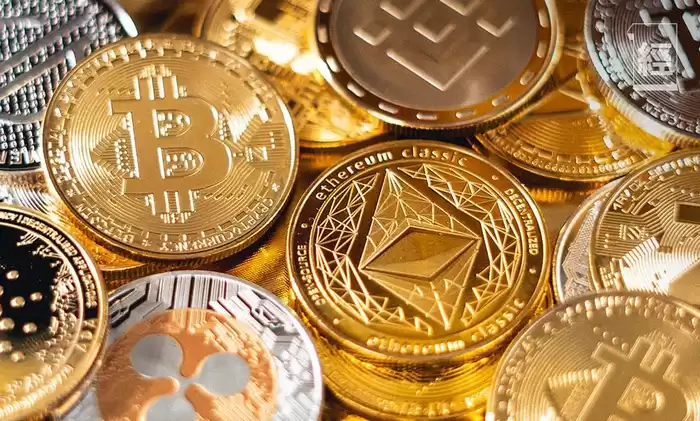
When looking for a reliable platform for currency trading, it's essential to consider factors such as security, liquidity, fees, and customer support. Here are some of the recommended regular digital asset trading platforms based on these criteria:
1. OKX- Security: Industry-leading security protocols, including multi-factor authentication, cold storage for 95% of assets, and real-time risk management.
- Liquidity: One of the largest digital asset exchanges globally, with high liquidity for popular currency pairs.
- Fees: Competitive trading fees, with discounts for high-volume traders.
- Customer Support: 24/7 customer support via multiple channels, including live chat and email.
- Security: Strong security measures, including anti-phishing systems, KYC verification, and two-factor authentication.
- Liquidity: High liquidity for a wide range of currency pairs, including less popular altcoins.
- Fees: Low trading fees, with additional discounts for BNB holders.
- Customer Support: Provides support through a knowledge base, FAQs, and a customer support team.
- Security: Regulated and licensed in multiple jurisdictions, ensuring compliance with industry standards.
- Liquidity: Good liquidity for major currency pairs, particularly for beginners and casual traders.
- Fees: Higher fees compared to other platforms, especially for small trades.
- Customer Support: Comprehensive support center with a wide range of resources and contact options.
- Security: Advanced security features, including multi-factor authentication, hardware-based cold storage, and an anti-money laundering program.
- Liquidity: Provides deep liquidity for a diverse range of currency pairs.
- Fees: Competitive trading fees, with discounts for higher trading volumes.
- Customer Support: Responsive customer support via email, live chat, and social media channels.
- Security: Regulated by the NYDFS and has strong cybersecurity measures, including two-factor authentication, whitelisting, and offline storage.
- Liquidity: Good liquidity for major currency pairs, but may be lower for some altcoins.
- Fees: Relatively high trading fees, but offers bulk discounts.
- Customer Support: Provides excellent customer support via phone, email, live chat, and an extensive knowledge base.
Disclaimer:info@kdj.com
The information provided is not trading advice. kdj.com does not assume any responsibility for any investments made based on the information provided in this article. Cryptocurrencies are highly volatile and it is highly recommended that you invest with caution after thorough research!
If you believe that the content used on this website infringes your copyright, please contact us immediately (info@kdj.com) and we will delete it promptly.






- UK Court Ruling Sends Ripples: Who Owns the Gains on Stolen BTC?
- 2026-10-13 12:50:01
- Standard Chartered Taps XRP Ledger for RLUSD Custody, Signaling Institutional Embrace
- 2026-10-13 12:35:01
- Securitize Stock Soars on StoneX Target Hike and Innovative Platform Launch
- 2026-10-13 08:45:01
- Bitcoin, CPI Week, and Pepeto: Navigating Market Volatility for Potential Gains
- 2026-10-13 04:55:02
- Kaspa Founder, Kaspa Community, Growing Criticism: The Silent Scientist vs. The Roaring Crowd
- 2026-10-13 04:55:02
- Uniswap's Unichain Embraces OP Enterprise for a Supercharged Future in Interoperability
- 2026-10-13 05:00:01
Related knowledge

How to Place a Bitget Conditional Order When Bitcoin Reaches a Key Support Level?
Oct 13,2026 at 01:00pm
Bitcoin Halving Mechanics1. Bitcoin’s protocol enforces a fixed issuance schedule where block rewards are cut in half approximately every 210,000 bloc...

How to Use Bitget Copy Trading to Set a Maximum Loss Limit for Each Trader?
Oct 11,2026 at 02:40pm
Bitcoin Halving Mechanics1. Bitcoin’s protocol enforces a fixed issuance schedule where block rewards are cut in half approximately every 210,000 bloc...

How to Transfer USDT From Bitget Spot to Futures to Prepare for Trading?
Oct 03,2026 at 01:00am
Understanding Bitget Account Structure1. Bitget separates user assets into distinct wallets: Spot Wallet, Futures Wallet, and Funding Wallet. 2. The S...

How to Check the Liquidation Price of a Bitget USDT-M Futures Contract?
Oct 11,2026 at 06:00pm
Understanding Liquidation Price Mechanics1. Liquidation price is the market price at which a leveraged position on Bitget’s USDT-M futures platform is...

How to Set a Bitget Futures Take-Profit Order Before Opening a Leveraged Position?
Oct 05,2026 at 07:19am
Accessing the Futures Trading Interface1. Log in to your Bitget account via the official web platform or mobile application. 2. Navigate to the Deriva...

How to Use Bitget Spot Grid Trading to Buy and Sell Within a Defined Price Range?
Oct 02,2026 at 03:19am
Understanding Spot Grid Trading Mechanics1. Spot grid trading operates by placing a series of limit buy and sell orders at predefined price intervals ...
How to Place a Bitget Conditional Order When Bitcoin Reaches a Key Support Level?
Oct 13,2026 at 01:00pm
Bitcoin Halving Mechanics1. Bitcoin’s protocol enforces a fixed issuance schedule where block rewards are cut in half approximately every 210,000 bloc...
How to Use Bitget Copy Trading to Set a Maximum Loss Limit for Each Trader?
Oct 11,2026 at 02:40pm
Bitcoin Halving Mechanics1. Bitcoin’s protocol enforces a fixed issuance schedule where block rewards are cut in half approximately every 210,000 bloc...
How to Transfer USDT From Bitget Spot to Futures to Prepare for Trading?
Oct 03,2026 at 01:00am
Understanding Bitget Account Structure1. Bitget separates user assets into distinct wallets: Spot Wallet, Futures Wallet, and Funding Wallet. 2. The S...
How to Check the Liquidation Price of a Bitget USDT-M Futures Contract?
Oct 11,2026 at 06:00pm
Understanding Liquidation Price Mechanics1. Liquidation price is the market price at which a leveraged position on Bitget’s USDT-M futures platform is...
How to Set a Bitget Futures Take-Profit Order Before Opening a Leveraged Position?
Oct 05,2026 at 07:19am
Accessing the Futures Trading Interface1. Log in to your Bitget account via the official web platform or mobile application. 2. Navigate to the Deriva...
How to Use Bitget Spot Grid Trading to Buy and Sell Within a Defined Price Range?
Oct 02,2026 at 03:19am
Understanding Spot Grid Trading Mechanics1. Spot grid trading operates by placing a series of limit buy and sell orders at predefined price intervals ...
See all articles


