A new report has shown the wide adoption of digital currencies in Nigeria despite efforts by the authorities to discourage the use of crypto.
The Central Bank of Nigeria (CBN) has yet to lift the ban of crypto transactions through the banking system in the country after almost five years.
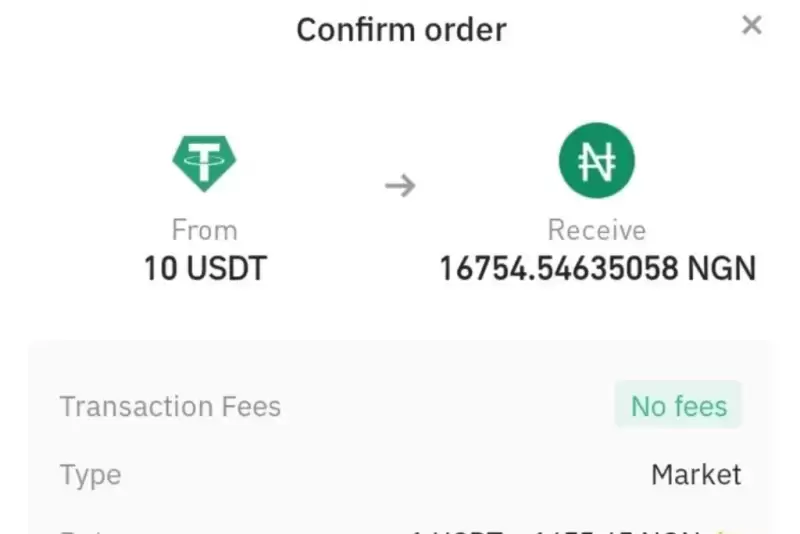
In a report made available to Business Post by a venture capital firm, Hashed Emergent, it was stated that the USDT/Naira stablecoin pair has become the most traded on centralized exchanges, with stablecoin transfers in Nigeria nearing $3 billion in the first quarter of 2024, signalling the practical adoption of blockchain for real-world challenges like inflation and cross-border payments.
Last year, Nigeria ranked second globally for crypto adoption, according to Chainalysis, with $59 billion in crypto value received—$24 billion of that in stablecoins.
Stablecoin trading has overtaken Bitcoin trading on centralized exchanges, reflecting changing behaviour: for many, crypto is not speculative—it’s practical; it is how people hedge against inflation, send money, and make real-world payments.
According to the report, national agencies and multiple state governments are already implementing blockchain-based solutions across areas like identity verification, land registries, education records, and healthcare systems.
These aren’t pilots; they’re operational systems designed to improve transparency, efficiency, and trust in public services.
However, integration into existing public infrastructure is a key challenge. Many legacy systems lack the technical readiness or interoperability needed for seamless adoption, and institutional capacity gaps—such as limited digital skills and fragmented procurement processes—are slowing implementation.
Without addressing these bottlenecks, the long-term impact of public sector blockchain adoption may be limited despite early momentum.









![(A1-A2) Jail Escape & Sister Rescue 💣 쉬운 영어 입력 | 로스트 인 플레이 #6 [최종]](/uploads/2026/10/21/cryptocurrencies-news/videos/origin_6ad85799dab32_image_500_375.webp "(A1-A2) Jail Escape & Sister Rescue 💣 쉬운 영어 입력 | 로스트 인 플레이 #6 [최종]")