





![Schwarzer Donnerstag! Der Halbleiterindex fiel um fast 7 %, Bitcoin fiel einmal unter 81.000 und Spot-ETFs verzeichneten einen Nettoabfluss von 635 Millionen US-Dollar [Vic TALK Issue 1830]](/uploads/2026/10/23/cryptocurrencies-news/videos/origin_6adb210210914_image_500_375.webp "Schwarzer Donnerstag! Der Halbleiterindex fiel um fast 7 %, Bitcoin fiel einmal unter 81.000 und Spot-ETFs verzeichneten einen Nettoabfluss von 635 Millionen US-Dollar [Vic TALK Issue 1830]")






 |
|
 |
|
 |
|
 |
|
 |
|
 |
|
 |
|
 |
|
 |
|
 |
|
 |
|
 |
|
 |
|
 |
|
 |
|
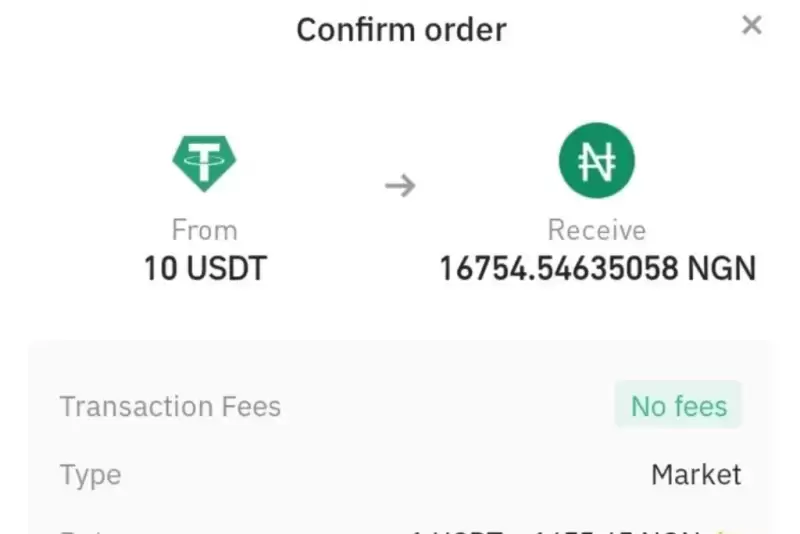
A new report has shown the wide adoption of digital currencies in Nigeria despite efforts by the authorities to discourage the use of crypto.
The Central Bank of Nigeria (CBN) has yet to lift the ban of crypto transactions through the banking system in the country after almost five years.
In a report made available to Business Post by a venture capital firm, Hashed Emergent, it was stated that the USDT/Naira stablecoin pair has become the most traded on centralized exchanges, with stablecoin transfers in Nigeria nearing $3 billion in the first quarter of 2024, signalling the practical adoption of blockchain for real-world challenges like inflation and cross-border payments.
Last year, Nigeria ranked second globally for crypto adoption, according to Chainalysis, with $59 billion in crypto value received—$24 billion of that in stablecoins.
Stablecoin trading has overtaken Bitcoin trading on centralized exchanges, reflecting changing behaviour: for many, crypto is not speculative—it’s practical; it is how people hedge against inflation, send money, and make real-world payments.
According to the report, national agencies and multiple state governments are already implementing blockchain-based solutions across areas like identity verification, land registries, education records, and healthcare systems.
These aren’t pilots; they’re operational systems designed to improve transparency, efficiency, and trust in public services.
However, integration into existing public infrastructure is a key challenge. Many legacy systems lack the technical readiness or interoperability needed for seamless adoption, and institutional capacity gaps—such as limited digital skills and fragmented procurement processes—are slowing implementation.
Without addressing these bottlenecks, the long-term impact of public sector blockchain adoption may be limited despite early momentum.
Haftungsausschluss:info@kdj.com
Die bereitgestellten Informationen stellen keine Handelsberatung dar. kdj.com übernimmt keine Verantwortung für Investitionen, die auf der Grundlage der in diesem Artikel bereitgestellten Informationen getätigt werden. Kryptowährungen sind sehr volatil und es wird dringend empfohlen, nach gründlicher Recherche mit Vorsicht zu investieren!
Wenn Sie glauben, dass der auf dieser Website verwendete Inhalt Ihr Urheberrecht verletzt, kontaktieren Sie uns bitte umgehend (info@kdj.com) und wir werden ihn umgehend löschen.
-

- Coinbase stoppt GYEN-Transfers und ebnet den Weg für die USDC-Konvertierung inmitten von Stablecoin-Verschiebungen
- Oct 24, 2026 at 07:55 am
- Coinbase beendet die Unterstützung für GYEN und wandelt verbleibende Guthaben in USDC um. Dieser Schritt verdeutlicht die umfassenderen Veränderungen des Stablecoin-Ökosystems.
-
- Tether-Untersuchung, Stablecoin-Gesetzgebung und Unterausschuss des Senats: Ein Showdown in New York
- Oct 24, 2026 at 07:55 am
- Der Senator von Connecticut, Richard Blumenthal, intensiviert eine Untersuchung des Senats zu den mutmaßlichen Lobbyaktivitäten von Tether und konzentriert sich dabei auf seine Verbindungen zu einer Marketingfirma und den möglichen Einfluss auf die Stablecoin-Gesetzgebung.
-
- Kaspas Netzwerkdaten übertreffen Preisprobleme: Eine Analyse von Krypto-Assets
- Oct 24, 2026 at 04:05 am
- Trotz Marktunruhen zeigt die Netzwerkaktivität von Kaspa, gemessen am Transaktionsvolumen, eine bemerkenswerte Widerstandsfähigkeit, was zu einem tieferen Blick auf die Grundlagen seiner Krypto-Assets führt.
-
- Ripple Swell 2026 beleuchtet die Einführung von BlackRock Digital Assets und IWF-Stablecoins
- Oct 24, 2026 at 12:05 am
- Ripple Swell 2026 versammelt führende Finanzexperten, um über Strategien für digitale Vermögenswerte und die Einführung von Stablecoins zu diskutieren. Dabei treten wichtige Redner von BlackRock und dem IWF auf und läuten eine neue Ära für das institutionelle Engagement im Kryptobereich ein.
-
- Behauptungen über Hackerangriffe an der indischen Börse: CoinDCX bestreitet verdächtige Abflüsse in Höhe von 16 Millionen US-Dollar im Rahmen einer On-Chain-Prüfung
- Oct 23, 2026 at 08:05 pm
- Indiens größte Krypto-Börse, CoinDCX, ist in Kontroversen verwickelt, da Blockchain-Ermittler verdächtige Abflüsse in Höhe von 16 Millionen US-Dollar melden, was eine hitzige Debatte über einen möglichen indischen Börsen-Hack und frühere Verstöße auslöst.
-
- Bitcoin steht vor makroökonomischem Gegenwind, da der Brent-Rohölpreis stabil über 100 US-Dollar bleibt und Öl- und Bitcoin-bezogene Dynamiken auf dem Prüfstand stehen
- Oct 23, 2026 at 04:09 pm
- Der Aufwärtsdynamik von Bitcoin steht ein anhaltender Gegenwind gegenüber, da Brent-Rohöl über 100 US-Dollar bleibt, was auf makroökonomische Spannungen hindeutet.
-
- HSBC RedCoin befeuert Hongkongs digitale Zahlungen: Eine neue Ära für HKD-Stablecoins?
- Oct 23, 2026 at 04:05 pm
- HSBC RedCoin ist jetzt auf PayMe verfügbar und bietet Stablecoin-Zahlungen in Hongkong-Dollar an Millionen von Menschen an, was einen entscheidenden Moment für die digitale Finanzierung in der Region darstellt.
-
- KI-Krypto-Hacking: Mehr Hype als Schaden?
- Oct 23, 2026 at 12:05 pm
- Binance-Mitbegründer CZ argumentiert, dass die Befürchtungen vor KI-gesteuertem Krypto-Hacking übertrieben seien, und behauptet, dass die traditionelle Bank- und Internet-Infrastruktur mit vergleichbaren, wenn nicht sogar größeren kryptografischen Schwachstellen konfrontiert sei.
-
- Südkoreas Krypto-Gesetz schreitet voran, Bybit sichert sich Dubai-Lizenz und Bitcoin-ETF-Zuflüsse erreichen neue Höchststände
- Oct 23, 2026 at 11:55 am
- Südkoreas Krypto-Gesetz schreitet voran, Bybit erhält eine Dubai-Lizenz und Bitcoin-ETFs verzeichnen massive Zuflüsse, was auf große Veränderungen in der Krypto-Landschaft hindeutet.


