





















-
 bitcoin
 $69369.102839 USD
8.18% - ethereum
$2241.870186 USD
17.66% - tether
$0.999259 USD
0.01% - bnb
$624.777506 USD
3.98% - usd-coin
$0.999884 USD
0.00% - xrp
$1.102378 USD
10.39% - solana
$84.754724 USD
10.60% - tron
$0.333199 USD
0.13% - hyperliquid
$71.371953 USD
22.89% - dogecoin
$0.074650 USD
6.88% - zcash
$551.990706 USD
10.06% - unus-sed-leo
$9.347923 USD
1.29% - chainlink
$10.459641 USD
9.27% - monero
$412.103053 USD
0.02% - cardano
$0.183081 USD
4.68%











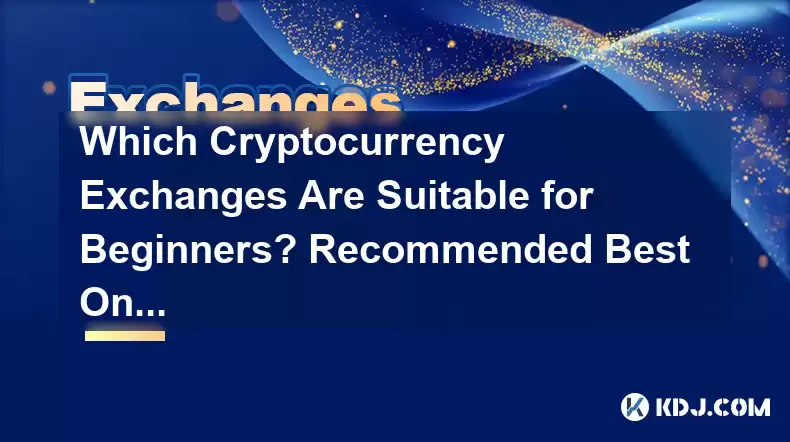
Which Cryptocurrency Exchanges Are Suitable for Beginners? Recommended Best Onboarding Platforms in 2025
Gate.io, with its user-friendly interface and robust security (cold wallet storage, 2FA), is a top choice for beginner cryptocurrency traders seeking a secure and easy-to-navigate platform.
Mar 19, 2025 at 05:04 pm
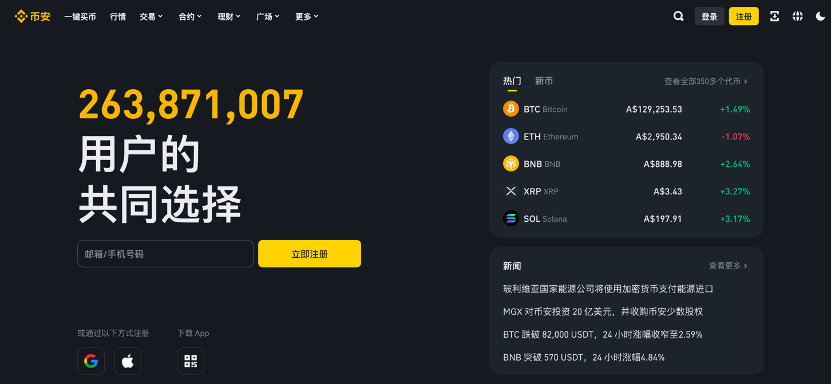
Security: This should be the top priority. Look for exchanges that use cold wallet storage, multi - factor authentication, and have a good track record of security. For example, exchanges like Gate.io, Kraken, and Bitget all have comprehensive security measures in place.
User Interface and Ease of Use: A simple and intuitive interface is essential. Platforms such as Coinbase, KuCoin, and Gate.io are known for their user - friendly interfaces that make it easy for beginners to navigate and perform transactions.
Available Cryptocurrencies: Decide which coins you are interested in trading. If you want to start with mainstream coins like Bitcoin and Ethereum, most exchanges will meet your needs. However, if you are interested in exploring more diverse coins, exchanges like KuCoin, which support a large number of cryptocurrencies, may be a better choice.
Trading Fees: Different exchanges have different fee structures. Some exchanges offer fee discounts under certain conditions, like Binance's fee discount when using BNB. Compare the trading fees of different exchanges to ensure you are getting the best deal.
Educational Resources: For beginners, educational resources can be extremely helpful. Exchanges like Coinbase provide a wealth of introductory guides and FAQs, which can help new users quickly understand the basics of cryptocurrency trading.
Registration: Visit the official website of the chosen exchange. On the homepage, usually, there will be a "Register" or "Sign Up" button. Click on it and fill in the required information, which typically includes an email address, a strong password, and sometimes phone number verification.
Identity Verification: Most exchanges require identity verification to comply with anti - money laundering (AML) and know - your - customer (KYC) regulations. This usually involves uploading a photo of your ID (such as a passport or driver's license) and sometimes a selfie for facial recognition. The verification process may take a few hours to a few days, depending on the exchange.
Funding Your Account: After successful verification, you need to deposit funds into your exchange account. Exchanges support various funding methods, such as bank transfer, credit/debit card, and cryptocurrency transfer. For example, if you want to deposit Bitcoin, you need to get the Bitcoin wallet address from the exchange and send the Bitcoin from your external wallet to this address.
Placing Your First Trade: Once your account is funded, you can start trading. Navigate to the trading section of the exchange. Find the cryptocurrency you want to trade, enter the amount you want to buy or sell, and choose the type of order (such as market order or limit order). A market order will execute immediately at the current market price, while a limit order allows you to set a specific price at which you want the order to be executed.
Disclaimer:info@kdj.com
The information provided is not trading advice. kdj.com does not assume any responsibility for any investments made based on the information provided in this article. Cryptocurrencies are highly volatile and it is highly recommended that you invest with caution after thorough research!
If you believe that the content used on this website infringes your copyright, please contact us immediately (info@kdj.com) and we will delete it promptly.




- Bitcoin, eCash Fork, and Airdrop Dynamics: A Deep Dive into Crypto's Latest Controversies
- 2026-05-03 12:55:01
- Consensus 2026 Miami: Web3, Blockchain, Cryptocurrency, NFTs, Metaverse, Conference, May 5th — Where Wall Street Meets the Digital Frontier
- 2026-05-02 12:45:01
- Fed Holds Rates Steady, Triggering Bitcoin Price Drop Amidst Geopolitical Tensions
- 2026-05-01 06:45:01
- Bitcoin Miners Electrify the Grid: Ohio Gas Plant Acquisition Powers Up a New Era for Digital Gold
- 2026-05-01 00:45:01
- MegaETH's MEGA Token Hits the Big Apple: Setting New Performance Benchmarks for Real-Time Blockchain
- 2026-05-01 00:55:01
- Solana's Slippery Slope: Price Prediction Points to Resistance Loss and Potential Further Drops
- 2026-05-01 06:45:01
Related knowledge
How to Manage Copy Trading Risk on Bybit? Complete BTC and ETH Copy Trading Guide
Aug 20,2026 at 03:39pm
Understanding Copy Trading Mechanics on Bybit1. Copy trading on Bybit operates through the Unified Trading Account, where follower balances are automa...
How to Start Futures Copy Trading on Binance? Complete Beginner Setup Guide
Aug 18,2026 at 08:19pm
Understanding Futures Copy Trading Mechanics1. Futures copy trading allows users to automatically replicate the open positions and trade executions of...
How to Run a SOL Grid Bot on Binance? Complete Solana Grid Trading Guide
Aug 20,2026 at 10:20am
Understanding SOL Grid Trading Mechanics1. Grid trading on Binance for SOL/USDT relies on predefined price bands where buy and sell orders are placed ...
How to Place a Limit Order for XRP on OKX? Step-by-Step Spot Trading Guide
Aug 20,2026 at 01:00am
API Key Configuration and Security Setup1. Log into your OKX account and navigate to the API management section under Account Settings. 2. Click “Crea...
How to Set a Stop Loss for XRP on MEXC? Complete XRP Futures Risk Guide
Aug 20,2026 at 03:39am
Understanding Stop Loss Mechanics on MEXC1. MEXC supports both traditional stop-market and stop-limit orders for XRP perpetual futures contracts. 2. W...
How to Short SOL on Bybit? Complete Solana Short Trading Tutorial
Aug 21,2026 at 03:20am
Bitcoin Halving Mechanics1. Bitcoin’s protocol enforces a fixed issuance schedule where block rewards are cut in half approximately every 210,000 bloc...
How to Manage Copy Trading Risk on Bybit? Complete BTC and ETH Copy Trading Guide
Aug 20,2026 at 03:39pm
Understanding Copy Trading Mechanics on Bybit1. Copy trading on Bybit operates through the Unified Trading Account, where follower balances are automa...
How to Start Futures Copy Trading on Binance? Complete Beginner Setup Guide
Aug 18,2026 at 08:19pm
Understanding Futures Copy Trading Mechanics1. Futures copy trading allows users to automatically replicate the open positions and trade executions of...
How to Run a SOL Grid Bot on Binance? Complete Solana Grid Trading Guide
Aug 20,2026 at 10:20am
Understanding SOL Grid Trading Mechanics1. Grid trading on Binance for SOL/USDT relies on predefined price bands where buy and sell orders are placed ...
How to Place a Limit Order for XRP on OKX? Step-by-Step Spot Trading Guide
Aug 20,2026 at 01:00am
API Key Configuration and Security Setup1. Log into your OKX account and navigate to the API management section under Account Settings. 2. Click “Crea...
How to Set a Stop Loss for XRP on MEXC? Complete XRP Futures Risk Guide
Aug 20,2026 at 03:39am
Understanding Stop Loss Mechanics on MEXC1. MEXC supports both traditional stop-market and stop-limit orders for XRP perpetual futures contracts. 2. W...
How to Short SOL on Bybit? Complete Solana Short Trading Tutorial
Aug 21,2026 at 03:20am
Bitcoin Halving Mechanics1. Bitcoin’s protocol enforces a fixed issuance schedule where block rewards are cut in half approximately every 210,000 bloc...
See all articles


