


![クッパーズ城:Yrax 100%(1コイン)(モバイル)ジオメトリダッシュ[2.2]](/uploads/2025/04/30/cryptocurrencies-news/videos/bowsers-castle-yrax-coin-mobile-geometry-dash/image-1.webp "クッパーズ城:Yrax 100%(1コイン)(モバイル)ジオメトリダッシュ[2.2]")








 |
|
 |
|
 |
|
 |
|
 |
|
 |
|
 |
|
 |
|
 |
|
 |
|
 |
|
 |
|
 |
|
 |
|
 |
|
ロシアのセルゲイ・ラヴロフ外相は、米ドルやその他の西側通貨の代わりにBRICSメンバーの間で国内通貨の使用の増加を強調しています
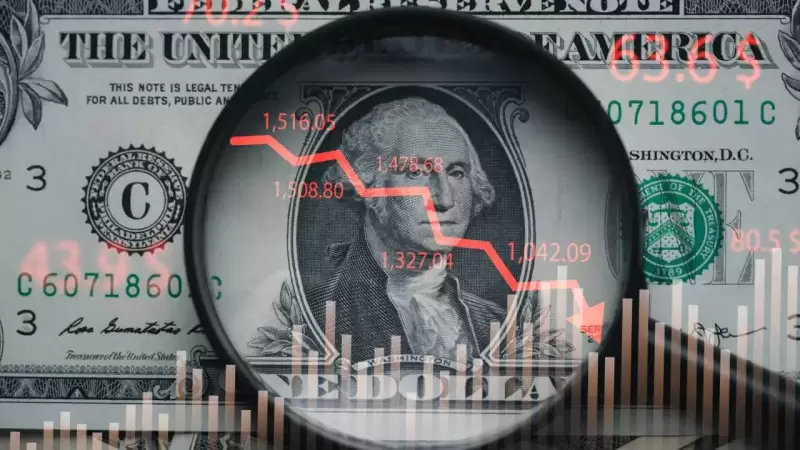
The BRICS nations are surging ahead with unstoppable momentum, rapidly abandoning the U.S. dollar, building resilient payment systems, and forging a historic new economic frontier beyond Western control.
BRICS諸国は、止められない勢いで前進し、米ドルを急速に放棄し、回復力のある支払いシステムを構築し、西洋の制御を超えて歴史的な新しい経済的フロンティアを築きます。
As the BRICS countries rapidly reduce their use of the U.S. dollar and other Western currencies in mutual transactions, deploying national currencies instead, the possibility of a single BRICS currency has been raised.
BRICS諸国は、相互取引で米ドルやその他の西側通貨の使用を急速に削減し、代わりに全国通貨を展開するため、単一のBRICS通貨の可能性が引き上げられました。
In an April 28 interview with Brazilian newspaper O Globo, Russian Foreign Minister Sergey Lavrov highlighted the growing use of national currencies among BRICS members in place of the U.S. dollar and other Western currencies, and discussed the future potential for a common currency.
ブラジルの新聞O Globoとの4月28日のインタビューで、ロシアのセルゲイ・ラヴロフ外相は、米ドルやその他の西側通貨の代わりにBRICSメンバーの間で国内通貨の使用の増加を強調し、共通の通貨の将来の可能性について議論しました。
Lavrov said that BRICS countries are focused on developing new cross-border payment and settlement infrastructure, aiming to expand the use of national currencies and create more autonomous systems free from external political pressures.
Lavrov氏は、BRICS諸国は、国境を越えた新しい支払いと和解インフラストラクチャの開発に焦点を当てており、国内通貨の使用を拡大し、外部の政治的圧力からより多くの自律システムを作成することを目指していると述べました。
“We have been working within BRICS to ensure that there are no disruptions when carrying out payments and have been quite effective in our efforts,” he said.
「私たちは、支払いを実行する際に混乱がなく、私たちの努力に非常に効果的であることを保証するためにBRICS内で働いてきました」と彼は言いました。
The Russian official pointed to a significant shift in Russia’s transactions within the bloc, adding that “the rouble and currencies of our friendly countries accounted for 90% of Russia’s settlements with BRICS countries in 2024.”
ロシアの当局者は、ブロック内のロシアの取引に大きな変化を示し、「私たちの友好国のルーブルと通貨は、2024年にロシアの和解の90%を占めた」と付け加えた。
He went on to say that “no one wants to suffer from sanctions, considering that the West has been imposing them on undesirable countries by exploiting its monopoly on financial markets. Using reserve currencies as a competitive tool is unacceptable. Payment transactions can be blocked for political reasons, even when dealing with supplying socially important goods.”
彼は続けて、「西側が金融市場への独占を活用することで望ましくない国にそれらを課していることを考えると、誰も制裁に苦しむことを望んでいません。競争ツールとして準備通貨を使用することは受け入れられません。支払い取引は、政治的理由で、社会的に重要な商品を供給してもブロックすることができます。」
Against this background, Lavrov said that the lack of trust toward the West-led international financial institutions is driving nations of the Global South and East toward dedollarization, which is one of the defining economic movements of the present time.
この背景に対して、ラヴロフは、西に主導する国際金融機関に対する信頼の欠如が、現在の最終的な経済運動の1つである世界南部と東の国家をdedollarizationに向けて駆り立てていると述べました。
On the future potential for a common currency, Lavrov said that conditions must first become favorable.
共通通貨の将来の可能性について、Lavrovは、条件が最初に有利にならなければならないと述べた。
“It would be premature to discuss a transition to a single currency for BRICS,” the Russian official stated.
「BRICSの単一通貨への移行について議論するのは時期尚早だ」とロシアの当局者は述べた。
“We can come back to the question about a common currency or a single payment unit for BRICS once the necessary financial and economic conditions are in place.”
「必要な財政的および経済的条件が整ったら、共通通貨またはBRICSの単一の支払いユニットに関する質問に戻ることができます。」
Kremlin spokesman Dmitry Peskov said in January that BRICS at present is concentrating on establishing investment platforms in third countries, rather than pursuing monetary union.
クレムリンのスポークスマン、ドミトリー・ペスコフは1月に、現在のBRICSは通貨連合を追求するのではなく、第三国に投資プラットフォームを設立することに集中していると述べた。
Peskov’s comments responded to U.S. President Donald Trump’s warnings of tariffs on BRICS nations if they were to abandon the U.S. dollar.
ペスコフのコメントは、米ドルを放棄する場合、米国大統領ドナルドトランプ大統領のBRICS諸国に対する関税に関する警告に応答しました。
免責事項:info@kdj.com
提供される情報は取引に関するアドバイスではありません。 kdj.com は、この記事で提供される情報に基づいて行われた投資に対して一切の責任を負いません。暗号通貨は変動性が高いため、十分な調査を行った上で慎重に投資することを強くお勧めします。
このウェブサイトで使用されているコンテンツが著作権を侵害していると思われる場合は、直ちに当社 (info@kdj.com) までご連絡ください。速やかに削除させていただきます。