















 |
|
 |
|
 |
|
 |
|
 |
|
 |
|
 |
|
 |
|
 |
|
 |
|
 |
|
 |
|
 |
|
 |
|
 |
|
Nachrichtenartikel zu Kryptowährungen
Ray Dalio Warns of a Shifting Global Order Amid Trade and Debt Imbalances
Apr 29, 2025 at 06:52 pm
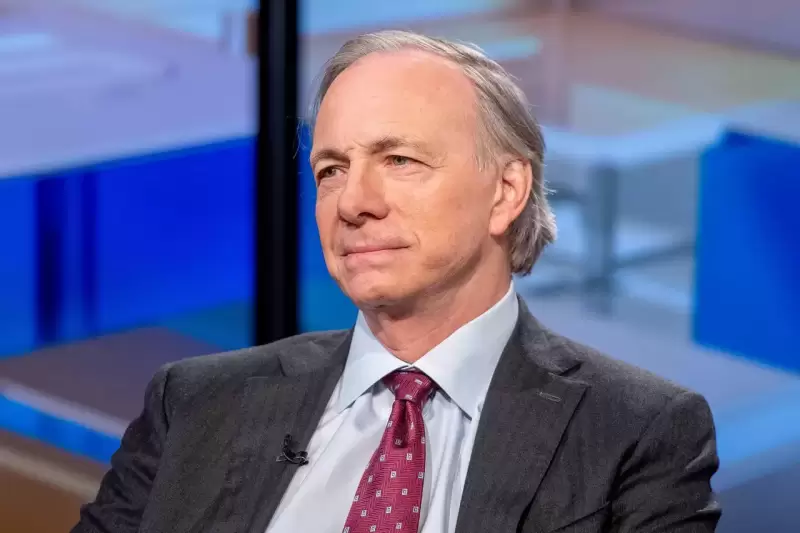
Ray Dalio, the billionaire founder of investment firm Bridgewater Associates, has issued a stark warning about a coming "big change in the world order."
In a recent post on LinkedIn, Dalio highlighted several key imbalances and trends that he believes are converging to drive a major realignment in the global economic and political landscape.
These shifts, ranging from unsustainable trade and capital imbalances to rising deglobalization and deteriorating relations between major powers, will have profound implications for investors, policymakers, and citizens around the world.
What Is Happening to The Global Economic Order?
Many exporters and importers are cutting back on their U.S. ties. They realize that the tariff disputes and broader tensions are unlikely to fully resolve.
Also, both U.S. and Chinese companies and investors, and those who rely on their trade relations, are making other plans to reduce interdependence.
This trend, which began with U.S.-China relations, is now affecting other global markets, capital flows, and even military alliances.
It's also becoming clear that the U.S. role as the world’s largest consumer of goods and issuer of debt is increasingly viewed as unsustainable.
The thinking that the U.S. will pay back its debt in an assumed-stable dollar is “simpleminded and flawed.”
As these imbalances worsen and deglobalization proceeds, the risks of financial and political disruption will grow.
We are approaching a point of no return in the global monetary system, domestic politics, and international relations.
Other countries are preparing by forging new economic and political links.
What Happens Next
With calm, analytical policymaking, these transitions can be managed constructively. We need cooperative rebalancing strategies, like the “3-Part, 3-Percent Solution” that I described in my book, How Countries Go Broke.
But the current path of conflict and volatility will lead to irreversible consequences.
Investors and policymakers should focus on these underlying shifts, not short-term market moves. They need thoughtful, coordinated responses to these historic changes.
Haftungsausschluss:info@kdj.com
Die bereitgestellten Informationen stellen keine Handelsberatung dar. kdj.com übernimmt keine Verantwortung für Investitionen, die auf der Grundlage der in diesem Artikel bereitgestellten Informationen getätigt werden. Kryptowährungen sind sehr volatil und es wird dringend empfohlen, nach gründlicher Recherche mit Vorsicht zu investieren!
Wenn Sie glauben, dass der auf dieser Website verwendete Inhalt Ihr Urheberrecht verletzt, kontaktieren Sie uns bitte umgehend (info@kdj.com) und wir werden ihn umgehend löschen.
-

- Bybit, Anthropic und der Treibsand des Aktienhandels: Eine New Yorker Minute über die digitale Grenze der Wall Street
- Nov 20, 2026 at 12:05 pm
- Bybit erweitert sein in den USA notiertes Aktienangebot mit Anthropic, da die breitere Landschaft des Aktienhandels mit der behördlichen Kontrolle der Tokenisierung und der anhaltenden Herausforderung illegaler Finanzströme zu kämpfen hat.
-
- Der Abgang des CTO von Ledger deutet darauf hin, dass sich die Sicherheitslandschaft für Krypto-Assets inmitten neuer Bedrohungen weiterentwickelt
- Nov 20, 2026 at 08:05 am
- Charles Guillemet, CTO von Ledger, verlässt das Unternehmen und weist auf die sich entwickelnden Herausforderungen bei der Sicherheit von Krypto-Assets und die Notwendigkeit robuster Abwehrmaßnahmen gegen neue Bedrohungen hin.
-
- GTA VI Frenzy, Nvidias KI-Hürden und SpaceXs Texas Gamble: Ein Tech-Trifecta
- Nov 20, 2026 at 04:05 am
- Der massive Start von Grand Theft Auto VI, die Herausforderungen beim Chip-Export von Nvidia und das ehrgeizige KI-Projekt von SpaceX in Texas dominieren den Zyklus der Technologie- und Finanznachrichten.
-
- Die XRP-Investitionsstrategie von Eggag Crypto: Geduld statt Perfektion für Inhaber
- Nov 20, 2026 at 04:05 am
- Egrag Crypto rät XRP-Inhabern, das Grundfischen aufzugeben und stattdessen eine geduldige, bereichsbasierte Akkumulationsstrategie zu verfolgen, wobei der langfristige Vermögensaufbau wichtiger ist als kurzfristige Preisbesessenheit.
-
- Der Bitcoin-Preis stürzt aufgrund der Angst vor Zinserhöhungen der Federal Reserve und dem Krypto-Crash ab
- Nov 19, 2026 at 12:05 pm
- Die restriktiven Signale der Federal Reserve haben die Bitcoin-Preise fallen lassen, einen breiteren Absturz des Kryptomarktes ausgelöst und Ängste bei den Anlegern geweckt.
-
- Bewältigung geopolitischer Stürme: Portfolio-Resilienz, Vermögenserhaltung und die wechselnden Möglichkeiten des Zugangs
- Nov 19, 2026 at 11:55 am
- In einer Zeit eskalierender geopolitischer Risiken geht es beim Schutz von Vermögen nicht nur um den Vermögenswert, sondern auch um die Aufrechterhaltung des Zugangs. Anleger legen Wert auf Portfolio-Resilienz, Liquidität und Diversifizierung über verschiedene Jurisdiktionen hinweg, um potenzielle Störungen zu überstehen.
-
- Bain Capital Crypto führt die 110-Millionen-Dollar-Finanzierungsrunde von Variational an und bewertet die Plattform mit satten 1,5 Milliarden US-Dollar
- Nov 19, 2026 at 08:05 am
- Variational sichert sich die von Bain Capital Crypto angeführte Serie B im Wert von 110 Millionen US-Dollar und erreicht eine Bewertung von 1,5 Milliarden US-Dollar, da es den On-Chain-Handel mit der traditionellen Marktliquidität verbindet.
-
-
- Die Bybit-Karte ermöglicht den Zugang zur Flughafen-Lounge mit Krypto-Bezahlung und verbessert so das Reiseerlebnis für europäische Benutzer
- Nov 18, 2026 at 08:05 am
- Inhaber einer Bybit-Karte können jetzt Flughafen-Lounge-Pässe direkt in der App mit Kryptowährungen kaufen und so den Reisekomfort für Benutzer innerhalb des EWR erhöhen, indem sie die MiCA-Autorisierung von Bybit EU nutzen.


