Explore the intensifying clash between Coinbase and Wall Street over stablecoin yields and regulatory control, as the crypto industry vies for its place in the traditional financial system amidst market volatility and legislative battles.

Coinbase finds itself at a crossroads, battling Wall Street over stablecoin yields and regulatory frameworks, as the crypto industry's mainstream integration faces fierce traditional finance gatekeepers. The stakes? Nothing less than who gets to write the next chapter of the global financial system.
The Davos Dust-Up: Armstrong vs. Dimon
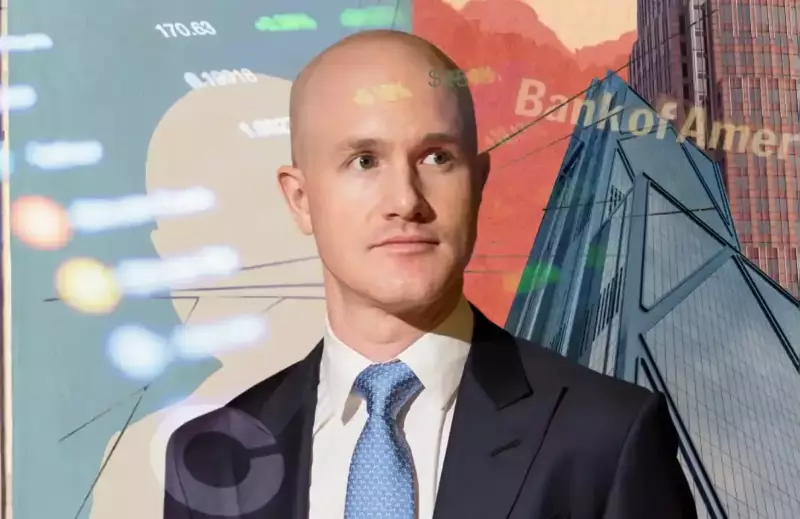
Remember that scene at Davos? Jamie Dimon, JPMorgan’s straight-shooting CEO and a long-time crypto skeptic, reportedly interrupted Coinbase’s Brian Armstrong with a blunt, “You’re talking nonsense!” It’s the kind of high-stakes confrontation that perfectly encapsulates the simmering tension between old money and new digital disruptors. Armstrong, head of the U.S.’s largest crypto firm, had been publicly accusing banks of trying to sabotage legislation aimed at digital asset regulation, and Wall Street’s titans weren't about to let that slide without a word or two, or a whole minute if you were Jane Fraser.
Stablecoin Standoff: A Battle for Deposits
At the heart of this clash is a key question: should crypto exchanges be allowed to offer yields on stablecoins? Coinbase and others believe in a free market, proposing attractive annualized returns (think 3.5%) to stablecoin holders. The old guard on Wall Street isn't exactly thrilled, seeing these rewards as direct competition to their own low-yield savings accounts (often below 0.1%). Banks fear a significant outflow of deposits, potentially weakening community banks and impacting their lending power. This isn't just a squabble over a few percentage points; it’s a foundational debate about who controls resident deposits, the very lifeblood of traditional banking. The proposed “Clarity Act” has become the legislative battleground, poised to redefine everyday financial services from payments to bank accounts.
Coinbase's Rocky Ride: Market Swings and Regulatory Shadows
While the regulatory wrestling match unfolds, Coinbase isn’t having the easiest time on the market. Its stock recently took a nearly 5% dip, mirroring Bitcoin’s fall below $85,000. This kind of volatility is a double-edged sword: it can bring trading volumes but also scare off cautious investors, directly impacting Coinbase's transaction-based revenue. Policy uncertainty, particularly around stablecoin regulations, looms large. With a White House summit on dollar-pegged stablecoins scheduled for February 2 and Senate committees advancing digital-asset bills, Brian Armstrong has publicly urged lawmakers to slow down. Rushing legislation without resolving key questions, he argues, could lead to incomplete and potentially damaging regulatory frameworks. Meanwhile, Coinbase's attempts to expand into new areas, like prediction markets, are drawing their own share of regulatory scrutiny.
Beyond Coinbase: Wall Street's Broader Crypto Embrace
It's not all bare-knuckle brawling, though. Wall Street's relationship with crypto is a nuanced one. While they might push back against Coinbase’s disruption of their core business, there's a growing appetite for certain crypto assets. Take XRP, for instance. Wall Street firms are reportedly eyeing significant price predictions for 2026, driven by surging ETF inflows and improving regulatory clarity. And it's not just XRP; assets like Stellar's XLM and XDC are being highlighted as
Disclaimer:info@kdj.com
The information provided is not trading advice. kdj.com does not assume any responsibility for any investments made based on the information provided in this article. Cryptocurrencies are highly volatile and it is highly recommended that you invest with caution after thorough research!
If you believe that the content used on this website infringes your copyright, please contact us immediately (info@kdj.com) and we will delete it promptly.













![[4K 60fps] epilogue by SubStra (The Demon Route, 1 Coin)](/uploads/2026/01/30/cryptocurrencies-news/videos/origin_697c08ce4555f_image_500_375.webp "[4K 60fps] epilogue by SubStra (The Demon Route, 1 Coin)")