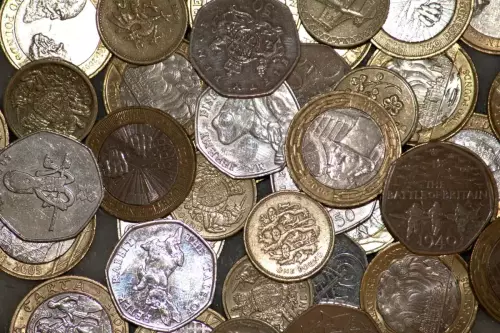
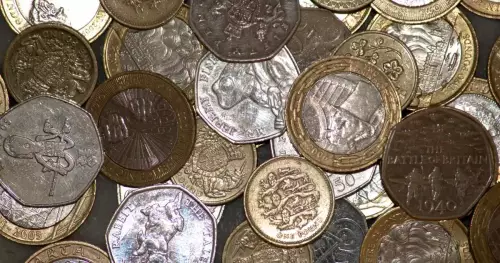
A seemingly imperfect £1 coin, dubbed the "fried egg error," recently fetched over 100 times its face value, spotlighting a vibrant market for Royal Mint rarities and the thrill of discovery in everyday change.

New York, NY – What’s in your pocket? For one eagle-eyed individual, a glance at their spare change revealed not just a pound coin, but a mini-jackpot. A 2017 £1 coin, marred by a distinctive "fried egg error" – where the silver-colored inner disk appears to have 'leaked' into the surrounding design – recently sold for a staggering £112.08, more than 112 times its nominal worth.
When Perfection Isn't the Point: The Allure of the Imperfect
This isn't just about a wonky coin; it’s a testament to a fascinating trend in numismatics where errors, far from diminishing value, elevate it to extraordinary heights. The "fried egg error" is a known anomaly in bi-metallic coins, transforming a standard piece of currency into a sought-after collectible. It's a delightful irony: the very imperfections that slip past the Royal Mint’s rigorous quality checks become the hallmarks of rarity for enthusiasts.
This recent £1 sensation echoes other celebrated blunders. Consider the 2014 Lord Kitchener £2 coin, commemorating the start of WWI. A batch of these, missing the crucial "TWO POUNDS" inscription on the obverse, has proven incredibly elusive, with one such coin previously commanding over £500. These aren't just mistakes; they're unique variations, accidental limited editions that spark a fervent treasure hunt among collectors and casual observers alike.
Beyond Errors: The Royal Mint's Limited Editions
While errors grab headlines, intentional scarcity also plays a pivotal role in the rare coin market. The Royal Mint, renowned for its commemorative issues, occasionally releases coins with exceptionally low mintage figures, turning them into instant classics. The 2009 Kew Gardens 50p, featuring the iconic Chinese Pagoda, is a prime example. With only 210,000 ever produced, it consistently fetches hundreds of times its face value, a testament to its design appeal and sheer rarity. The 50p piece, with its generous diameter, has become a popular canvas for celebrating British history and culture, making it a particularly fertile ground for collectible designs, from Olympic sports to beloved children's characters.
The Thrill of the Everyday Treasure Hunt
What's truly captivating about this phenomenon is its accessibility. These valuable coins aren't locked away in vaults; they're out there, circulating in the tills of corner shops and the pockets of passersby. It transforms every transaction into a potential discovery, every handful of change into a lottery ticket. The digital age, particularly platforms like eBay, has further fueled this excitement, providing a bustling marketplace where these rare finds can be identified, valued, and snapped up by eager bidders.
A Bit of Perspective (and a Gentle Nudge)
It’s tempting to imagine every old coin in your piggy bank is a hidden fortune. While not every piece of metal is a goldmine, the consistent emergence of these highly valued Royal Mint coins – be it a "fried egg" £1, a "missing inscription" £2, or a low-mintage 50p – underscores a lively, democratic collecting scene. It's a reminder that even in our digital world, tangible pieces of history, sometimes with charming flaws, can hold surprising value. So, next time you’re fumbling for change, take a moment. You might just be holding a tiny piece of modern art, or a quirky error, that's worth more than its weight in gold – or at least, a decent dinner out.













![[4K 60fps] epilogue by SubStra (The Demon Route, 1 Coin)](/uploads/2026/01/30/cryptocurrencies-news/videos/origin_697c08ce4555f_image_500_375.webp "[4K 60fps] epilogue by SubStra (The Demon Route, 1 Coin)")