Discover the latest trends in rare Royal Mint coins, with specific attention to errors like the 'fried egg' and designs like the Atlantic Salmon, and understand what makes them valuable.

Unearthing Treasures: The Allure of Rare Royal Mint Coins and Their Surprising Value
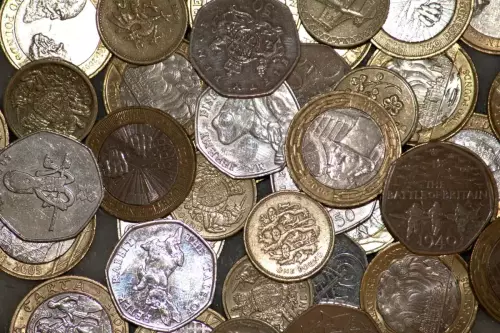
It seems the humble coin in your pocket might be worth more than you think! Recent findings and sales highlight a burgeoning interest in rare Royal Mint coins, with specific errors and limited-edition designs fetching significant sums. From the quirky 'fried egg' error on a £1 coin to the conservation-themed Atlantic Salmon 50p, collectors are keenly seeking out these numismatic gems.
The 'Fried Egg' Phenomenon: A Minting Mishap Worth a Fortune
One of the most talked-about finds is a 2017 £1 coin featuring a 'fried egg error'. This particular minting mistake, where the inner disc appears to 'leak' outwards, has transformed a standard coin into a coveted collectible. A recent sale saw one such coin fetch £112.08 on eBay, a staggering 112 times its face value. This error, affecting bi-metallic coins, underscores how imperfections can dramatically increase a coin's desirability and value. The historical context of the £1 coin, evolving from the round design to the 12-sided version, adds another layer of interest for collectors, but it's these rare errors that truly capture the market's attention.
Conservation in Coinage: The Rise of the Atlantic Salmon 50p
More recent Royal Mint issues are also making waves. A 2023 Atlantic Salmon 50p coin, part of a collection celebrating King Charles III's passion for nature, has been selling for over £50 on eBay. With only 200,000 minted, this coin exemplifies how specific, meaningful designs can quickly become rare and valuable. This collection marks a significant transition in UK coinage, with designs reflecting conservation efforts and wildlife, making them particularly appealing to a modern audience interested in both numismatics and environmental causes.
What Makes a Royal Mint Coin Valuable?
Several factors contribute to a Royal Mint coin's value. The mintage number – how many of a particular design were produced – is a primary driver for collectors. The rarer the coin, the higher its potential value. Beyond mintage, the condition of the coin is crucial; a well-preserved piece will always command a higher price. Most significantly, as demonstrated by the 'fried egg' error, design flaws or unique minting errors can skyrocket a coin's worth. The way a coin is sold, whether through auctions like eBay or via professional coin dealers, can also influence the final price achieved. The 50p piece, with its larger surface area, has become a popular canvas for commemorative and collectible designs, leading to a diverse range of valuable pieces within this denomination.
A Glimpse into the Future of Collecting
The recent surge in interest and value for these specific Royal Mint coins suggests a growing fascination with numismatics among the general public. It’s a delightful reminder that hidden treasures might just be waiting in our everyday change. So, next time you're rummaging through your pockets, keep an eye out – you never know when you might find your own piece of history! Happy hunting!
Disclaimer:info@kdj.com
The information provided is not trading advice. kdj.com does not assume any responsibility for any investments made based on the information provided in this article. Cryptocurrencies are highly volatile and it is highly recommended that you invest with caution after thorough research!
If you believe that the content used on this website infringes your copyright, please contact us immediately (info@kdj.com) and we will delete it promptly.













![[4K 60fps] epilogue by SubStra (The Demon Route, 1 Coin)](/uploads/2026/01/30/cryptocurrencies-news/videos/origin_697c08ce4555f_image_500_375.webp "[4K 60fps] epilogue by SubStra (The Demon Route, 1 Coin)")