






















-
 bitcoin
 $81483.540274 USD
1.45% - ethereum
$2656.445935 USD
3.16% - tether
$0.999729 USD
0.01% - bnb
$771.482703 USD
2.73% - xrp
$1.434506 USD
3.76% - usd-coin
$0.999848 USD
-0.01% - solana
$111.949960 USD
2.99% - tron
$0.342844 USD
0.77% - zcash
$1496.192048 USD
3.04% - hyperliquid
$93.842057 USD
2.86% - dogecoin
$0.088966 USD
4.37% - monero
$618.824864 USD
18.41% - chainlink
$12.540039 USD
4.61% - cardano
$0.232168 USD
5.42% - unus-sed-leo
$8.922830 USD
0.41%











What is a bear market? Understand the bear market in the cryptocurrency world in one article
Bear markets in the cryptocurrency world are characterized by declining prices, high volatility, low trading volume, and negative market sentiment, often triggered by economic downturns or regulatory changes.
Oct 31, 2024 at 01:30 pm
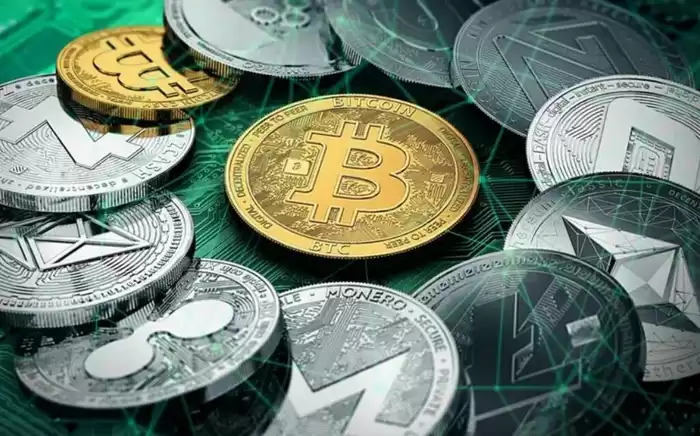
Understanding Bear Markets in the Cryptocurrency World
A bear market is a period of sustained decline in the prices of financial assets, including cryptocurrencies. It is characterized by prolonged periods of downward price action, low trading volume, and a decline in investor信心.
Characteristics of a Bear Market
- Declining Asset Prices: Prices of cryptocurrencies fall significantly over an extended period.
- High Volatility: Markets experience sharp fluctuations and price swings.
- Low Trading Volume: Trading volume decreases as investors become hesitant to trade due to uncertain market conditions.
- Negative Market Sentiment: Investors lose faith in the market and become pessimistic about future prospects.
- Increased Selling Pressure: Investors sell their cryptocurrencies to minimize losses or take profits.
Causes of Bear Markets
- Economic Downturns: General economic conditions, such as recessions or interest rate hikes, can impact investor confidence and lead to reduced demand for cryptocurrencies.
- Regulatory Changes: Government regulations or crackdowns on cryptocurrencies can create uncertainty and discourage investment.
- Technology Glitches or Security Breaches: Major events or incidents that affect the stability of cryptocurrency exchanges or wallets can trigger a decline in market sentiment.
- FOMO and Panic Selling: Excessive buying during bull markets can create an unsustainable bubble that eventually bursts, resulting in a sell-off.
- Narrative Shifts: Changes in the narrative surrounding cryptocurrencies, such as decreased media attention or loss of public interest, can also contribute to a bear market.
Strategies for Bear Markets
- Dollar-Cost Averaging: Invest small amounts of money at regular intervals to reduce the impact of price volatility.
- Invest in Blue-Chip Cryptocurrencies: Focus on investing in well-established cryptocurrencies with solid fundamentals and a strong track record.
- Stay Informed: Keep abreast of market news, regulations, and technical indicators to make informed investment decisions.
- Avoid Emotion-Driven Trading: Resist making impulsive trades based on fear or greed. Stick to your investment strategy.
- Consider Long-Term Investments: Bear markets can last for months or even years. If you have the financial means, consider investing with a long-term horizon.
Conclusion
Bear markets in the cryptocurrency world are inevitable and should be anticipated by investors. Understanding the characteristics and causes of bear markets can help you navigate market downturns and make informed investment decisions. Remember that bear markets also present opportunities for savvy investors to accumulate assets at lower prices and position themselves for future growth.
Disclaimer:info@kdj.com
The information provided is not trading advice. kdj.com does not assume any responsibility for any investments made based on the information provided in this article. Cryptocurrencies are highly volatile and it is highly recommended that you invest with caution after thorough research!
If you believe that the content used on this website infringes your copyright, please contact us immediately (info@kdj.com) and we will delete it promptly.






- House Committee Advances 20-Year Bitcoin Reserve Bill: A Glimpse into America's Digital Asset Future
- 2026-09-21 12:45:01
- U.S. Treasury Slams Iranian Exchange BitBank with Sanctions Over Alleged IRGC Bitcoin Transfers
- 2026-09-21 04:45:01
- Crypto Crossroads: Best Crypto to Buy Amidst SEC Regulation & the Rise of Pepeto
- 2026-09-21 04:50:01
- Bitcoin Price: The Spectacular Rebound and Its Crossroads
- 2026-09-21 04:45:01
- One Attacker, Multiple Tokens: Inside the Fetch.ai Breach - A New York Minute
- 2026-09-20 20:50:02
- MultiversX Halts Mainnet: Unraveling the 'Invalid State' Incident
- 2026-09-20 20:45:01
Related knowledge

What Is DAI and How Is It Different From USDT?
Sep 08,2026 at 05:00pm
Market Volatility Patterns1. Price swings exceeding 15% within a 24-hour window have occurred in over 68% of Bitcoin’s trading days since 2021. 2. Eth...
USDT, USDC and DAI: How Are These Stablecoins Different?
Sep 20,2026 at 05:59am
Bitcoin Halving Mechanics1. Bitcoin’s protocol enforces a fixed issuance schedule where block rewards are cut in half approximately every 210,000 bloc...

Why Can a Stablecoin Lose Its $1 Peg?
Sep 08,2026 at 02:00am
Reserve Composition and Transparency Gaps1. Many stablecoins claim to be fully backed by cash or short-duration US Treasuries, yet reserve disclosures...

What Is Self-Custody in Crypto and Why Does It Matter?
Sep 10,2026 at 04:19am
Definition and Core Mechanics1. Self-custody refers to the practice where individuals retain full control over their private keys without delegating t...

Custodial vs Non-Custodial Wallets: What’s the Difference?
Sep 17,2026 at 03:19am
Custodial Wallets Defined1. A custodial wallet is a digital asset storage solution where a third-party service provider holds and manages users’ priva...

What Is a Multisig Wallet and When Is It Useful?
Sep 12,2026 at 02:20pm
Definition and Core Architecture1. A multisig wallet is a cryptographic construct that requires multiple private keys to authorize a single blockchain...
What Is DAI and How Is It Different From USDT?
Sep 08,2026 at 05:00pm
Market Volatility Patterns1. Price swings exceeding 15% within a 24-hour window have occurred in over 68% of Bitcoin’s trading days since 2021. 2. Eth...
USDT, USDC and DAI: How Are These Stablecoins Different?
Sep 20,2026 at 05:59am
Bitcoin Halving Mechanics1. Bitcoin’s protocol enforces a fixed issuance schedule where block rewards are cut in half approximately every 210,000 bloc...
Why Can a Stablecoin Lose Its $1 Peg?
Sep 08,2026 at 02:00am
Reserve Composition and Transparency Gaps1. Many stablecoins claim to be fully backed by cash or short-duration US Treasuries, yet reserve disclosures...
What Is Self-Custody in Crypto and Why Does It Matter?
Sep 10,2026 at 04:19am
Definition and Core Mechanics1. Self-custody refers to the practice where individuals retain full control over their private keys without delegating t...
Custodial vs Non-Custodial Wallets: What’s the Difference?
Sep 17,2026 at 03:19am
Custodial Wallets Defined1. A custodial wallet is a digital asset storage solution where a third-party service provider holds and manages users’ priva...
What Is a Multisig Wallet and When Is It Useful?
Sep 12,2026 at 02:20pm
Definition and Core Architecture1. A multisig wallet is a cryptographic construct that requires multiple private keys to authorize a single blockchain...
See all articles


