














-
 bitcoin
 $86353.520310 USD
1.06% - ethereum
$2748.504094 USD
0.61% - tether
$0.999805 USD
0.00% - bnb
$789.713139 USD
0.35% - xrp
$1.621177 USD
6.50% - usd-coin
$0.999968 USD
-0.01% - solana
$118.732892 USD
1.75% - tron
$0.343839 USD
-1.32% - zcash
$1622.688363 USD
8.33% - hyperliquid
$97.151941 USD
2.83% - dogecoin
$0.101886 USD
2.10% - monero
$571.352536 USD
-0.93% - chainlink
$13.016236 USD
0.75% - cardano
$0.257732 USD
5.00% - unus-sed-leo
$8.985389 USD
0.15%











What Is an aNFT (Autonomous NFT)?
Autonomous NFTs (aNFTs) empower non-fungible tokens with autonomy, programmability, and self-execution capabilities, enabling them to execute tasks and interact with the environment independently.
Oct 20, 2024 at 05:06 am
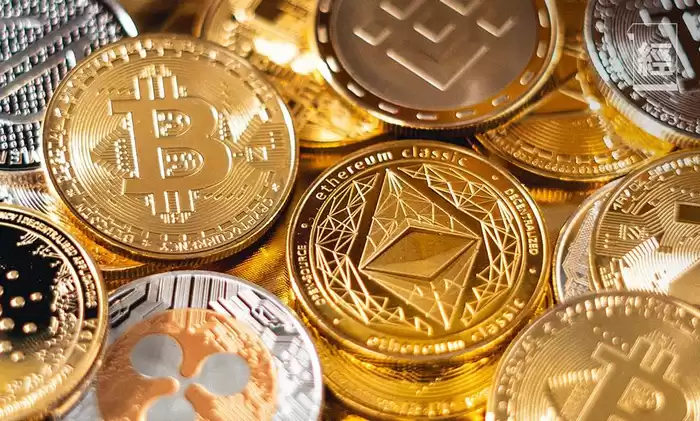
An Autonomous NFT (aNFT) is a type of non-fungible token (NFT) that has been programmed with autonomous capabilities. It is designed to interact with the environment and execute tasks without requiring human intervention.
2. Key Features:Autonomy: aNFTs can make independent decisions and take actions based on predefined rules or external inputs.
Programmability: aNFTs are programmable through smart contracts, allowing for complex behaviors and interactions.
Interaction with the environment: aNFTs can communicate with other entities in the blockchain network and respond to specific events.
Self-execution: aNFTs can execute tasks automatically without the need for external intervention.
aNFTs have numerous potential applications, including:
Automated trading: aNFTs can be programmed to execute trades based on predefined strategies and market conditions.
Dynamic pricing: aNFTs can adjust their prices automatically based on factors such as demand, supply, and external conditions.
Content creation and distribution: aNFTs can facilitate the autonomous generation and distribution of unique digital content.
Asset management: aNFTs can be used to manage assets, such as real estate or digital collectibles, in a more efficient and transparent manner.
Increased efficiency: aNFTs can automate complex tasks and eliminate the need for manual intervention, reducing costs and saving time.
Flexibility: aNFTs can be programmed to adapt to changing conditions and respond to specific events in real-time.
Transparency: aNFTs operate on the blockchain, ensuring accountability and transparency in all interactions and transactions.
Innovativeness: aNFTs open up new possibilities for innovative applications that leverage the autonomous nature of these tokens.
Art Blocks Curated: A platform for generative aNFTs that create unique pieces of digital art based on predefined parameters.
CryptoKitties: A game that allows users to trade and breed digital cats, with each cat being represented as a unique aNFT.
Aavegotchi: A collectible aNFT avatars that can interact with the DeFi ecosystem and earn rewards.
Disclaimer:info@kdj.com
The information provided is not trading advice. kdj.com does not assume any responsibility for any investments made based on the information provided in this article. Cryptocurrencies are highly volatile and it is highly recommended that you invest with caution after thorough research!
If you believe that the content used on this website infringes your copyright, please contact us immediately (info@kdj.com) and we will delete it promptly.






- Pepeto, XRP, and SHIB: Navigating the Next Wave in Crypto's Dynamic Landscape
- 2026-09-24 04:55:01
- MoonPay Acquires North Capital, Bolstering Private Markets Infrastructure for Tokenized Assets
- 2026-09-24 04:55:01
- Blockchain.com and NYSE Forge Ahead in Tokenized Securities with Global 24/7 Trading Vision
- 2026-09-24 05:00:01
- Circle's Stablecoin Chain, USDC, and Stablecoin Chain Dynamics: A New Era Dawns
- 2026-09-24 05:00:01
- Injective's Innovative Token Burn and Stockdrop Program Connects Crypto with Real-World Assets
- 2026-09-24 05:05:01
- TRON Blockchain: The New King of Revenue, Driven by Stablecoins and Smart Strategy
- 2026-09-24 05:05:01
Related knowledge

What Is DAI and How Is It Different From USDT?
Sep 08,2026 at 05:00pm
Market Volatility Patterns1. Price swings exceeding 15% within a 24-hour window have occurred in over 68% of Bitcoin’s trading days since 2021. 2. Eth...

USDT, USDC and DAI: How Are These Stablecoins Different?
Sep 20,2026 at 05:59am
Bitcoin Halving Mechanics1. Bitcoin’s protocol enforces a fixed issuance schedule where block rewards are cut in half approximately every 210,000 bloc...

Why Can a Stablecoin Lose Its $1 Peg?
Sep 08,2026 at 02:00am
Reserve Composition and Transparency Gaps1. Many stablecoins claim to be fully backed by cash or short-duration US Treasuries, yet reserve disclosures...

What Is Self-Custody in Crypto and Why Does It Matter?
Sep 10,2026 at 04:19am
Definition and Core Mechanics1. Self-custody refers to the practice where individuals retain full control over their private keys without delegating t...

Custodial vs Non-Custodial Wallets: What’s the Difference?
Sep 17,2026 at 03:19am
Custodial Wallets Defined1. A custodial wallet is a digital asset storage solution where a third-party service provider holds and manages users’ priva...

What Is a Multisig Wallet and When Is It Useful?
Sep 12,2026 at 02:20pm
Definition and Core Architecture1. A multisig wallet is a cryptographic construct that requires multiple private keys to authorize a single blockchain...
What Is DAI and How Is It Different From USDT?
Sep 08,2026 at 05:00pm
Market Volatility Patterns1. Price swings exceeding 15% within a 24-hour window have occurred in over 68% of Bitcoin’s trading days since 2021. 2. Eth...
USDT, USDC and DAI: How Are These Stablecoins Different?
Sep 20,2026 at 05:59am
Bitcoin Halving Mechanics1. Bitcoin’s protocol enforces a fixed issuance schedule where block rewards are cut in half approximately every 210,000 bloc...
Why Can a Stablecoin Lose Its $1 Peg?
Sep 08,2026 at 02:00am
Reserve Composition and Transparency Gaps1. Many stablecoins claim to be fully backed by cash or short-duration US Treasuries, yet reserve disclosures...
What Is Self-Custody in Crypto and Why Does It Matter?
Sep 10,2026 at 04:19am
Definition and Core Mechanics1. Self-custody refers to the practice where individuals retain full control over their private keys without delegating t...
Custodial vs Non-Custodial Wallets: What’s the Difference?
Sep 17,2026 at 03:19am
Custodial Wallets Defined1. A custodial wallet is a digital asset storage solution where a third-party service provider holds and manages users’ priva...
What Is a Multisig Wallet and When Is It Useful?
Sep 12,2026 at 02:20pm
Definition and Core Architecture1. A multisig wallet is a cryptographic construct that requires multiple private keys to authorize a single blockchain...
See all articles


