


















-
 bitcoin
 $83008.406489 USD
-1.46% - ethereum
$2568.620758 USD
-1.89% - tether
$0.999392 USD
-0.03% - bnb
$769.291656 USD
0.17% - xrp
$1.405452 USD
-4.72% - usd-coin
$0.999852 USD
0.00% - solana
$115.319071 USD
-2.99% - tron
$0.334852 USD
0.52% - hyperliquid
$87.220586 USD
-4.42% - zcash
$1242.756060 USD
-6.27% - dogecoin
$0.087629 USD
-3.55% - monero
$554.338621 USD
-2.76% - chainlink
$13.126025 USD
-4.86% - cardano
$0.252798 USD
-1.77% - unus-sed-leo
$8.913810 USD
0.43%










Web3 wallets and Layer 2 solutions: reducing transaction costs
Layer 2 solutions, such as Optimism and Polygon, enable faster and cheaper transactions by bundling them together before processing them on the main blockchain.
Oct 24, 2024 at 07:21 pm
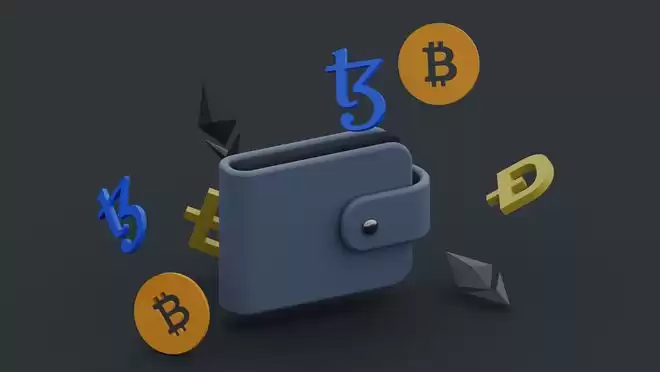
1. IntroductionTransaction costs on popular blockchains, such as Ethereum, can be significant. This is a major barrier to adoption for many developers and users. Web3 wallets and Layer 2 solutions offer ways to reduce transaction costs, making blockchain technology more accessible and scalable.
2. Web3 WalletsWeb3 wallets, such as MetaMask and Coinbase Wallet, allow users to interact with blockchain applications without having to run a full node. They provide a user-friendly interface and often support multiple blockchains. Some Web3 wallets also offer features that can help reduce transaction costs.
3. Layer 2 SolutionsLayer 2 solutions are built on top of existing blockchains to increase transaction throughput and reduce costs. They work by bundling multiple transactions together into a single transaction on the main blockchain. This reduces the amount of data that needs to be processed, which in turn lowers gas fees. Some popular Layer 2 solutions include:
- Optimism: A Layer 2 solution that uses optimistic rollups. This means that transactions are assumed to be valid until proven otherwise. Optimism currently has the highest TVL (Total Value Locked) among Layer 2 solutions.
- Arbitrum: Another Layer 2 solution that uses optimistic rollups. Arbitrum has a slightly lower TVL than Optimism, but it has a wider range of supported applications.
- Polygon: A Layer 2 solution that uses sidechains. Sidechains are separate blockchains that are connected to the main blockchain through a two-way peg. Polygon has a high throughput and low fees, making it a popular choice for gaming and DeFi applications.
4. How to Choose a Web3 WalletWhen choosing a Web3 wallet, there are a few factors to consider:
- Security: Look for a wallet that has a good reputation for security. Check if it has been audited by a third party and if it offers features such as two-factor authentication.
- Functionality: Consider the features that you need in a wallet. Some wallets offer more advanced features, such as the ability to interact with smart contracts or store multiple assets.
- User-friendliness: The wallet should be easy to use, even for beginners. Look for a wallet with a clear and intuitive interface.
5. How to Choose a Layer 2 SolutionWhen choosing a Layer 2 solution, there are a few factors to consider:
- Compatibility: Make sure that the Layer 2 solution is compatible with the blockchain that you are using.
- Fees: Compare the fees charged by different Layer 2 solutions. Some solutions offer lower fees for certain types of transactions.
- Security: Look for a Layer 2 solution that has a good reputation for security. Check if it has been audited by a third party and if it uses proven security mechanisms.
ConclusionWeb3 wallets and Layer 2 solutions are essential tools for reducing transaction costs and increasing the accessibility of blockchain technology. By using these tools, developers and users can create more efficient and scalable blockchain applications.
Disclaimer:info@kdj.com
The information provided is not trading advice. kdj.com does not assume any responsibility for any investments made based on the information provided in this article. Cryptocurrencies are highly volatile and it is highly recommended that you invest with caution after thorough research!
If you believe that the content used on this website infringes your copyright, please contact us immediately (info@kdj.com) and we will delete it promptly.






- US Government's $103 Million BTC, BNB Transfers Fuel Sell-Off Speculation, But Hold Your Horses!
- 2026-10-08 16:45:01
- Peter Thiel's Founders Fund Fuels 60% Surge in Anvil's ANVL Token: A New Era for DeFi Collateral?
- 2026-10-08 16:35:01
- Tether and Kazakhstan Forge Ahead: Exploring Stablecoins and Digital Finance in Central Asia
- 2026-10-08 08:22:03
- XRP Gets a Huge Green Light: Market Strategist Points to Nasdaq Listing and Regulatory Clarity
- 2026-10-08 07:33:17
- Uncle Sam's Crypto Shuffle: Bitcoin, Coinbase Prime, and Seized Assets Stir the Pot
- 2026-10-08 07:09:20
- Zcash ETF Bleeds: Price Action Signals Institutional Chill Amidst $59 Million Outflows
- 2026-10-07 09:52:04
Related knowledge
How to Transfer Bitcoin From SafePal to Ledger for Long-Term Cold Storage?
Oct 03,2026 at 02:19am
Preparation Before Transfer1. Verify that your SafePal wallet is fully updated and supports exporting private keys or signing transactions offline. 2....
How to Connect SafePal Wallet to a New DeFi Platform and Review Transaction Permissions?
Oct 08,2026 at 08:19am
Connecting SafePal Wallet to a DeFi Platform1. Open the SafePal mobile application and ensure it is updated to version 4.8.2 or higher. 2. Navigate to...
How to Restore a SafePal Wallet With Your Recovery Phrase After Reinstalling the App?
Oct 05,2026 at 11:40pm
Understanding SafePal Wallet Recovery Mechanics1. SafePal wallets rely exclusively on BIP-39 standard mnemonic phrases for deterministic key derivatio...
How to Send XRP From Atomic Wallet With the Correct Destination Tag?
Oct 06,2026 at 04:00am
Understanding Destination Tags in XRP Transactions1. A destination tag is a numeric identifier used exclusively within the XRP Ledger to route payment...
How to Fix an Atomic Wallet Exchange That Remains Pending After Confirmation?
Oct 05,2026 at 04:40pm
Bitcoin Halving Mechanics1. Bitcoin’s protocol enforces a fixed supply cap of 21 million coins, with new coins introduced through block rewards. 2. Ev...
How to Find Your Atomic Wallet Private Key for Transferring Assets to Another Wallet?
Oct 08,2026 at 03:59pm
Market Volatility Patterns1. Bitcoin price swings often exceed 10% within a 24-hour window during high-liquidity events such as ETF approval announcem...
How to Transfer Bitcoin From SafePal to Ledger for Long-Term Cold Storage?
Oct 03,2026 at 02:19am
Preparation Before Transfer1. Verify that your SafePal wallet is fully updated and supports exporting private keys or signing transactions offline. 2....
How to Connect SafePal Wallet to a New DeFi Platform and Review Transaction Permissions?
Oct 08,2026 at 08:19am
Connecting SafePal Wallet to a DeFi Platform1. Open the SafePal mobile application and ensure it is updated to version 4.8.2 or higher. 2. Navigate to...
How to Restore a SafePal Wallet With Your Recovery Phrase After Reinstalling the App?
Oct 05,2026 at 11:40pm
Understanding SafePal Wallet Recovery Mechanics1. SafePal wallets rely exclusively on BIP-39 standard mnemonic phrases for deterministic key derivatio...
How to Send XRP From Atomic Wallet With the Correct Destination Tag?
Oct 06,2026 at 04:00am
Understanding Destination Tags in XRP Transactions1. A destination tag is a numeric identifier used exclusively within the XRP Ledger to route payment...
How to Fix an Atomic Wallet Exchange That Remains Pending After Confirmation?
Oct 05,2026 at 04:40pm
Bitcoin Halving Mechanics1. Bitcoin’s protocol enforces a fixed supply cap of 21 million coins, with new coins introduced through block rewards. 2. Ev...
How to Find Your Atomic Wallet Private Key for Transferring Assets to Another Wallet?
Oct 08,2026 at 03:59pm
Market Volatility Patterns1. Bitcoin price swings often exceed 10% within a 24-hour window during high-liquidity events such as ETF approval announcem...
See all articles


