














-
 bitcoin
$78074.098354 USD
1.89% - ethereum
$2299.014391 USD
2.17% - tether
$0.998449 USD
0.01% - bnb
$700.460149 USD
1.26% - xrp
$1.273048 USD
1.81% - usd-coin
$0.999762 USD
0.01% - solana
$92.929882 USD
1.25% - tron
$0.321666 USD
0.30% - zcash
$1272.523101 USD
12.65% - hyperliquid
$84.856242 USD
1.58% - monero
$637.212844 USD
3.50% - dogecoin
$0.074680 USD
1.23% - unus-sed-leo
$9.292529 USD
-0.02% - chainlink
$11.063098 USD
-0.05% - cardano
$0.190385 USD
1.97%











What Is Dollar-Cost Averaging (DCA)?
Dollar-cost averaging (DCA) is an investment strategy that helps reduce the risk of investing at a price peak by spreading out purchases across market cycles.
Oct 27, 2024 at 04:09 pm
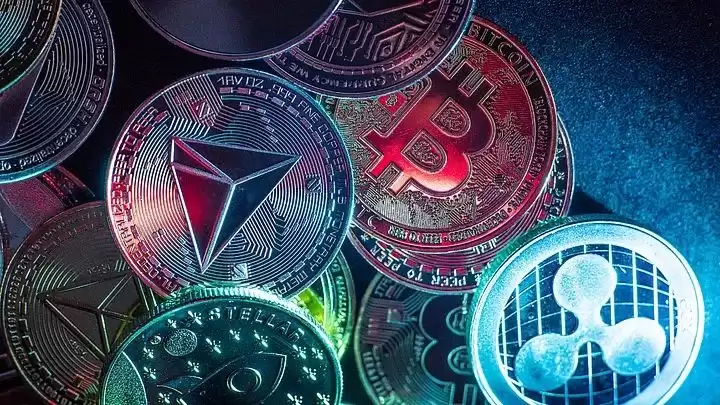
Dollar-cost averaging (DCA) is an investment strategy that involves investing a fixed amount of money in a particular asset at regular intervals, regardless of the asset's current price. This strategy aims to reduce the impact of market volatility and potentially improve investment returns over the long term.
2. How DCA WorksWith DCA, investors allocate a pre-determined amount of money to purchase an asset at set intervals, typically weekly, bi-weekly, or monthly. By spreading out purchases over time, they avoid investing a lump sum at a potentially high market price. This can help reduce the risk associated with market fluctuations.
3. Benefits of DCA- Reduces Market Risk: DCA spreads out purchases across market cycles, mitigating the risk of investing at a price peak.
- Smooths Returns: By buying assets at different prices, DCA can help smooth out investment returns, reducing the impact of volatile price swings.
- Mentally Less Demanding: DCA eliminates the need to constantly monitor the market and make buy/sell decisions, potentially reducing stress and emotional biases.
- May Enhance Returns: Over the long term, DCA has been shown to potentially enhance investment returns in markets with long-term growth trends.
- May Limit Upside Returns: DCA does not necessarily capture the best entry points, leading to potentially lower returns if the asset price rises significantly.
- Can Delay Appreciation: If the asset price declines initially, DCA may delay the point at which the investment begins to appreciate.
- Not Suitable for All Investments: DCA may not be suitable for highly volatile assets or assets with significant short-term price fluctuations.
To implement DCA, investors should:
- Determine Investment Parameters: Establish a fixed amount to invest, the frequency of purchases, and the investment timeframe.
- Choose an Asset: Select a reputable and well-performing asset that aligns with their investment goals.
- Set Up Automated Investing: Consider automating purchases through a broker or investment platform to ensure regular investments.
- Stick to the Plan: Maintain consistency with investments and avoid chasing market trends.
Dollar-cost averaging is a viable investment strategy for investors seeking long-term growth while mitigating market risk. By spreading out purchases over time, DCA can potentially reduce the impact of market fluctuations and enhance investment returns over the long term. However, it is crucial to carefully consider the benefits and drawbacks before implementing DCA, as it may not be suitable for all investment goals or circumstances.
Disclaimer:info@kdj.com
The information provided is not trading advice. kdj.com does not assume any responsibility for any investments made based on the information provided in this article. Cryptocurrencies are highly volatile and it is highly recommended that you invest with caution after thorough research!
If you believe that the content used on this website infringes your copyright, please contact us immediately (info@kdj.com) and we will delete it promptly.





- French Bank Crypto Loss: ZachXBT Unearths Alleged $133M Heist at Crédit Mutuel Arkéa
- 2026-11-04 16:55:01
- Democrats Secure US House Control, Ushering in New Era for Congress Amidst Midterm Elections
- 2026-11-04 16:45:01
- US Midterms, Prediction Markets & Crypto Races: A High-Stakes Wager on Washington's Future
- 2026-11-04 04:30:22
- Digital Assets, Global Finance, and AI: Navigating the Next Frontier at DavosWeb3 and Beyond
- 2026-11-04 04:30:22
- Avalanche AVAX Price Dips Amid Broader Market Woes; Institutional Interest Remains Strong
- 2026-11-03 12:35:02
- Why Is Quant Price Down? A Deep Dive into QNT's Recent Slide Amidst Market Jitters
- 2026-11-03 12:55:01
Related knowledge
How to Create a Crypto Exit Plan Using Multiple Profit Targets and Stop-Loss Levels
Oct 15,2026 at 12:20am
Market Volatility Patterns1. Price swings exceeding 15% within a 24-hour window have occurred in over 68% of Bitcoin’s trading days since 2021. 2. Eth...
How to Combine ETF Flows, Technical Indicators, and On-Chain Data in a Bitcoin Trading Strategy
Oct 23,2026 at 05:09pm
Bitcoin Halving Mechanics1. Bitcoin’s protocol enforces a fixed issuance schedule where block rewards are cut in half approximately every 210,000 bloc...
How to Manage Leverage in Crypto Futures When Funding Rates Turn Negative
Oct 26,2026 at 01:20pm
Bitcoin Halving Mechanics1. Bitcoin’s protocol enforces a fixed supply cap of 21 million coins, with new units introduced through block rewards. 2. Ev...

How to Use Realized Profit and Loss Metrics to Evaluate Bitcoin Market Tops
Oct 25,2026 at 05:14am
Bitcoin Halving Mechanics1. Bitcoin’s protocol enforces a fixed supply cap of 21 million coins, with new units introduced through block rewards. 2. Ev...
How to Build a Crypto Investment Strategy Around Bitcoin Halving Cycles
Oct 17,2026 at 07:39pm
Bitcoin Halving Mechanics1. Bitcoin’s protocol enforces a fixed issuance schedule where block rewards are cut in half approximately every 210,000 bloc...
How to Identify Overbought Altcoins Using RSI and Trading Volume
Oct 15,2026 at 10:20am
Market Volatility Patterns1. Price swings exceeding 15% within a 24-hour window have occurred in over 68% of Bitcoin’s trading days since 2021. 2. Eth...
How to Create a Crypto Exit Plan Using Multiple Profit Targets and Stop-Loss Levels
Oct 15,2026 at 12:20am
Market Volatility Patterns1. Price swings exceeding 15% within a 24-hour window have occurred in over 68% of Bitcoin’s trading days since 2021. 2. Eth...
How to Combine ETF Flows, Technical Indicators, and On-Chain Data in a Bitcoin Trading Strategy
Oct 23,2026 at 05:09pm
Bitcoin Halving Mechanics1. Bitcoin’s protocol enforces a fixed issuance schedule where block rewards are cut in half approximately every 210,000 bloc...
How to Manage Leverage in Crypto Futures When Funding Rates Turn Negative
Oct 26,2026 at 01:20pm
Bitcoin Halving Mechanics1. Bitcoin’s protocol enforces a fixed supply cap of 21 million coins, with new units introduced through block rewards. 2. Ev...
How to Use Realized Profit and Loss Metrics to Evaluate Bitcoin Market Tops
Oct 25,2026 at 05:14am
Bitcoin Halving Mechanics1. Bitcoin’s protocol enforces a fixed supply cap of 21 million coins, with new units introduced through block rewards. 2. Ev...
How to Build a Crypto Investment Strategy Around Bitcoin Halving Cycles
Oct 17,2026 at 07:39pm
Bitcoin Halving Mechanics1. Bitcoin’s protocol enforces a fixed issuance schedule where block rewards are cut in half approximately every 210,000 bloc...
How to Identify Overbought Altcoins Using RSI and Trading Volume
Oct 15,2026 at 10:20am
Market Volatility Patterns1. Price swings exceeding 15% within a 24-hour window have occurred in over 68% of Bitcoin’s trading days since 2021. 2. Eth...
See all articles


