

















-
 bitcoin
$64426.275079 USD
-3.96% - ethereum
$1793.025282 USD
-5.24% - tether
$0.999493 USD
0.05% - bnb
$590.176397 USD
-4.18% - usd-coin
$0.999903 USD
0.01% - xrp
$0.956416 USD
-2.81% - solana
$70.390953 USD
-6.30% - tron
$0.307252 USD
-1.68% - hyperliquid
$65.400630 USD
-5.44% - zcash
$897.603019 USD
-0.85% - monero
$489.783944 USD
-7.62% - dogecoin
$0.057896 USD
-7.24% - unus-sed-leo
$9.119479 USD
-1.58% - chainlink
$9.104602 USD
-4.60% - cardano
$0.150431 USD
-7.46%











How to arbitrage Dogecoin?
To arbitrage Dogecoin, identify price discrepancies across exchanges, create accounts and fund them, buy on the cheaper exchange, sell on the more expensive exchange, and monitor profits.
Nov 06, 2024 at 03:51 am
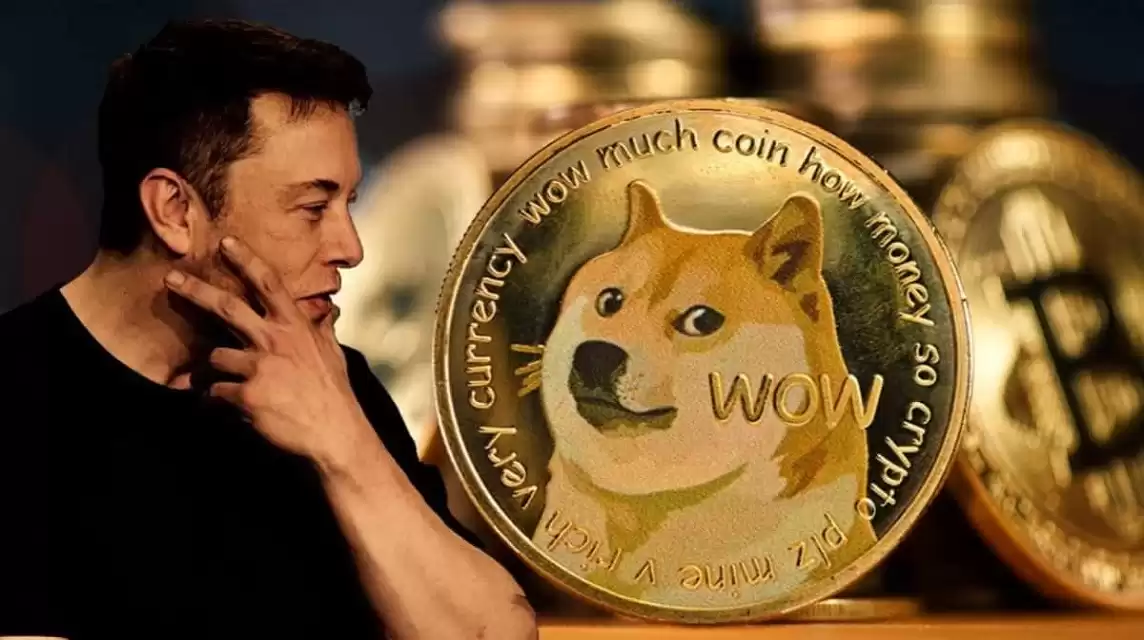
Arbitrage is a trading strategy that involves buying an asset from one market and selling it in another market where it is trading at a higher price, making a profit from the spread between the two markets.
With the increasing popularity of Dogecoin (DOGE), arbitrage opportunities can arise due to different prices on different exchanges. Here's a step-by-step guide on how to arbitrage Dogecoin:
1. Identify an Arbitrage Opportunity:- Use real-time cryptocurrency data feeds or websites that track crypto prices across multiple exchanges.
- Identify pairs of exchanges where DOGE is trading at a significantly different price.
- Ensure that the price difference is large enough to cover交易 fees.
- Register for accounts on both the exchanges offering the arbitrage opportunity.
- Verify your accounts and provide any necessary financial details.
- Deposit funds to both exchanges in a cryptocurrency that is easy to convert to DOGE, such as Tether (USDT) or Binance Coin (BNB).
- Ensure you have sufficient funds to cover the minimum order size on both exchanges.
- On the exchange selling DOGE at a lower price, place a buy order for the desired amount of DOGE.
- Choose a suitable order type that allows you to execute the trade promptly.
- Transfer the purchased DOGE to your account on the exchange selling DOGE at a higher price.
- Place a sell order for the same amount of DOGE on this exchange.
- Use a suitable order type that enables you to sell quickly.
- Once the Dogecoin has been sold on the more expensive exchange, your funds will be available for withdrawal.
- Withdraw the funds to your bank account or other external wallet.
- Subtract the cost of purchasing DOGE on the cheaper exchange, including transaction fees, from the proceeds of selling the DOGE on the more expensive exchange.
- The remainder is your arbitrage profit.
- Monitor price movements constantly and be quick to react to opportunities.
- Understand the transaction fees involved in each step of the process.
- Use a reliable exchange that supports fast transactions and secure transfers.
- Start with small trade sizes and gradually increase them as you gain experience.
- Manage your risk carefully by setting stop-loss orders to limit potential losses.
Note: Cryptocurrency markets are volatile, and arbitrage opportunities may arise and disappear quickly. It's important to be vigilant and cautious, and always consider the potential risks before engaging in any trading strategies.
Disclaimer:info@kdj.com
The information provided is not trading advice. kdj.com does not assume any responsibility for any investments made based on the information provided in this article. Cryptocurrencies are highly volatile and it is highly recommended that you invest with caution after thorough research!
If you believe that the content used on this website infringes your copyright, please contact us immediately (info@kdj.com) and we will delete it promptly.




- Solana Powers Wall Street Tokenization Plans: A 2027 Vision
- 2026-11-16 08:55:02
- Kava Lend Hack: Millions in KAVA Token Lost, Ecosystem Security Under Scrutiny
- 2026-11-16 08:55:02
- DTCC Embraces Multichain Future: What It Means for Solana and the XRP Ledger
- 2026-11-16 04:45:02
- Sui Network, Toncoin, TRON: Navigating the Evolving Crypto Landscape
- 2026-11-15 00:35:01
- OKX Europe Boosts Fast Redemption Limits for VIP Liquid Staking, Setting Industry Pace
- 2026-11-14 16:35:02
- Bitcoin Retail Demand Plunges Amid Price Decline, Technical Indicators Confirm Bearish Trend
- 2026-11-14 16:35:02
Related knowledge
How to Create a Crypto Exit Plan Using Multiple Profit Targets and Stop-Loss Levels
Oct 15,2026 at 12:20am
Market Volatility Patterns1. Price swings exceeding 15% within a 24-hour window have occurred in over 68% of Bitcoin’s trading days since 2021. 2. Eth...
How to Combine ETF Flows, Technical Indicators, and On-Chain Data in a Bitcoin Trading Strategy
Oct 23,2026 at 05:09pm
Bitcoin Halving Mechanics1. Bitcoin’s protocol enforces a fixed issuance schedule where block rewards are cut in half approximately every 210,000 bloc...
How to Manage Leverage in Crypto Futures When Funding Rates Turn Negative
Oct 26,2026 at 01:20pm
Bitcoin Halving Mechanics1. Bitcoin’s protocol enforces a fixed supply cap of 21 million coins, with new units introduced through block rewards. 2. Ev...

How to Use Realized Profit and Loss Metrics to Evaluate Bitcoin Market Tops
Oct 25,2026 at 05:14am
Bitcoin Halving Mechanics1. Bitcoin’s protocol enforces a fixed supply cap of 21 million coins, with new units introduced through block rewards. 2. Ev...
How to Build a Crypto Investment Strategy Around Bitcoin Halving Cycles
Oct 17,2026 at 07:39pm
Bitcoin Halving Mechanics1. Bitcoin’s protocol enforces a fixed issuance schedule where block rewards are cut in half approximately every 210,000 bloc...
How to Identify Overbought Altcoins Using RSI and Trading Volume
Oct 15,2026 at 10:20am
Market Volatility Patterns1. Price swings exceeding 15% within a 24-hour window have occurred in over 68% of Bitcoin’s trading days since 2021. 2. Eth...
How to Create a Crypto Exit Plan Using Multiple Profit Targets and Stop-Loss Levels
Oct 15,2026 at 12:20am
Market Volatility Patterns1. Price swings exceeding 15% within a 24-hour window have occurred in over 68% of Bitcoin’s trading days since 2021. 2. Eth...
How to Combine ETF Flows, Technical Indicators, and On-Chain Data in a Bitcoin Trading Strategy
Oct 23,2026 at 05:09pm
Bitcoin Halving Mechanics1. Bitcoin’s protocol enforces a fixed issuance schedule where block rewards are cut in half approximately every 210,000 bloc...
How to Manage Leverage in Crypto Futures When Funding Rates Turn Negative
Oct 26,2026 at 01:20pm
Bitcoin Halving Mechanics1. Bitcoin’s protocol enforces a fixed supply cap of 21 million coins, with new units introduced through block rewards. 2. Ev...
How to Use Realized Profit and Loss Metrics to Evaluate Bitcoin Market Tops
Oct 25,2026 at 05:14am
Bitcoin Halving Mechanics1. Bitcoin’s protocol enforces a fixed supply cap of 21 million coins, with new units introduced through block rewards. 2. Ev...
How to Build a Crypto Investment Strategy Around Bitcoin Halving Cycles
Oct 17,2026 at 07:39pm
Bitcoin Halving Mechanics1. Bitcoin’s protocol enforces a fixed issuance schedule where block rewards are cut in half approximately every 210,000 bloc...
How to Identify Overbought Altcoins Using RSI and Trading Volume
Oct 15,2026 at 10:20am
Market Volatility Patterns1. Price swings exceeding 15% within a 24-hour window have occurred in over 68% of Bitcoin’s trading days since 2021. 2. Eth...
See all articles


