













![※Urgent News※ [Ripple XRP] Ripple went wrong, insider disaster](/uploads/2026/10/11/cryptocurrencies-news/videos/origin_6acb2f925198b_image_500_375.webp "※Urgent News※ [Ripple XRP] Ripple went wrong, insider disaster")






-
 bitcoin
 $83065.760842 USD
0.56% - ethereum
$2502.987828 USD
0.47% - tether
$0.998983 USD
-0.01% - bnb
$747.892869 USD
0.04% - xrp
$1.394954 USD
-0.69% - usd-coin
$0.999851 USD
0.00% - solana
$109.643247 USD
-0.14% - tron
$0.330160 USD
-0.18% - hyperliquid
$84.910099 USD
0.71% - zcash
$1228.260896 USD
0.09% - dogecoin
$0.085342 USD
-0.89% - monero
$527.981189 USD
1.52% - chainlink
$12.890884 USD
0.15% - cardano
$0.248308 USD
-1.99% - unus-sed-leo
$8.903865 USD
1.60%










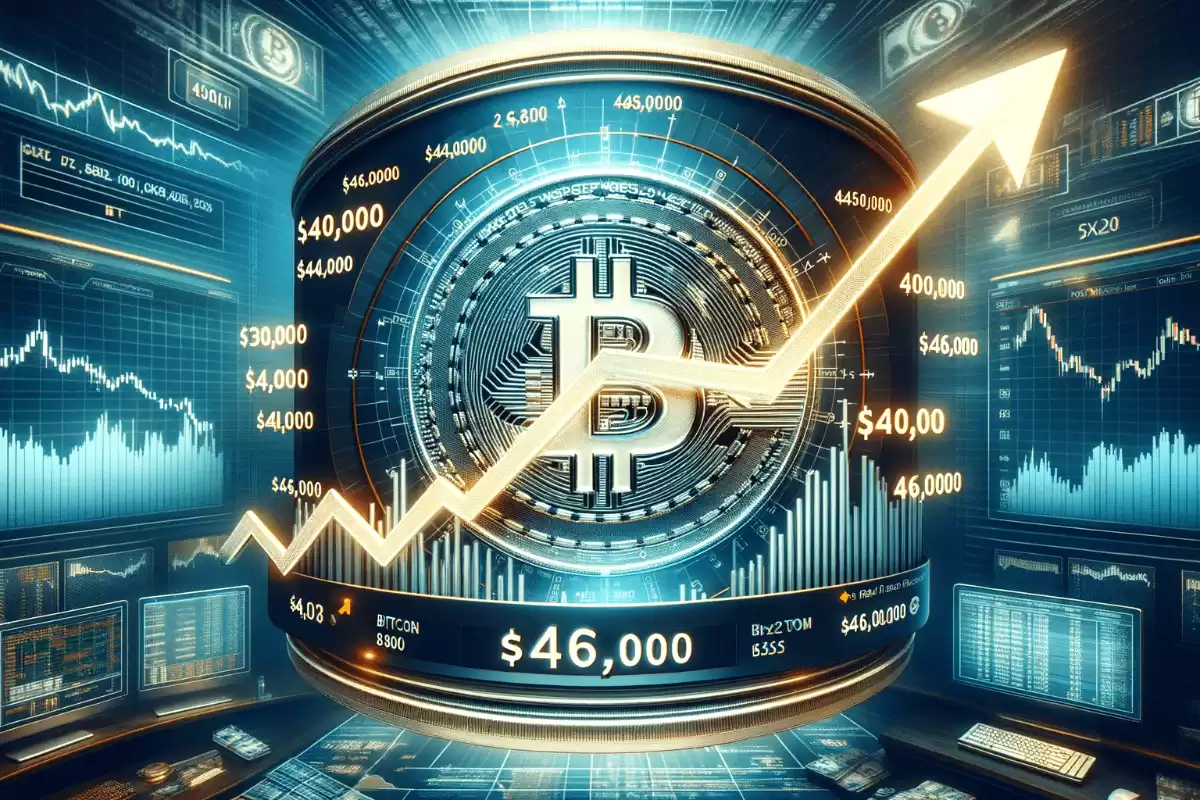
how to mine bitcoin for free
By joining mining pools, configuring mining software, and optimizing settings, individuals can mine Bitcoin for free using their own computational resources or specialized mining hardware.
Oct 03, 2024 at 01:54 am
- Join a Mining Pool:
- Mining pools combine the computational power of multiple miners to increase the chances of finding a block and earning rewards.
- Register with a reputable pool and specify your Bitcoin wallet address.
- Download Mining Software:
- Choose a reputable mining software, such as CGMiner or EasyMiner, that is compatible with your operating system.
- Install the software and configure it according to the instructions on the pool's website.
- Set Up a Mining Rig:
- For efficient mining, consider investing in specialized mining hardware like an ASIC (Application-Specific Integrated Circuit). However, this can be expensive.
- If you have a powerful gaming PC or multiple consumer-grade GPUs, you can use them for mining, though the rewards will be lower.
- Configure Mining Settings:
- Adjust your mining software's settings, including the pool address, wallet address, and thread count (number of processors used).
- Optimize these settings for your specific hardware and electricity costs.
- Start Mining:
- Execute the mining software to start the mining process.
- The software will connect to the pool, download the latest blockchain data, and begin searching for new blocks.
- Monitor Your Mining Performance:
- Use online tools or the pool's dashboard to track your hashing power, rewards, and progress towards finding a block.
- Adjust your mining settings as needed to optimize your earnings.
- Overclocking: Gradually increasing the clock speed of your hardware can boost mining efficiency, but be cautious as it increases heat and power consumption.
- Use Free Electricity: If possible, mine using free electricity sources, such as solar panels or public charging stations.
- Join a Cloud Mining Service: For a fee, cloud mining services offer a fractional share of a dedicated mining rig. This provides a passive income but typically with lower returns compared to direct mining.
- Be Patient: Mining Bitcoin for free requires significant computational power and time. Do not expect to become rich overnight.
- Consider the Cost-Benefit Ratio: Calculate your electricity costs and compare them to your potential earnings. Free mining may not be profitable in some regions with high electricity prices.
Disclaimer:info@kdj.com
The information provided is not trading advice. kdj.com does not assume any responsibility for any investments made based on the information provided in this article. Cryptocurrencies are highly volatile and it is highly recommended that you invest with caution after thorough research!
If you believe that the content used on this website infringes your copyright, please contact us immediately (info@kdj.com) and we will delete it promptly.






- Retail Investors Flock Back to Crypto: Google Searches Surge Amidst Market Volatility
- 2026-10-11 20:35:01
- Ethereum ETFs Experience Million-Dollar Exit Amid Worst Week Since January
- 2026-10-11 17:05:02
- Ether ETFs Endure Worst Week Since January Amid Broader Crypto Sell-Off
- 2026-10-11 17:10:01
- XRP Traders, Bitcoin Trader, Ledger: A New York Minute on Crypto Security and Macro Swings
- 2026-10-11 16:35:01
- CFTC Draws Line: Prediction Markets as Swaps, Casino Gambling Left to States
- 2026-10-11 16:40:01
- Bubblemaps Uncovers Potential $125K Profit for Pump.fun Influencer Amidst Scrutiny
- 2026-10-11 17:00:02
Related knowledge

How Can You Build a Long-Term Cryptocurrency Mining Profitability Model?
Oct 11,2026 at 08:39pm
Energy Cost Optimization Strategies1. Mining operations in regions with subsidized hydroelectric power achieve up to 68% lower electricity costs per k...
How Do You Calculate the Total Cost of Running a Mining Farm?
Oct 08,2026 at 11:20pm
Hardware Acquisition Costs1. The initial outlay includes purchasing ASIC miners, GPUs, or FPGAs depending on the target blockchain protocol. Prices fl...
What Are the Main Risks of Hosting Bitcoin Miners Overseas?
Sep 29,2026 at 08:59pm
Geopolitical Instability and Regulatory Shifts1. Governments in host countries may abruptly revise mining legislation without prior consultation, trig...
How Can You Identify Hidden Costs in a Cryptocurrency Mining Contract?
Oct 10,2026 at 06:32pm
Energy Consumption Clauses1. Review all references to electricity sourcing—phrases like “grid-connected”, “off-grid”, or “renewable-powered” often mas...

How Do You Compare Cloud Mining Contracts With Buying an ASIC?
Oct 10,2026 at 03:39pm
Capital Outlay and Ownership Structure1. Cloud mining contracts require no physical hardware acquisition—users pay an upfront fee or recurring subscri...
Is It Better to Buy Bitcoin or Invest in Mining Equipment?
Oct 06,2026 at 04:00pm
Capital Requirements and Entry Barriers1. Purchasing Bitcoin requires only a wallet, an exchange account, and sufficient fiat or stablecoin funds—ofte...
How Can You Build a Long-Term Cryptocurrency Mining Profitability Model?
Oct 11,2026 at 08:39pm
Energy Cost Optimization Strategies1. Mining operations in regions with subsidized hydroelectric power achieve up to 68% lower electricity costs per k...
How Do You Calculate the Total Cost of Running a Mining Farm?
Oct 08,2026 at 11:20pm
Hardware Acquisition Costs1. The initial outlay includes purchasing ASIC miners, GPUs, or FPGAs depending on the target blockchain protocol. Prices fl...
What Are the Main Risks of Hosting Bitcoin Miners Overseas?
Sep 29,2026 at 08:59pm
Geopolitical Instability and Regulatory Shifts1. Governments in host countries may abruptly revise mining legislation without prior consultation, trig...
How Can You Identify Hidden Costs in a Cryptocurrency Mining Contract?
Oct 10,2026 at 06:32pm
Energy Consumption Clauses1. Review all references to electricity sourcing—phrases like “grid-connected”, “off-grid”, or “renewable-powered” often mas...
How Do You Compare Cloud Mining Contracts With Buying an ASIC?
Oct 10,2026 at 03:39pm
Capital Outlay and Ownership Structure1. Cloud mining contracts require no physical hardware acquisition—users pay an upfront fee or recurring subscri...
Is It Better to Buy Bitcoin or Invest in Mining Equipment?
Oct 06,2026 at 04:00pm
Capital Requirements and Entry Barriers1. Purchasing Bitcoin requires only a wallet, an exchange account, and sufficient fiat or stablecoin funds—ofte...
See all articles


