
















-
 bitcoin
 $77560.422694 USD
1.38% - ethereum
$2487.453153 USD
1.65% - tether
$0.999055 USD
0.00% - bnb
$754.929766 USD
3.97% - xrp
$1.325914 USD
1.70% - usd-coin
$0.999829 USD
-0.01% - solana
$105.756375 USD
5.69% - tron
$0.335859 USD
0.15% - zcash
$1491.934575 USD
9.81% - hyperliquid
$87.784577 USD
10.62% - dogecoin
$0.084281 USD
3.81% - monero
$531.066198 USD
7.27% - chainlink
$11.802944 USD
5.34% - unus-sed-leo
$8.892769 USD
-0.44% - cardano
$0.213660 USD
7.72%











How to leverage Bitcoin contracts
Leveraged Bitcoin contracts offer traders enhanced profit potential with the ability to magnify returns but also heighten the risks associated with trading.
Nov 07, 2024 at 02:07 am
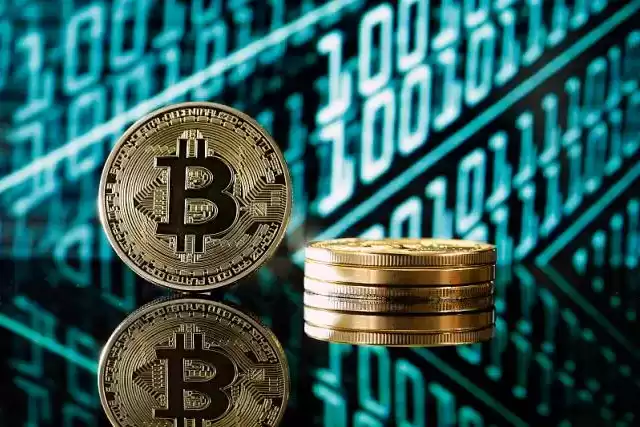
The cryptocurrency market has experienced a surge in popularity in recent years, with Bitcoin leading the charge as the most well-known and widely traded digital asset. As a result, traders and investors are increasingly seeking ways to capitalize on the potential profits offered by the Bitcoin market. Leveraged Bitcoin contracts, such as futures and options, provide a powerful tool for magnifying returns and potentially boosting profits.
Step 1: Understanding Leveraged Bitcoin ContractsLeveraged Bitcoin contracts are financial instruments that allow traders and investors to gain exposure to the Bitcoin market with a fraction of the capital required to trade the underlying asset directly. By using leverage, traders can amplify their potential profits, but they also increase their potential losses.
Futures contracts are standardized agreements to buy or sell Bitcoin at a predetermined price on a specific date in the future. Options contracts give the holder the right, but not the obligation, to buy or sell Bitcoin at a specified price within a defined period.
Step 2: Choosing a Regulated Exchange or BrokerWhen trading leveraged Bitcoin contracts, it is crucial to select a reputable and regulated exchange or broker. These platforms provide a secure and transparent environment for trading, ensuring the safety of your funds and the execution of your orders.
Step 3: Understanding Margin RequirementsWhen trading on margin, traders must maintain a certain level of collateral in their account, known as margin. The margin requirement varies depending on the exchange or broker, as well as the type of contract being traded. If the value of the underlying asset moves against your position and erodes your margin, you may receive a margin call, requiring you to add more funds to your account or face liquidation of your position.
Step 4: Managing Risk and Setting Leverage LevelsEffective risk management is paramount when trading leveraged Bitcoin contracts. Traders should only use leverage that they are comfortable with and fully understand. Setting appropriate leverage levels and using stop loss and take profit orders can help mitigate potential losses and protect your capital.
Step 5: Monitoring Market ConditionsContinuously monitoring market conditions, technical indicators, and news events can provide valuable insights into the direction of the Bitcoin market. Staying informed allows traders to make informed decisions and adjust their strategies accordingly.
Step 6: Understanding Trading StrategiesThere are numerous trading strategies that can be employed when using leveraged Bitcoin contracts. From scalping to swing trading and arbitrage, each strategy has its own risks and rewards. Traders should choose a strategy that aligns with their risk tolerance and financial goals.
Step 7: Utilizing Expert Advice or EducationNavigating the complexities of leveraged Bitcoin contracts can be daunting, especially for beginners. Consider seeking guidance from experienced traders or reputable educational resources. Webinars, courses, and online forums can provide valuable insights and help improve your trading skills.
Step 8: Managing Emotions and DisciplineTrading leveraged Bitcoin contracts can be an emotionally charged experience. Maintaining a disciplined approach and avoiding impulsive decisions is essential for long-term success. Following a trading plan and managing your emotions can help mitigate costly mistakes.
Disclaimer:info@kdj.com
The information provided is not trading advice. kdj.com does not assume any responsibility for any investments made based on the information provided in this article. Cryptocurrencies are highly volatile and it is highly recommended that you invest with caution after thorough research!
If you believe that the content used on this website infringes your copyright, please contact us immediately (info@kdj.com) and we will delete it promptly.






- XRP Price Prediction: Navigating Volatility and Unpacking Key Levels Amidst Shifting Market Tides
- 2026-09-19 12:45:01
- Binance New Listing, SWIFT 17 Banks, and Pepeto 100x Entry: The Next Wave in Crypto Finance
- 2026-09-19 09:00:02
- Lagarde, Binance, and the Greek Gambit: A High-Stakes EU Regulatory Standoff
- 2026-09-19 08:55:01
- MemeToro Crypto Presale Review: Public Code Aims for Trust, But Execution is Key for $MT Token
- 2026-09-19 08:35:01
- AVAX Price Surges as Avalanche Chain Embraces Tokenized Funds and Institutional Growth
- 2026-09-18 16:50:01
- Bank of Japan's Rate Hike: Yen, Bitcoin, and the Unwinding of Carry Trades
- 2026-09-18 12:50:01
Related knowledge

How to Check SOL Futures Volume and Open Interest?
Sep 14,2026 at 12:40am
Accessing SOL Futures Market Data1. Navigate to the official exchange platform where SOL perpetual or quarterly futures are listed, such as Bybit, OKX...

How to Check XRP Futures Volume and Open Interest?
Sep 15,2026 at 05:00am
Accessing Real-Time XRP Futures Data1. Visit major derivatives exchanges that list XRP perpetual and quarterly futures contracts, including Binance, B...

How to Check DOGE Futures Volume and Open Interest?
Sep 12,2026 at 08:39am
Understanding DOGE Futures Volume1. Futures volume refers to the total number of DOGE futures contracts traded within a specific time frame, usually m...
How to Check ETH Futures Volume and Open Interest?
Sep 16,2026 at 07:00pm
Accessing Real-Time ETH Futures Data1. Major centralized exchanges such as Binance, Bybit, and OKX provide live dashboards displaying ETH perpetual an...

How to Check BTC Futures Volume and Open Interest?
Sep 12,2026 at 03:19pm
Data Sources for BTC Futures Metrics1. CoinGlass API v4 delivers real-time funding rates, liquidation heatmaps, and granular open interest breakdowns ...

How to Read the DOGEUSDT Perpetual Contract Chart?
Sep 11,2026 at 07:19pm
Understanding Price Action on DOGEUSDT Perpetual Charts1. Candlestick formation reveals immediate market sentiment—green candles indicate buying domin...
How to Check SOL Futures Volume and Open Interest?
Sep 14,2026 at 12:40am
Accessing SOL Futures Market Data1. Navigate to the official exchange platform where SOL perpetual or quarterly futures are listed, such as Bybit, OKX...
How to Check XRP Futures Volume and Open Interest?
Sep 15,2026 at 05:00am
Accessing Real-Time XRP Futures Data1. Visit major derivatives exchanges that list XRP perpetual and quarterly futures contracts, including Binance, B...
How to Check DOGE Futures Volume and Open Interest?
Sep 12,2026 at 08:39am
Understanding DOGE Futures Volume1. Futures volume refers to the total number of DOGE futures contracts traded within a specific time frame, usually m...
How to Check ETH Futures Volume and Open Interest?
Sep 16,2026 at 07:00pm
Accessing Real-Time ETH Futures Data1. Major centralized exchanges such as Binance, Bybit, and OKX provide live dashboards displaying ETH perpetual an...
How to Check BTC Futures Volume and Open Interest?
Sep 12,2026 at 03:19pm
Data Sources for BTC Futures Metrics1. CoinGlass API v4 delivers real-time funding rates, liquidation heatmaps, and granular open interest breakdowns ...
How to Read the DOGEUSDT Perpetual Contract Chart?
Sep 11,2026 at 07:19pm
Understanding Price Action on DOGEUSDT Perpetual Charts1. Candlestick formation reveals immediate market sentiment—green candles indicate buying domin...
See all articles


