














-
 bitcoin
 $77146.398531 USD
-0.23% - ethereum
$2514.088317 USD
-0.37% - tether
$0.999674 USD
0.00% - bnb
$722.500739 USD
-1.34% - xrp
$1.361192 USD
-0.23% - usd-coin
$0.999776 USD
-0.01% - solana
$101.320251 USD
-0.42% - tron
$0.339801 USD
0.16% - hyperliquid
$78.899137 USD
-0.02% - zcash
$1141.149289 USD
-0.18% - dogecoin
$0.084480 USD
-0.05% - monero
$530.834712 USD
-1.66% - chainlink
$11.453705 USD
-0.73% - unus-sed-leo
$9.056535 USD
-0.61% - cardano
$0.207439 USD
-0.31%











What is cryptocurrency CFD?
Cryptocurrency CFDs provide a convenient platform for speculating on the price movements of cryptocurrencies without directly purchasing the assets, offering benefits like 24/7 trading and access to leverage.
Oct 08, 2024 at 10:33 am
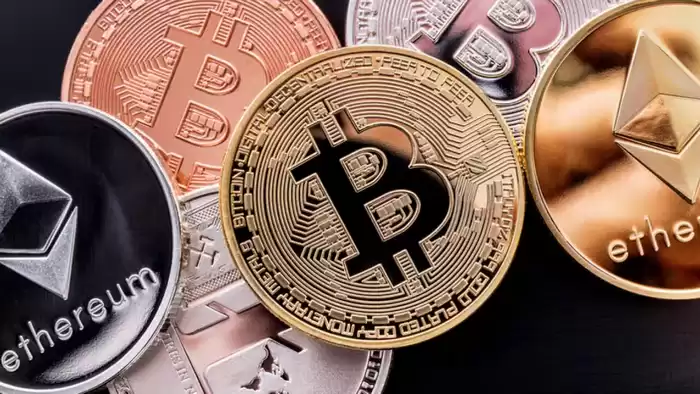
Cryptocurrency CFDs (Contracts for Difference) are financial derivatives that enable traders to speculate on the price movements of cryptocurrencies without purchasing the actual assets. CFDs derive their value from the underlying cryptocurrency, allowing traders to capitalize on market fluctuations without the complexities and risks associated with spot trading.
2. Understanding how CFDs WorkCFDs involve a contract between two parties, usually a trader and a broker. The trader agrees to exchange the difference between the current price of the cryptocurrency and its price at contract expiration. The broker acts as a market maker, providing liquidity and enabling traders to execute buy or sell orders according to their market expectations.
3. Benefits of Cryptocurrency CFDsConvenient trading: CFDs offer a convenient way to speculate on the crypto market without the hassle of managing private keys, crypto wallets, or exchange accounts.
Leverage: CFDs allow traders to access leverage, which amplifies potential profits but also increases risk.
Short-selling: Traders can profit from falling cryptocurrency prices by short-selling CFDs, which is not possible with spot trading.
24/7 trading: CFDs enable round-the-clock trading, even when cryptocurrency markets are closed for regular trading hours.
Price volatility: The crypto market is highly volatile, which can lead to rapid swings in CFD prices.
Leverage risk: Excessive leverage can magnify losses and result in significant financial harm.
Counterparty risk: The reliability and solvency of the broker are critical in CFD trading, as the contract is between the trader and the broker.
Different regulations: Cryptocurrency CFD regulations vary across jurisdictions, potentially exposing traders to legal uncertainties or financial risks.
Disclaimer:info@kdj.com
The information provided is not trading advice. kdj.com does not assume any responsibility for any investments made based on the information provided in this article. Cryptocurrencies are highly volatile and it is highly recommended that you invest with caution after thorough research!
If you believe that the content used on this website infringes your copyright, please contact us immediately (info@kdj.com) and we will delete it promptly.






- Japan, XRP, and the XRP Army: A Quiet Revolution in Global Finance?
- 2026-09-13 20:35:02
- Unconfirmed Buzz: Chainlink Whales, 10M LINK, and the 17% Correction – What's Really Going On?
- 2026-09-13 16:55:01
- Cardano Price Prediction, Analysis, and Movement: Navigating Market Volatility and Future Potential
- 2026-09-13 16:25:01
- Revolut Data Breach: Fake Government Requests Exploit Security Gaps, Exposing Customer Data
- 2026-09-13 09:00:02
- Blockstream, Liquid Network, Bitcoin: A Standoff Over 'Stolen' Funds
- 2026-09-13 08:35:01
- Ripple RLUSD Circulation Hits $2.4 Billion: A Closer Look at the Stablecoin's Trajectory
- 2026-09-13 04:50:01
Related knowledge

How to Check SOL Futures Volume and Open Interest?
Sep 14,2026 at 12:40am
Accessing SOL Futures Market Data1. Navigate to the official exchange platform where SOL perpetual or quarterly futures are listed, such as Bybit, OKX...

How to Check DOGE Futures Volume and Open Interest?
Sep 12,2026 at 08:39am
Understanding DOGE Futures Volume1. Futures volume refers to the total number of DOGE futures contracts traded within a specific time frame, usually m...

How to Check BTC Futures Volume and Open Interest?
Sep 12,2026 at 03:19pm
Data Sources for BTC Futures Metrics1. CoinGlass API v4 delivers real-time funding rates, liquidation heatmaps, and granular open interest breakdowns ...

How to Read the DOGEUSDT Perpetual Contract Chart?
Sep 11,2026 at 07:19pm
Understanding Price Action on DOGEUSDT Perpetual Charts1. Candlestick formation reveals immediate market sentiment—green candles indicate buying domin...

How to Read the ETHUSDT Futures Chart on Binance?
Sep 13,2026 at 05:20am
Bitcoin Halving Mechanics1. Every 210,000 blocks, the block reward for Bitcoin miners is cut in half. 2. This event occurs approximately every four ye...
How to Check Bitcoin Futures Funding Fee on Binance?
Sep 13,2026 at 06:00pm
Bitcoin Halving Mechanics1. Bitcoin’s protocol enforces a fixed issuance schedule where block rewards are cut in half approximately every 210,000 bloc...
How to Check SOL Futures Volume and Open Interest?
Sep 14,2026 at 12:40am
Accessing SOL Futures Market Data1. Navigate to the official exchange platform where SOL perpetual or quarterly futures are listed, such as Bybit, OKX...
How to Check DOGE Futures Volume and Open Interest?
Sep 12,2026 at 08:39am
Understanding DOGE Futures Volume1. Futures volume refers to the total number of DOGE futures contracts traded within a specific time frame, usually m...
How to Check BTC Futures Volume and Open Interest?
Sep 12,2026 at 03:19pm
Data Sources for BTC Futures Metrics1. CoinGlass API v4 delivers real-time funding rates, liquidation heatmaps, and granular open interest breakdowns ...
How to Read the DOGEUSDT Perpetual Contract Chart?
Sep 11,2026 at 07:19pm
Understanding Price Action on DOGEUSDT Perpetual Charts1. Candlestick formation reveals immediate market sentiment—green candles indicate buying domin...
How to Read the ETHUSDT Futures Chart on Binance?
Sep 13,2026 at 05:20am
Bitcoin Halving Mechanics1. Every 210,000 blocks, the block reward for Bitcoin miners is cut in half. 2. This event occurs approximately every four ye...
How to Check Bitcoin Futures Funding Fee on Binance?
Sep 13,2026 at 06:00pm
Bitcoin Halving Mechanics1. Bitcoin’s protocol enforces a fixed issuance schedule where block rewards are cut in half approximately every 210,000 bloc...
See all articles


