














-
 bitcoin
 $83957.731555 USD
1.09% - ethereum
$2707.672309 USD
2.28% - tether
$0.999601 USD
0.01% - bnb
$767.737573 USD
0.59% - xrp
$1.504228 USD
1.61% - usd-coin
$1.000070 USD
0.02% - solana
$119.467955 USD
0.71% - tron
$0.334923 USD
0.34% - zcash
$1422.665327 USD
-8.02% - hyperliquid
$88.309849 USD
-0.91% - dogecoin
$0.094847 USD
2.10% - chainlink
$15.113620 USD
9.67% - monero
$542.499853 USD
1.68% - cardano
$0.249405 USD
1.76% - unus-sed-leo
$9.063597 USD
-0.10%











Is the web3 wallet easy to be stolen
Despite the popularity of Web3 wallets for dApp interactions, concerns remain about their security due to vulnerabilities like non-custodial nature, online storage, and potential software bugs.
Oct 19, 2024 at 07:42 am
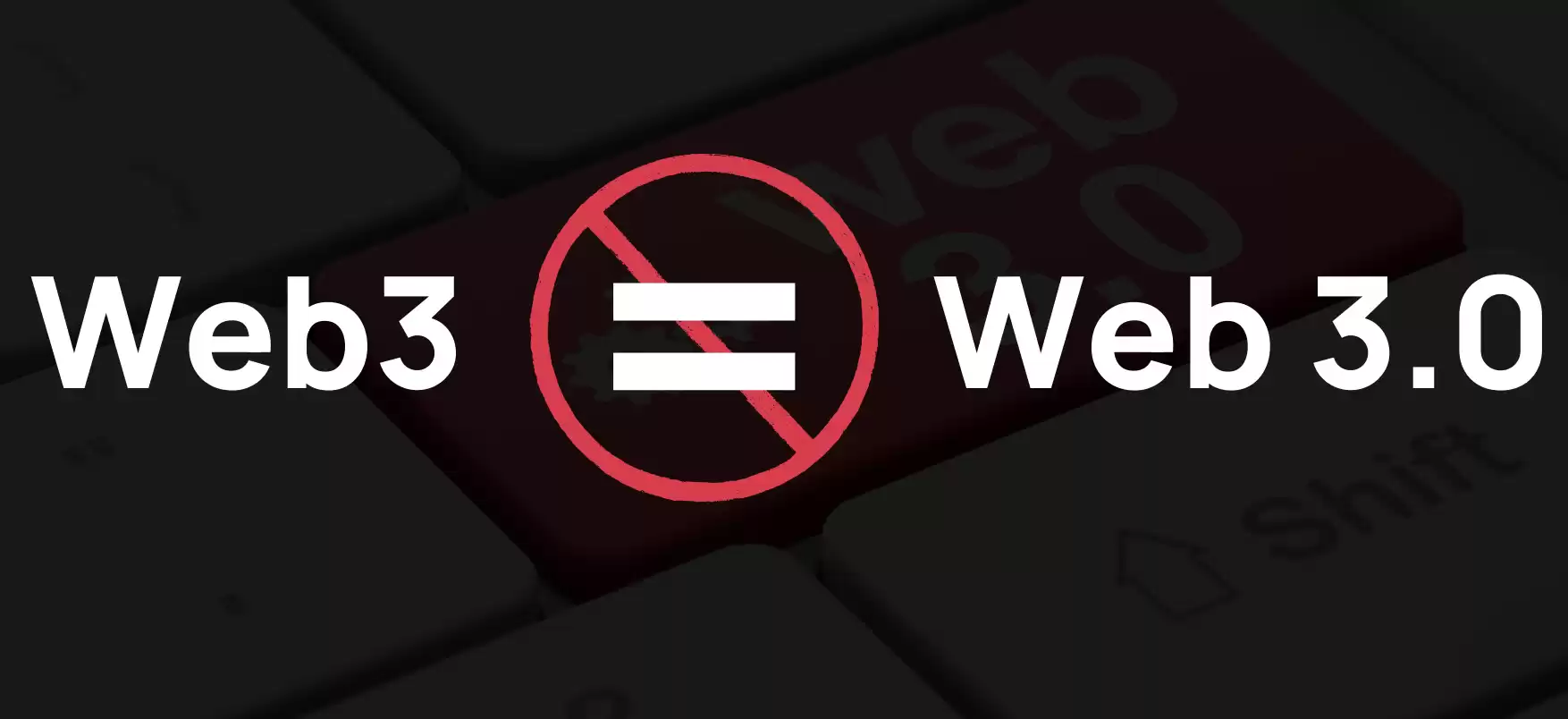
Is the Web3 Wallet Easy to Be Stolen?
With the advent of Web3, decentralized applications (dApps) have become increasingly popular. To interact with these dApps, users need a Web3 wallet to store their crypto assets and interact with the blockchain. However, there have been concerns about the security of these wallets, as they are often targeted by hackers.
There are a number of factors that make Web3 wallets vulnerable to theft. First, many of these wallets are non-custodial, meaning that the user is solely responsible for the security of their funds. This means that if a user's private key is compromised, their funds can be stolen.
Second, many Web3 wallets are stored online, which makes them vulnerable to hacking. Hackers can use phishing attacks to trick users into giving up their private keys, or they can exploit vulnerabilities in the wallet's software to gain access to users' funds.
Finally, some Web3 wallets are not well-developed and may contain bugs that can be exploited by hackers. This is especially true for new wallets that have not been thoroughly tested.
So, are Web3 wallets easy to be stolen? The answer is yes, but it depends on a number of factors, including the type of wallet, how it is stored, and how well it is developed. Users can take steps to protect their funds, such as using a hardware wallet, storing their wallet offline, and using a well-developed wallet from a reputable provider.
Here are some tips to help protect your Web3 wallet from theft:
- Use a hardware wallet. Hardware wallets are physical devices that store your private keys offline, making them much more difficult for hackers to access.
- Store your wallet offline. If you don't need to access your wallet, keep it offline in a safe place. This will make it much more difficult for hackers to steal your funds.
- Use a well-developed wallet from a reputable provider. There are a number of well-developed Web3 wallets available, such as MetaMask, Trust Wallet, and Coinbase Wallet. These wallets have been audited by security experts and have a good track record of protecting user funds.
- Use a strong password. Use a strong password to protect your Web3 wallet. Your password should be at least 12 characters long and include a mix of upper and lower case letters, numbers, and symbols.
- Enable two-factor authentication. Two-factor authentication adds an extra layer of security to your Web3 wallet. When you enable two-factor authentication, you will be required to enter a code from your phone or email in addition to your password when you log in to your wallet.
- Be aware of phishing attacks. Phishing attacks are attempts by hackers to trick you into giving up your private keys. Be wary of any emails or websites that ask you to enter your private keys.
- Keep your software up to date. Software updates often include security patches that can protect your Web3 wallet from theft. Keep your wallet software up to date to the latest version.
By following these tips, you can help protect your Web3 wallet from theft and keep your funds safe.
Disclaimer:info@kdj.com
The information provided is not trading advice. kdj.com does not assume any responsibility for any investments made based on the information provided in this article. Cryptocurrencies are highly volatile and it is highly recommended that you invest with caution after thorough research!
If you believe that the content used on this website infringes your copyright, please contact us immediately (info@kdj.com) and we will delete it promptly.






- LINK Price Surge: Chainlink Analysis and Prediction Fueled by CCIP 2.0 Launch
- 2026-09-29 12:55:02
- Robinhood Chain Sees Surge in Perps as Spot Trading Cools Amidst Broader Market Shifts
- 2026-09-29 12:55:02
- InterLink Users Can Now Spend ITL on Real-World Goods, Boosting ITL Usage
- 2026-09-29 13:00:01
- Robinhood, GameStop, and Sei: A New Era of Trading Infrastructure Unfolds
- 2026-09-29 13:00:01
- Quant Partnership Powers On-Chain Money, Hedera HBAR Surges Amidst Global Tokenization Push
- 2026-09-29 13:05:01
- Ethereum Transfers Get a Speed Boost: Chainlink's CCIP 2.0 Slashes Transfer Times, Enhancing Fast Ethereum Transfers and Overall Ethereum Transfer Speed
- 2026-09-29 13:05:02
Related knowledge

What Is DAI and How Is It Different From USDT?
Sep 08,2026 at 05:00pm
Market Volatility Patterns1. Price swings exceeding 15% within a 24-hour window have occurred in over 68% of Bitcoin’s trading days since 2021. 2. Eth...
USDT, USDC and DAI: How Are These Stablecoins Different?
Sep 20,2026 at 05:59am
Bitcoin Halving Mechanics1. Bitcoin’s protocol enforces a fixed issuance schedule where block rewards are cut in half approximately every 210,000 bloc...

Why Can a Stablecoin Lose Its $1 Peg?
Sep 08,2026 at 02:00am
Reserve Composition and Transparency Gaps1. Many stablecoins claim to be fully backed by cash or short-duration US Treasuries, yet reserve disclosures...
What Is a Crypto Stablecoin Depeg?
Sep 24,2026 at 04:39pm
Definition and Mechanism of Depegging1. A crypto stablecoin depeg occurs when the market price of a stablecoin deviates significantly from its intende...

What Is Self-Custody in Crypto and Why Does It Matter?
Sep 10,2026 at 04:19am
Definition and Core Mechanics1. Self-custody refers to the practice where individuals retain full control over their private keys without delegating t...

Custodial vs Non-Custodial Wallets: What’s the Difference?
Sep 17,2026 at 03:19am
Custodial Wallets Defined1. A custodial wallet is a digital asset storage solution where a third-party service provider holds and manages users’ priva...
What Is DAI and How Is It Different From USDT?
Sep 08,2026 at 05:00pm
Market Volatility Patterns1. Price swings exceeding 15% within a 24-hour window have occurred in over 68% of Bitcoin’s trading days since 2021. 2. Eth...
USDT, USDC and DAI: How Are These Stablecoins Different?
Sep 20,2026 at 05:59am
Bitcoin Halving Mechanics1. Bitcoin’s protocol enforces a fixed issuance schedule where block rewards are cut in half approximately every 210,000 bloc...
Why Can a Stablecoin Lose Its $1 Peg?
Sep 08,2026 at 02:00am
Reserve Composition and Transparency Gaps1. Many stablecoins claim to be fully backed by cash or short-duration US Treasuries, yet reserve disclosures...
What Is a Crypto Stablecoin Depeg?
Sep 24,2026 at 04:39pm
Definition and Mechanism of Depegging1. A crypto stablecoin depeg occurs when the market price of a stablecoin deviates significantly from its intende...
What Is Self-Custody in Crypto and Why Does It Matter?
Sep 10,2026 at 04:19am
Definition and Core Mechanics1. Self-custody refers to the practice where individuals retain full control over their private keys without delegating t...
Custodial vs Non-Custodial Wallets: What’s the Difference?
Sep 17,2026 at 03:19am
Custodial Wallets Defined1. A custodial wallet is a digital asset storage solution where a third-party service provider holds and manages users’ priva...
See all articles


