














-
 bitcoin
$76624.373304 USD
-1.79% - ethereum
$2250.136487 USD
-1.36% - tether
$0.998277 USD
-0.04% - bnb
$691.737526 USD
-2.23% - xrp
$1.250415 USD
0.10% - usd-coin
$0.999636 USD
-0.01% - solana
$91.769993 USD
-2.60% - tron
$0.320718 USD
1.77% - hyperliquid
$83.540560 USD
-2.42% - zcash
$1129.534445 USD
-10.74% - dogecoin
$0.073771 USD
-2.08% - monero
$615.670132 USD
1.37% - unus-sed-leo
$9.294663 USD
-1.19% - chainlink
$11.068406 USD
-2.21% - cardano
$0.186724 USD
-2.00%











What Is a Beacon Chain?
Beacon chains, a critical component of Ethereum 2.0, are specialized blockchains responsible for coordinating operations and ensuring the smooth functioning of the network.
Oct 18, 2024 at 03:36 am
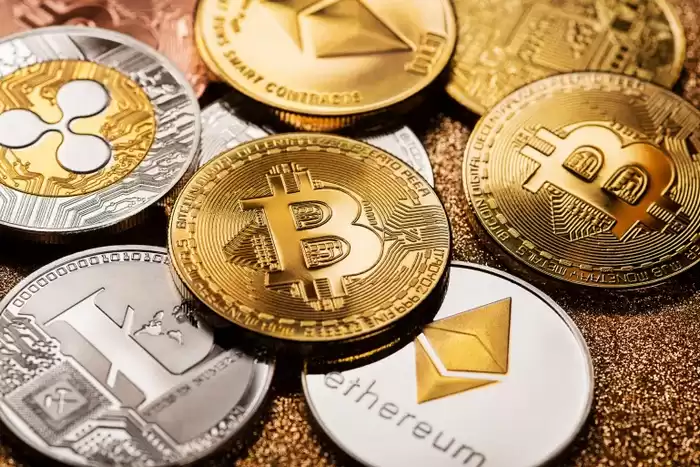
What Is a Beacon Chain?
A blockchain is a distributed database that is used to maintain a continuously growing list of records, called blocks. Each block contains a timestamp, a transaction list, and a reference to the previous block. Blockchains are secure because they are designed to be resistant to modification of the data stored in them.
Beacon chains are a type of blockchain that are used to coordinate the operation of other blockchains. Beacon chains are responsible for maintaining the network's clock, proposing new blocks, and validating blocks created by other nodes. Ethereum 2.0 is one example of a blockchain that uses a beacon chain. A simple analogy would be to think of the beacon chain as the air traffic control tower in the Ethereum 2.0 sharding scheme.
Beacon chains are designed to be scalable, secure, and efficient. They are scalable because they can handle a large number of transactions per second. They are secure because they use a proof-of-stake consensus mechanism, which makes them resistant to attack. They are efficient because they use a sharding scheme to distribute the load across multiple nodes.
Beacon chains are a new and innovative type of blockchain that has the potential to revolutionize the way we use blockchains. They have a long way to go before they reach maturity, but they have the potential to bring the benefits of blockchain to new applications and industries. It is an important component of the Ethereum 2.0 upgrade, which is expected to bring a number of benefits to the Ethereum network, including increased scalability, security, and efficiency. With beacon technology still in its early stages, it holds the promise of making the Ethereum network more user-friendly and accessible. As development continues, it will be exciting to see how beacon chains evolve and are applied in the future.
Disclaimer:info@kdj.com
The information provided is not trading advice. kdj.com does not assume any responsibility for any investments made based on the information provided in this article. Cryptocurrencies are highly volatile and it is highly recommended that you invest with caution after thorough research!
If you believe that the content used on this website infringes your copyright, please contact us immediately (info@kdj.com) and we will delete it promptly.






- US Midterms, Prediction Markets & Crypto Races: A High-Stakes Wager on Washington's Future
- 2026-11-04 04:30:22
- Digital Assets, Global Finance, and AI: Navigating the Next Frontier at DavosWeb3 and Beyond
- 2026-11-04 04:30:22
- Avalanche AVAX Price Dips Amid Broader Market Woes; Institutional Interest Remains Strong
- 2026-11-03 12:35:02
- Why Is Quant Price Down? A Deep Dive into QNT's Recent Slide Amidst Market Jitters
- 2026-11-03 12:55:01
- Egrag Crypto's XRP Price Chart Analysis: Are You Ready for the 'Biggest Wave 3'?
- 2026-11-03 01:15:01
- Bed Bath & Beyond's Parent Company Backs tZERO's $350 Million Valuation SPAC Deal: What New Yorkers Need to Know
- 2026-11-03 01:15:01
Related knowledge
What Is DAI and How Is It Different From USDT?
Sep 08,2026 at 05:00pm
Market Volatility Patterns1. Price swings exceeding 15% within a 24-hour window have occurred in over 68% of Bitcoin’s trading days since 2021. 2. Eth...
USDT, USDC and DAI: How Are These Stablecoins Different?
Sep 20,2026 at 05:59am
Bitcoin Halving Mechanics1. Bitcoin’s protocol enforces a fixed issuance schedule where block rewards are cut in half approximately every 210,000 bloc...
Why Can a Stablecoin Lose Its $1 Peg?
Sep 08,2026 at 02:00am
Reserve Composition and Transparency Gaps1. Many stablecoins claim to be fully backed by cash or short-duration US Treasuries, yet reserve disclosures...
What Is a Crypto Stablecoin Depeg?
Sep 24,2026 at 04:39pm
Definition and Mechanism of Depegging1. A crypto stablecoin depeg occurs when the market price of a stablecoin deviates significantly from its intende...
What Is Self-Custody in Crypto and Why Does It Matter?
Sep 10,2026 at 04:19am
Definition and Core Mechanics1. Self-custody refers to the practice where individuals retain full control over their private keys without delegating t...
Custodial vs Non-Custodial Wallets: What’s the Difference?
Sep 17,2026 at 03:19am
Custodial Wallets Defined1. A custodial wallet is a digital asset storage solution where a third-party service provider holds and manages users’ priva...
What Is DAI and How Is It Different From USDT?
Sep 08,2026 at 05:00pm
Market Volatility Patterns1. Price swings exceeding 15% within a 24-hour window have occurred in over 68% of Bitcoin’s trading days since 2021. 2. Eth...
USDT, USDC and DAI: How Are These Stablecoins Different?
Sep 20,2026 at 05:59am
Bitcoin Halving Mechanics1. Bitcoin’s protocol enforces a fixed issuance schedule where block rewards are cut in half approximately every 210,000 bloc...
Why Can a Stablecoin Lose Its $1 Peg?
Sep 08,2026 at 02:00am
Reserve Composition and Transparency Gaps1. Many stablecoins claim to be fully backed by cash or short-duration US Treasuries, yet reserve disclosures...
What Is a Crypto Stablecoin Depeg?
Sep 24,2026 at 04:39pm
Definition and Mechanism of Depegging1. A crypto stablecoin depeg occurs when the market price of a stablecoin deviates significantly from its intende...
What Is Self-Custody in Crypto and Why Does It Matter?
Sep 10,2026 at 04:19am
Definition and Core Mechanics1. Self-custody refers to the practice where individuals retain full control over their private keys without delegating t...
Custodial vs Non-Custodial Wallets: What’s the Difference?
Sep 17,2026 at 03:19am
Custodial Wallets Defined1. A custodial wallet is a digital asset storage solution where a third-party service provider holds and manages users’ priva...
See all articles


