









 |
|
 |
|
 |
|
 |
|
 |
|
 |
|
 |
|
 |
|
 |
|
 |
|
 |
|
 |
|
 |
|
 |
|
 |
|
Cryptocurrency News Articles
Pi Coin: While the Timeline for Its Evolution Is Testing the Patience and Faith of Its Community, Is It All Going to Be Worth It in the End?
Jan 10, 2025 at 11:33 am
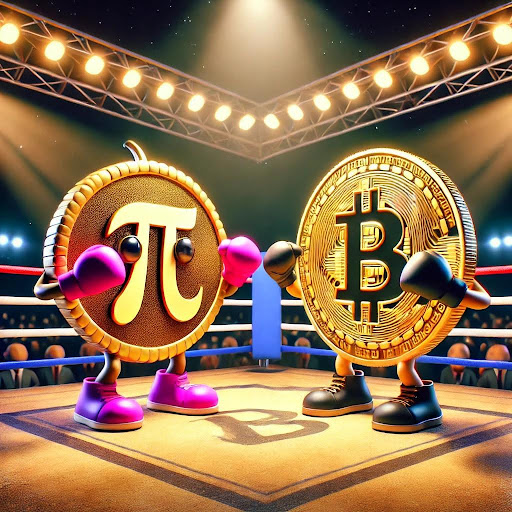
Pi Coin’s Slow Evolution: Is It Worth the Wait?
Pi Network, known for its mobile mining app, has reportedly crossed the 60 million user mark by 2024. This massive community is a result of the user-friendly approach and mobile mining model employed by Pi. However, the缓慢的时间表 for Pi Coin’s evolution has been testing the patience and faith of its community.
Early adopters of Pi Coin likely hold tens of thousands of coins due to the higher mining rates at the beginning. Later joiners experienced slower mining rates as the network expanded and mining rates dropped.
This disproportionate distribution of coins could pose challenges in the future because early adopters obtained their coins for free through a few clicks on their phones each day, without any investment or risk. As a result, they may be more inclined to cash out immediately once the coins become tradable, especially if the initial price is higher than their expectations.
Despite this, many Pi coin miners claim to have earned the coins by mining them. However, it’s important to note that Pi coin “mobile-phone” mining is purely for entertainment and engagement. It does not involve any actual block chain mining, where users contribute to the blockchain’s security by solving cryptographic puzzles.
Pi coin has recently introduced a way to actually mine their coins with a computer and their node software, which begs the question: what is everyone mining on their phones then? The answer is, thin air. They aren’t mining anything. What they’re doing is creating a community of people interested in the coin which is basically what determines the value of every crypto currency. A couple of years ago we posted an article titled “Is Bitcoin backed by anything real?” and in it we explained how it’s the users and technology that inherently set the value of crypto.
If you’ve been mining Pi coins with your phone this doesn’t mean your coins aren’t Pi coins, it just means you were rewarded with them for your participation and haven’t mined them in the traditional sense of the word. If Pi can deliver on its promises, however, that’s not necessarily a bad thing.
Pi Network’s “big move” to Mainnet is a (proposed) huge step that could finally make Pi Coins valuable in the real world. Currently, everything stays within the app, including mining, transactions, and all other activity.
The shift to Mainnet will change that by connecting Pi to the broader cryptocurrency ecosystem. Users will finally be able to transfer their Pi Coins to external wallets, spend them in real-world transactions, or trade them on exchanges, if Pi gets listed.
While Pi coins can’t be traded yet, the owners seem to have found clever ways to profit from the app. Millions of users reportedly log in weekly to “mine” Pi by pressing a button, all while being served ads. With such a massive user base, ad revenue could be a major income source for Pi Network, though ads might only be the tip of the iceberg.
The bigger concern here, of course, is user data. During sign up, users agree to share a whole range of personal information, including browsing history, chat messages, location data, contact lists, and more. Additionally, the new KYC process requires government IDs and selfies, which could make the Pi database a goldmine for data brokers.
All that personal information for tokens that, legally speaking, are still just like video game points, seems a bit much. The phrase “if something is free, you are the product,” comes to mind, especially since the Pi Network is now serving its users with ads.
Think about it, if they do transition to Mainnet, there is always the risk that people will cash out millions of coins immediately, crashing the value and causing people to leave the network. That would mean no more income from ads or user data. That’s a big incentive to just keep people on the hook for as long as possible or at least till there are measures in place to minimize the impact of a mass cash out.
Those measures could include giving users real incentives to not sell their coins, restricting how many coins can be traded initially, and creating an ecosystem where Pi coins can be spent instead of sold.
In conclusion, while the odds of Pi Coin becoming the next Bitcoin are low, it doesn’t need to replace Bitcoin to be successful. By addressing gaps in the crypto market like accessibility, environmental sustainability, and everyday usability, it’s already attracted millions of users who otherwise probably wouldn’t even bother with crypto. While that’s a hell of a start, they still need to sell their first actual token to be considered in the same league as Bitcoin or Ethereum or any of the other actual crypto currencies out there.
Disclaimer:info@kdj.com
The information provided is not trading advice. kdj.com does not assume any responsibility for any investments made based on the information provided in this article. Cryptocurrencies are highly volatile and it is highly recommended that you invest with caution after thorough research!
If you believe that the content used on this website infringes your copyright, please contact us immediately (info@kdj.com) and we will delete it promptly.
-

-
-
- Securitize Stock Soars on StoneX Target Hike and Innovative Platform Launch
- Oct 13, 2026 at 07:55 am
- Securitize's new tokenized stock platform, Securitize Stocks, has propelled its shares and led StoneX to significantly raise its price target, signaling a new era for digital assets in traditional markets.
-
- Bitcoin, CPI Week, and Pepeto: Navigating Market Volatility for Potential Gains
- Oct 13, 2026 at 04:05 am
- As CPI week approaches, the crypto market holds its breath. Bitcoin hovers near key resistance levels, while the innovative Pepeto presale offers a different path to potential returns, attracting early adopters seeking significant growth.
-
- Kaspa Founder, Kaspa Community, Growing Criticism: The Silent Scientist vs. The Roaring Crowd
- Oct 13, 2026 at 04:05 am
- Amidst rising criticism, Kaspa founder Yonatan Sompolinsky's silence is viewed by supporters as a strategic strength, drawing more attention to the project and its robust technical foundations.
-
- Uniswap's Unichain Embraces OP Enterprise for a Supercharged Future in Interoperability
- Oct 13, 2026 at 04:05 am
- Uniswap's Unichain is making a strategic move to OP Enterprise, aiming for native interoperability within the Optimism Superchain, with key migration dates set for October 2026. This upgrade signals a future of seamless cross-chain asset flows and enhanced developer opportunities.
-
- Hardware Wallets & Crypto Security: Navigating the Shifting Sands of Digital Custody in NYC
- Oct 13, 2026 at 03:59 am
- Recent hardware wallet compromises, particularly the Ledger incident, have ignited a crucial debate in the crypto world: are self-custody devices truly safer than exchange-traded funds (ETFs)? This news release delves into the evolving landscape of crypto security, supply chain vulnerabilities, and the ongoing quest for robust digital asset protection, all with a nod to the savvy New Yorker.
-
-
- DeepSeek Invests Big in Robot Brains with Ex-Tencent Scientist's Startup
- Oct 13, 2026 at 03:55 am
- DeepSeek is leading a seed round for Winverse AI, a robotics startup founded by an ex-Tencent scientist, signaling a major push into real-world AI applications and a competitive move in the robotics space.


