









 |
|
 |
|
 |
|
 |
|
 |
|
 |
|
 |
|
 |
|
 |
|
 |
|
 |
|
 |
|
 |
|
 |
|
 |
|
Nachrichtenartikel zu Kryptowährungen
Pi Coin: While the Timeline for Its Evolution Is Testing the Patience and Faith of Its Community, Is It All Going to Be Worth It in the End?
Jan 10, 2025 at 11:33 am
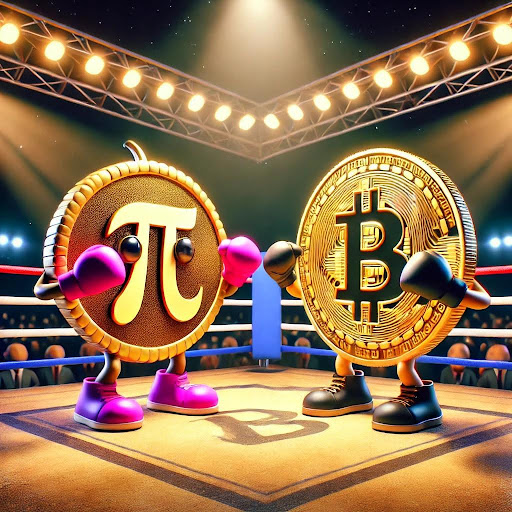
Pi Coin’s Slow Evolution: Is It Worth the Wait?
Pi Network, known for its mobile mining app, has reportedly crossed the 60 million user mark by 2024. This massive community is a result of the user-friendly approach and mobile mining model employed by Pi. However, the缓慢的时间表 for Pi Coin’s evolution has been testing the patience and faith of its community.
Early adopters of Pi Coin likely hold tens of thousands of coins due to the higher mining rates at the beginning. Later joiners experienced slower mining rates as the network expanded and mining rates dropped.
This disproportionate distribution of coins could pose challenges in the future because early adopters obtained their coins for free through a few clicks on their phones each day, without any investment or risk. As a result, they may be more inclined to cash out immediately once the coins become tradable, especially if the initial price is higher than their expectations.
Despite this, many Pi coin miners claim to have earned the coins by mining them. However, it’s important to note that Pi coin “mobile-phone” mining is purely for entertainment and engagement. It does not involve any actual block chain mining, where users contribute to the blockchain’s security by solving cryptographic puzzles.
Pi coin has recently introduced a way to actually mine their coins with a computer and their node software, which begs the question: what is everyone mining on their phones then? The answer is, thin air. They aren’t mining anything. What they’re doing is creating a community of people interested in the coin which is basically what determines the value of every crypto currency. A couple of years ago we posted an article titled “Is Bitcoin backed by anything real?” and in it we explained how it’s the users and technology that inherently set the value of crypto.
If you’ve been mining Pi coins with your phone this doesn’t mean your coins aren’t Pi coins, it just means you were rewarded with them for your participation and haven’t mined them in the traditional sense of the word. If Pi can deliver on its promises, however, that’s not necessarily a bad thing.
Pi Network’s “big move” to Mainnet is a (proposed) huge step that could finally make Pi Coins valuable in the real world. Currently, everything stays within the app, including mining, transactions, and all other activity.
The shift to Mainnet will change that by connecting Pi to the broader cryptocurrency ecosystem. Users will finally be able to transfer their Pi Coins to external wallets, spend them in real-world transactions, or trade them on exchanges, if Pi gets listed.
While Pi coins can’t be traded yet, the owners seem to have found clever ways to profit from the app. Millions of users reportedly log in weekly to “mine” Pi by pressing a button, all while being served ads. With such a massive user base, ad revenue could be a major income source for Pi Network, though ads might only be the tip of the iceberg.
The bigger concern here, of course, is user data. During sign up, users agree to share a whole range of personal information, including browsing history, chat messages, location data, contact lists, and more. Additionally, the new KYC process requires government IDs and selfies, which could make the Pi database a goldmine for data brokers.
All that personal information for tokens that, legally speaking, are still just like video game points, seems a bit much. The phrase “if something is free, you are the product,” comes to mind, especially since the Pi Network is now serving its users with ads.
Think about it, if they do transition to Mainnet, there is always the risk that people will cash out millions of coins immediately, crashing the value and causing people to leave the network. That would mean no more income from ads or user data. That’s a big incentive to just keep people on the hook for as long as possible or at least till there are measures in place to minimize the impact of a mass cash out.
Those measures could include giving users real incentives to not sell their coins, restricting how many coins can be traded initially, and creating an ecosystem where Pi coins can be spent instead of sold.
In conclusion, while the odds of Pi Coin becoming the next Bitcoin are low, it doesn’t need to replace Bitcoin to be successful. By addressing gaps in the crypto market like accessibility, environmental sustainability, and everyday usability, it’s already attracted millions of users who otherwise probably wouldn’t even bother with crypto. While that’s a hell of a start, they still need to sell their first actual token to be considered in the same league as Bitcoin or Ethereum or any of the other actual crypto currencies out there.
Haftungsausschluss:info@kdj.com
Die bereitgestellten Informationen stellen keine Handelsberatung dar. kdj.com übernimmt keine Verantwortung für Investitionen, die auf der Grundlage der in diesem Artikel bereitgestellten Informationen getätigt werden. Kryptowährungen sind sehr volatil und es wird dringend empfohlen, nach gründlicher Recherche mit Vorsicht zu investieren!
Wenn Sie glauben, dass der auf dieser Website verwendete Inhalt Ihr Urheberrecht verletzt, kontaktieren Sie uns bitte umgehend (info@kdj.com) und wir werden ihn umgehend löschen.
-

- Das Urteil eines britischen Gerichts löst Wellen aus: Wem gehören die Gewinne aus gestohlenen BTC?
- Oct 13, 2026 at 12:05 pm
- Ein aktuelles Urteil eines britischen Gerichts zu 61.000 Bitcoin-Ansprüchen hat eine entscheidende Debatte entfacht: Wer hat Anspruch auf die Gewinne, wenn gestohlene Kryptowährungen an Wert gewinnen? Diese Entscheidung könnte die Eigentumsrechte für Betrugsopfer neu definieren.
-
- Standard Chartered Taps XRP Ledger für RLUSD-Verwahrung, was institutionelle Akzeptanz signalisiert
- Oct 13, 2026 at 12:05 pm
- Standard Chartered bietet jetzt Verwahrungsdienste für RLUSD im XRP-Ledger an, was einen bedeutenden institutionellen Schritt für Ripples Stablecoin und das XRPL-Ökosystem darstellt.
-
- Securitize-Aktien steigen aufgrund der Zielerhöhung von StoneX und der Einführung einer innovativen Plattform
- Oct 13, 2026 at 07:55 am
- Die neue tokenisierte Aktienplattform von Securitize, Securitize Stocks, hat den Aktienkurs vorangetrieben und dazu geführt, dass StoneX sein Kursziel deutlich angehoben hat, was eine neue Ära für digitale Vermögenswerte auf traditionellen Märkten einläutet.
-
- Bitcoin, CPI Week und Pepeto: Marktvolatilität steuern, um potenzielle Gewinne zu erzielen
- Oct 13, 2026 at 04:05 am
- Während die CPI-Woche näher rückt, hält der Kryptomarkt den Atem an. Bitcoin bewegt sich in der Nähe wichtiger Widerstandsniveaus, während der innovative Pepeto-Vorverkauf einen anderen Weg zu potenziellen Renditen bietet und Early Adopters anzieht, die ein deutliches Wachstum anstreben.
-
- Kaspa-Gründer, Kaspa-Gemeinschaft, wachsende Kritik: Der stille Wissenschaftler vs. die brüllende Menge
- Oct 13, 2026 at 04:05 am
- Angesichts der zunehmenden Kritik wird das Schweigen des Kaspa-Gründers Yonatan Sompolinsky von den Befürwortern als strategische Stärke angesehen, die mehr Aufmerksamkeit auf das Projekt und seine robusten technischen Grundlagen lenkt.
-
- Unichain von Uniswap unterstützt OP Enterprise für eine dynamische Zukunft der Interoperabilität
- Oct 13, 2026 at 04:05 am
- Unichain von Uniswap macht einen strategischen Schritt zu OP Enterprise und strebt eine native Interoperabilität innerhalb der Optimism Superchain an. Die wichtigsten Migrationstermine sind für Oktober 2026 festgelegt. Dieses Upgrade signalisiert eine Zukunft mit nahtlosen kettenübergreifenden Asset-Flows und verbesserten Entwicklermöglichkeiten.
-
- Hardware-Wallets und Krypto-Sicherheit: Navigieren durch die wechselnden Sandstrände der digitalen Verwahrung in NYC
- Oct 13, 2026 at 03:59 am
- Die jüngsten Kompromisse bei Hardware-Wallets, insbesondere der Ledger-Vorfall, haben eine entscheidende Debatte in der Welt der Kryptowährungen entfacht: Sind Self-Custody-Geräte wirklich sicherer als Exchange Traded Funds (ETFs)? Diese Pressemitteilung befasst sich mit der sich entwickelnden Landschaft der Kryptosicherheit, Schwachstellen in der Lieferkette und dem anhaltenden Streben nach einem robusten Schutz digitaler Vermögenswerte, alles mit einer Anspielung auf den klugen New Yorker.
-
-
- DeepSeek investiert mit dem Startup eines ehemaligen Tencent-Wissenschaftlers groß in Robotergehirne
- Oct 13, 2026 at 03:55 am
- DeepSeek leitet eine Seed-Runde für Winverse AI, ein Robotik-Startup, das von einem ehemaligen Tencent-Wissenschaftler gegründet wurde, und signalisiert damit einen großen Vorstoß in reale KI-Anwendungen und einen Wettbewerbsschritt im Robotikbereich.


