


















-
 bitcoin
 $83008.406489 USD
-1.46% - ethereum
$2568.620758 USD
-1.89% - tether
$0.999392 USD
-0.03% - bnb
$769.291656 USD
0.17% - xrp
$1.405452 USD
-4.72% - usd-coin
$0.999852 USD
0.00% - solana
$115.319071 USD
-2.99% - tron
$0.334852 USD
0.52% - hyperliquid
$87.220586 USD
-4.42% - zcash
$1242.756060 USD
-6.27% - dogecoin
$0.087629 USD
-3.55% - monero
$554.338621 USD
-2.76% - chainlink
$13.126025 USD
-4.86% - cardano
$0.252798 USD
-1.77% - unus-sed-leo
$8.913810 USD
0.43%










Web3 wallets and exchange accounts, which is safer and more convenient
For novice crypto enthusiasts seeking user-friendliness, exchange accounts offer convenient on-ramps, while Web3 wallets empower experienced users with unparalleled control and security.
Oct 22, 2024 at 08:00 am
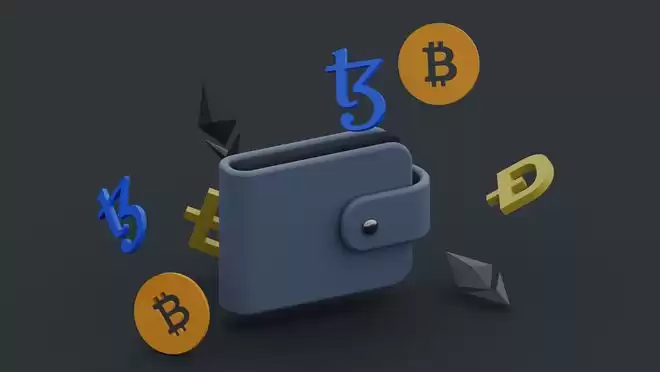
Web3 Wallet vs. Exchange Account: Convenience, Security, and Control
The rise of Web3 has ushered in a new era of financial empowerment, granting users unprecedented control over their assets. However, choosing between storing funds in a Web3 wallet or an exchange account can be a daunting task, each option presenting its own set of advantages and drawbacks. This article aims to shed light on the key differences between these two options, helping you make an informed decision based on your specific needs.
Convenience
Exchange Accounts: Exchange accounts offer a seamless and beginner-friendly experience. With most major exchanges like OKX and Binance providing intuitive interfaces and customer support, even novices can navigate them with ease.
Web3 Wallets: Web3 wallets can be more complex to use, especially for first-timers. They require a deeper understanding of blockchain technology and seed phrase management. However, once set up, they provide users with complete control over their assets.
Security
Exchange Accounts: Exchange accounts have robust security measures in place, including two-factor authentication (2FA), IP whitelisting, and cold storage for the bulk of users' funds. However, they are centralized entities, which means that they have access to user assets and can be prone to hacks or regulatory actions.
Web3 Wallets: Web3 wallets prioritize security through decentralization. They provide users with full custody of their private keys, eliminating the risk of third-party intervention. However, this also means that users bear sole responsibility for securing their wallets and recovering lost assets in case of compromised keys.
Control
Exchange Accounts: Exchange accounts offer limited control over user assets. Users cannot withdraw funds directly to their own wallets or participate in decentralized applications (dApps) without going through the exchange's intermediary.
Web3 Wallets: Web3 wallets empower users with complete control over their funds. They can withdraw, send, and receive cryptocurrencies directly to and from any supported address. Additionally, they provide access to a wide range of dApps, expanding the possibilities for investing, lending, and earning.
Conclusion
The choice between a Web3 wallet and an exchange account ultimately depends on your individual preferences and risk tolerance. If you prioritize convenience and ease of use, an exchange account may be a suitable option. However, if you value security and complete control over your assets, a Web3 wallet offers a more decentralized and self-custodial solution.
Disclaimer:info@kdj.com
The information provided is not trading advice. kdj.com does not assume any responsibility for any investments made based on the information provided in this article. Cryptocurrencies are highly volatile and it is highly recommended that you invest with caution after thorough research!
If you believe that the content used on this website infringes your copyright, please contact us immediately (info@kdj.com) and we will delete it promptly.






- US Government's $103 Million BTC, BNB Transfers Fuel Sell-Off Speculation, But Hold Your Horses!
- 2026-10-08 16:45:01
- Peter Thiel's Founders Fund Fuels 60% Surge in Anvil's ANVL Token: A New Era for DeFi Collateral?
- 2026-10-08 16:35:01
- Tether and Kazakhstan Forge Ahead: Exploring Stablecoins and Digital Finance in Central Asia
- 2026-10-08 08:22:03
- XRP Gets a Huge Green Light: Market Strategist Points to Nasdaq Listing and Regulatory Clarity
- 2026-10-08 07:33:17
- Uncle Sam's Crypto Shuffle: Bitcoin, Coinbase Prime, and Seized Assets Stir the Pot
- 2026-10-08 07:09:20
- Zcash ETF Bleeds: Price Action Signals Institutional Chill Amidst $59 Million Outflows
- 2026-10-07 09:52:04
Related knowledge
How to Transfer Bitcoin From SafePal to Ledger for Long-Term Cold Storage?
Oct 03,2026 at 02:19am
Preparation Before Transfer1. Verify that your SafePal wallet is fully updated and supports exporting private keys or signing transactions offline. 2....
How to Connect SafePal Wallet to a New DeFi Platform and Review Transaction Permissions?
Oct 08,2026 at 08:19am
Connecting SafePal Wallet to a DeFi Platform1. Open the SafePal mobile application and ensure it is updated to version 4.8.2 or higher. 2. Navigate to...
How to Restore a SafePal Wallet With Your Recovery Phrase After Reinstalling the App?
Oct 05,2026 at 11:40pm
Understanding SafePal Wallet Recovery Mechanics1. SafePal wallets rely exclusively on BIP-39 standard mnemonic phrases for deterministic key derivatio...
How to Send XRP From Atomic Wallet With the Correct Destination Tag?
Oct 06,2026 at 04:00am
Understanding Destination Tags in XRP Transactions1. A destination tag is a numeric identifier used exclusively within the XRP Ledger to route payment...
How to Fix an Atomic Wallet Exchange That Remains Pending After Confirmation?
Oct 05,2026 at 04:40pm
Bitcoin Halving Mechanics1. Bitcoin’s protocol enforces a fixed supply cap of 21 million coins, with new coins introduced through block rewards. 2. Ev...
How to Find Your Atomic Wallet Private Key for Transferring Assets to Another Wallet?
Oct 08,2026 at 03:59pm
Market Volatility Patterns1. Bitcoin price swings often exceed 10% within a 24-hour window during high-liquidity events such as ETF approval announcem...
How to Transfer Bitcoin From SafePal to Ledger for Long-Term Cold Storage?
Oct 03,2026 at 02:19am
Preparation Before Transfer1. Verify that your SafePal wallet is fully updated and supports exporting private keys or signing transactions offline. 2....
How to Connect SafePal Wallet to a New DeFi Platform and Review Transaction Permissions?
Oct 08,2026 at 08:19am
Connecting SafePal Wallet to a DeFi Platform1. Open the SafePal mobile application and ensure it is updated to version 4.8.2 or higher. 2. Navigate to...
How to Restore a SafePal Wallet With Your Recovery Phrase After Reinstalling the App?
Oct 05,2026 at 11:40pm
Understanding SafePal Wallet Recovery Mechanics1. SafePal wallets rely exclusively on BIP-39 standard mnemonic phrases for deterministic key derivatio...
How to Send XRP From Atomic Wallet With the Correct Destination Tag?
Oct 06,2026 at 04:00am
Understanding Destination Tags in XRP Transactions1. A destination tag is a numeric identifier used exclusively within the XRP Ledger to route payment...
How to Fix an Atomic Wallet Exchange That Remains Pending After Confirmation?
Oct 05,2026 at 04:40pm
Bitcoin Halving Mechanics1. Bitcoin’s protocol enforces a fixed supply cap of 21 million coins, with new coins introduced through block rewards. 2. Ev...
How to Find Your Atomic Wallet Private Key for Transferring Assets to Another Wallet?
Oct 08,2026 at 03:59pm
Market Volatility Patterns1. Bitcoin price swings often exceed 10% within a 24-hour window during high-liquidity events such as ETF approval announcem...
See all articles


