

















-
 bitcoin
$64426.275079 USD
-3.96% - ethereum
$1793.025282 USD
-5.24% - tether
$0.999493 USD
0.05% - bnb
$590.176397 USD
-4.18% - usd-coin
$0.999903 USD
0.01% - xrp
$0.956416 USD
-2.81% - solana
$70.390953 USD
-6.30% - tron
$0.307252 USD
-1.68% - hyperliquid
$65.400630 USD
-5.44% - zcash
$897.603019 USD
-0.85% - monero
$489.783944 USD
-7.62% - dogecoin
$0.057896 USD
-7.24% - unus-sed-leo
$9.119479 USD
-1.58% - chainlink
$9.104602 USD
-4.60% - cardano
$0.150431 USD
-7.46%











does blockchain have a phone number
A blockchain, a distributed digital ledger recording transactions securely, does not possess a physical address or phone number due to its decentralized nature.
Oct 11, 2024 at 09:23 pm
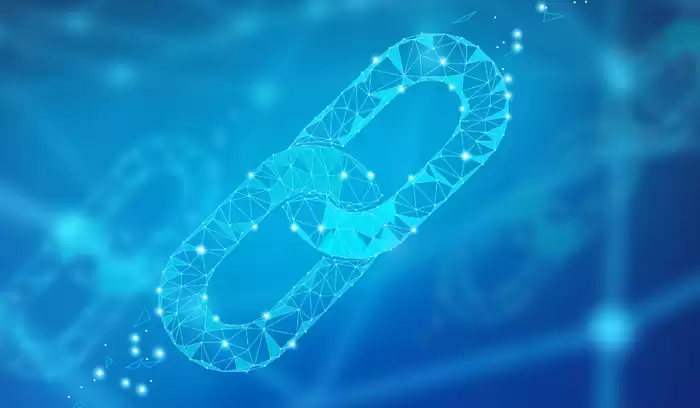
No, a blockchain does not have a phone number. A blockchain is a digital ledger that records transactions across numerous computers. It is decentralized and therefore does not have a central entity to manage its operations. Consequently, it does not have a physical address or phone number associated with it.
Additional InformationWhat is a Blockchain?- A blockchain is a distributed database that allows multiple users to record and verify transactions in a permanent and tamper-proof manner.
- It is essentially a list of blocks, each containing a timestamp, transaction data, and a cryptographic hash of the previous block.
- When a transaction occurs, it is broadcast to the blockchain network.
- Network nodes verify the transaction and add it to a block.
- The block is then cryptographically hashed and linked to the previous block, forming an immutable record.
- Once verified and added to the blockchain, the transaction cannot be altered or reversed.
- Cryptocurrency: Blockchain is the underlying technology behind cryptocurrencies such as Bitcoin and Ethereum.
- Supply Chain Management: Blockchain is used to track goods and ensure transparency and accountability in supply chains.
- Digital Identities: Blockchain can store and manage digital identities, providing secure and verifiable ways to prove ownership.
- Voting Systems: Blockchain has the potential to enhance the security and accuracy of voting systems.
Disclaimer:info@kdj.com
The information provided is not trading advice. kdj.com does not assume any responsibility for any investments made based on the information provided in this article. Cryptocurrencies are highly volatile and it is highly recommended that you invest with caution after thorough research!
If you believe that the content used on this website infringes your copyright, please contact us immediately (info@kdj.com) and we will delete it promptly.






- Sui Network, Toncoin, TRON: Navigating the Evolving Crypto Landscape
- 2026-11-15 00:35:01
- OKX Europe Boosts Fast Redemption Limits for VIP Liquid Staking, Setting Industry Pace
- 2026-11-14 16:35:02
- Bitcoin Retail Demand Plunges Amid Price Decline, Technical Indicators Confirm Bearish Trend
- 2026-11-14 16:35:02
- Pyth Network, Douro Labs, and CFTC Regulation: Shaping the Future of Crypto Market Integrity
- 2026-11-14 17:35:15
- Blockstream Elevates Enterprise Custody with Secure-MPC and Thales HSMs for Unparalleled Security
- 2026-11-14 17:35:15
- XRP Price Prediction: Will $1,000 Make Everyone Rich? Technicals Suggest Key Levels to Watch
- 2026-11-14 07:24:53
Related knowledge
What Is Modular Blockchain and Why Is It the Next Big Trend?
Jun 20,2026 at 02:19am
Market Volatility Patterns1. Bitcoin price swings often exceed 5% within a single trading session during periods of macroeconomic uncertainty. 2. Altc...
What Is Account Abstraction and Why Is It Important for Web3?
Jun 17,2026 at 02:39pm
Bitcoin Halving Mechanics1. Bitcoin’s protocol enforces a fixed issuance schedule where block rewards are cut in half approximately every 210,000 bloc...

What Is Zero-Knowledge Proof and How Does It Protect Privacy?
Jun 17,2026 at 12:59pm
Market Volatility Patterns1. Bitcoin price swings often exceed 5% within a single trading session during periods of low liquidity.2. Altcoin correlati...
What Is zk-Rollup and Why Is Everyone Talking About It?
Jun 25,2026 at 06:39am
Market Volatility Patterns1. Bitcoin’s price movements often exhibit sharp intraday swings exceeding 5% during high-liquidity events such as ETF inflo...
What Is Chainlink and How Do Blockchain Oracles Work?
Jun 19,2026 at 01:00pm
Market Volatility Patterns1. Price swings exceeding 15% within a 24-hour window occur regularly across major cryptocurrencies including Bitcoin and Et...
What Is an Oracle in Blockchain and Why Is It Needed?
Jun 21,2026 at 07:39pm
Definition and Core Functionality1. An oracle in blockchain is a trusted third-party service that provides external data to smart contracts operating ...
What Is Modular Blockchain and Why Is It the Next Big Trend?
Jun 20,2026 at 02:19am
Market Volatility Patterns1. Bitcoin price swings often exceed 5% within a single trading session during periods of macroeconomic uncertainty. 2. Altc...
What Is Account Abstraction and Why Is It Important for Web3?
Jun 17,2026 at 02:39pm
Bitcoin Halving Mechanics1. Bitcoin’s protocol enforces a fixed issuance schedule where block rewards are cut in half approximately every 210,000 bloc...
What Is Zero-Knowledge Proof and How Does It Protect Privacy?
Jun 17,2026 at 12:59pm
Market Volatility Patterns1. Bitcoin price swings often exceed 5% within a single trading session during periods of low liquidity.2. Altcoin correlati...
What Is zk-Rollup and Why Is Everyone Talking About It?
Jun 25,2026 at 06:39am
Market Volatility Patterns1. Bitcoin’s price movements often exhibit sharp intraday swings exceeding 5% during high-liquidity events such as ETF inflo...
What Is Chainlink and How Do Blockchain Oracles Work?
Jun 19,2026 at 01:00pm
Market Volatility Patterns1. Price swings exceeding 15% within a 24-hour window occur regularly across major cryptocurrencies including Bitcoin and Et...
What Is an Oracle in Blockchain and Why Is It Needed?
Jun 21,2026 at 07:39pm
Definition and Core Functionality1. An oracle in blockchain is a trusted third-party service that provides external data to smart contracts operating ...
See all articles


