















![Ultra Paracosm by IlIRuLaSIlI [3 coin] | Easy demon | Geometry dash](/uploads/2026/01/31/cryptocurrencies-news/videos/origin_697d592372464_image_500_375.webp "Ultra Paracosm by IlIRuLaSIlI [3 coin] | Easy demon | Geometry dash")








-
 bitcoin
 $87959.907984 USD
1.34% - ethereum
$2920.497338 USD
3.04% - tether
$0.999775 USD
0.00% - xrp
$2.237324 USD
8.12% - bnb
$860.243768 USD
0.90% - solana
$138.089498 USD
5.43% - usd-coin
$0.999807 USD
0.01% - tron
$0.272801 USD
-1.53% - dogecoin
$0.150904 USD
2.96% - cardano
$0.421635 USD
1.97% - hyperliquid
$32.152445 USD
2.23% - bitcoin-cash
$533.301069 USD
-1.94% - chainlink
$12.953417 USD
2.68% - unus-sed-leo
$9.535951 USD
0.73% - zcash
$521.483386 USD
-2.87%











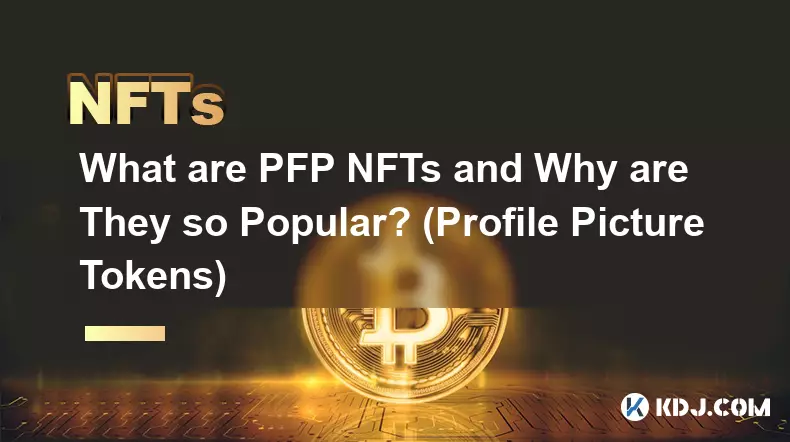
What are PFP NFTs and Why are They so Popular? (Profile Picture Tokens)
PFP NFTs are unique, blockchain-verified digital avatars—like CryptoPunks or BAYC—that serve as identity badges, grant community access, and hold economic value through scarcity, royalties, and social signaling.
Jan 15, 2026 at 05:20 pm
What Are PFP NFTs?
1. PFP NFTs stand for Profile Picture Non-Fungible Tokens, digital assets minted on blockchains like Ethereum or Solana that represent unique, verifiable ownership of a specific image.
2. Each token is stored as a smart contract with metadata linking to an image file hosted on decentralized storage systems such as IPFS or Arweave.
3. Unlike standard avatars, PFP NFTs carry cryptographic proof of authenticity and scarcity, often generated algorithmically from layered traits like background, clothing, expression, and accessories.
4. Ownership is recorded on-chain, enabling transparent transfer history and immutable attribution to wallet addresses.
5. Early examples include CryptoPunks and Bored Ape Yacht Club, both launched before mainstream awareness of NFTs surged in 2021.
Community Identity and Social Signaling
1. Holding a PFP NFT functions as a membership badge, granting access to exclusive Discord servers, token-gated content, and real-world events organized by project teams.
2. Public wallet connections allow users to display their NFTs across platforms like Twitter (X), Reddit, and Telegram, turning profile pictures into visible status symbols.
3. Rarity tiers—determined by trait combinations—create internal hierarchies within communities, influencing perceived influence and participation rights.
4. Some collections issue governance tokens alongside NFTs, letting holders vote on treasury allocations, roadmap changes, or brand collaborations.
5. The visual consistency of PFP sets fosters instant recognition, reinforcing group cohesion without verbal explanation.
Economic Mechanics and Speculative Demand
1. Floor prices—the lowest listed price for any item in a collection—are tracked in real time on marketplaces like OpenSea and Blur, serving as liquidity indicators and sentiment barometers.
2. Royalty structures embedded in smart contracts ensure creators receive a percentage on every secondary sale, incentivizing long-term ecosystem development.
3. Whitelist opportunities, mint giveaways, and staking rewards drive early engagement and inflate perceived value before public launches.
4. High-profile celebrity endorsements—such as Snoop Dogg adopting a Bored Ape or Steph Curry minting a Doodle—trigger wave-based buying pressure across social media feeds.
5. Trading volume spikes often correlate with major announcements, including partnership reveals, metaverse integrations, or derivative project launches.
Technical Infrastructure and Interoperability
1. ERC-721 and ERC-1155 standards define how PFP NFTs behave on Ethereum, supporting features like batch transfers and multi-token support.
2. Cross-chain bridges enable movement between ecosystems, though fragmentation remains due to inconsistent metadata handling and signature verification methods.
3. Wallet integrations with browser extensions like MetaMask or Phantom allow one-click verification and display of owned PFPs across dApps.
4. On-chain analytics tools track wallet clustering, whale accumulation patterns, and wash trading activity, informing both investors and regulators.
5. SVG-based NFTs and dynamic NFTs introduce programmable visuals that change based on external data feeds or user interactions, expanding expressive potential beyond static images.
Frequently Asked Questions
Q: Do I need cryptocurrency to buy a PFP NFT?Yes. Purchases require holding native blockchain tokens—Ether for Ethereum-based PFPs, SOL for Solana-based ones—to cover transaction fees and purchase costs.
Q: Can someone copy my PFP image and use it as their own?Anyone can download or screenshot the image, but only the verified owner holds cryptographic proof of authenticity and associated utility privileges.
Q: Are all PFP NFTs created equally in terms of rarity?No. Rarity is calculated using statistical frequency of traits across the entire collection; some traits appear in less than 0.1% of items, making them significantly more sought after.
Q: What happens if the project team disappears after launch?Ownership remains intact on-chain. However, community-led initiatives may take over development, or the collection could become dormant with only speculative trading continuing.
Disclaimer:info@kdj.com
The information provided is not trading advice. kdj.com does not assume any responsibility for any investments made based on the information provided in this article. Cryptocurrencies are highly volatile and it is highly recommended that you invest with caution after thorough research!
If you believe that the content used on this website infringes your copyright, please contact us immediately (info@kdj.com) and we will delete it promptly.






- White House Brokers Peace: Crypto, Banks, and the Future of Finance
- 2026-01-31 18:50:01
- Rare Royal Mint Coin Discovery Sparks Value Frenzy: What's Your Change Worth?
- 2026-01-31 18:55:01
- Pi Network's Mainnet Migration Accelerates, Unlocking Millions and Bolstering Pi Coin's Foundation
- 2026-01-31 18:55:01
- Lido's stVaults Revolutionize Ethereum Staking for Institutions
- 2026-01-31 19:25:01
- MegaETH's Bold Bet: No Listing Fees, No Exchange Airdrops, Just Pure Grit
- 2026-01-31 19:20:02
- BlockDAG Presale Delays Raise Questions on Listing Date Amidst Market Scrutiny
- 2026-01-31 19:15:01
Related knowledge
How to understand gas wars and set priority fees? (Minting strategy)
Jan 29,2026 at 11:00am
Understanding Gas Wars in the Context of NFT Minting1. Gas wars occur when multiple users compete to have their transactions confirmed first on Ethere...
How to buy real estate using NFTs? (RWA tokenization)
Jan 29,2026 at 07:19am
Understanding Real Estate NFTs1. Real estate NFTs represent ownership stakes in physical properties through blockchain-based tokens. 2. Each NFT is mi...
How to participate in NFT raffles and giveaways? (Premint guide)
Jan 29,2026 at 11:39pm
Understanding NFT Raffle Mechanics1. NFT raffles operate as on-chain lotteries where participants submit entries during a defined window, often by con...
How to set up an NFT gallery in a virtual world? (OnCyber tutorial)
Jan 28,2026 at 07:19am
Understanding Virtual World Infrastructure1. Virtual worlds like Decentraland, Somnium Space, and OnCyber rely on blockchain-based land ownership, whe...
How to bridge NFTs across different blockchains? (Wormhole guide)
Jan 29,2026 at 05:20am
Understanding Cross-Chain NFT Bridging1. NFTs are inherently tied to the blockchain where they are minted, making them non-transferable by default acr...
How to spot wash trading in NFT collections? (Volume analysis)
Jan 30,2026 at 09:20am
Volume Distribution Patterns1. A small number of wallets consistently account for over 70% of total trading volume across multiple floor price transac...
How to understand gas wars and set priority fees? (Minting strategy)
Jan 29,2026 at 11:00am
Understanding Gas Wars in the Context of NFT Minting1. Gas wars occur when multiple users compete to have their transactions confirmed first on Ethere...
How to buy real estate using NFTs? (RWA tokenization)
Jan 29,2026 at 07:19am
Understanding Real Estate NFTs1. Real estate NFTs represent ownership stakes in physical properties through blockchain-based tokens. 2. Each NFT is mi...
How to participate in NFT raffles and giveaways? (Premint guide)
Jan 29,2026 at 11:39pm
Understanding NFT Raffle Mechanics1. NFT raffles operate as on-chain lotteries where participants submit entries during a defined window, often by con...
How to set up an NFT gallery in a virtual world? (OnCyber tutorial)
Jan 28,2026 at 07:19am
Understanding Virtual World Infrastructure1. Virtual worlds like Decentraland, Somnium Space, and OnCyber rely on blockchain-based land ownership, whe...
How to bridge NFTs across different blockchains? (Wormhole guide)
Jan 29,2026 at 05:20am
Understanding Cross-Chain NFT Bridging1. NFTs are inherently tied to the blockchain where they are minted, making them non-transferable by default acr...
How to spot wash trading in NFT collections? (Volume analysis)
Jan 30,2026 at 09:20am
Volume Distribution Patterns1. A small number of wallets consistently account for over 70% of total trading volume across multiple floor price transac...
See all articles


