















![Ultra Paracosm by IlIRuLaSIlI [3 coin] | Easy demon | Geometry dash](/uploads/2026/01/31/cryptocurrencies-news/videos/origin_697d592372464_image_500_375.webp "Ultra Paracosm by IlIRuLaSIlI [3 coin] | Easy demon | Geometry dash")








-
 bitcoin
 $87959.907984 USD
1.34% - ethereum
$2920.497338 USD
3.04% - tether
$0.999775 USD
0.00% - xrp
$2.237324 USD
8.12% - bnb
$860.243768 USD
0.90% - solana
$138.089498 USD
5.43% - usd-coin
$0.999807 USD
0.01% - tron
$0.272801 USD
-1.53% - dogecoin
$0.150904 USD
2.96% - cardano
$0.421635 USD
1.97% - hyperliquid
$32.152445 USD
2.23% - bitcoin-cash
$533.301069 USD
-1.94% - chainlink
$12.953417 USD
2.68% - unus-sed-leo
$9.535951 USD
0.73% - zcash
$521.483386 USD
-2.87%











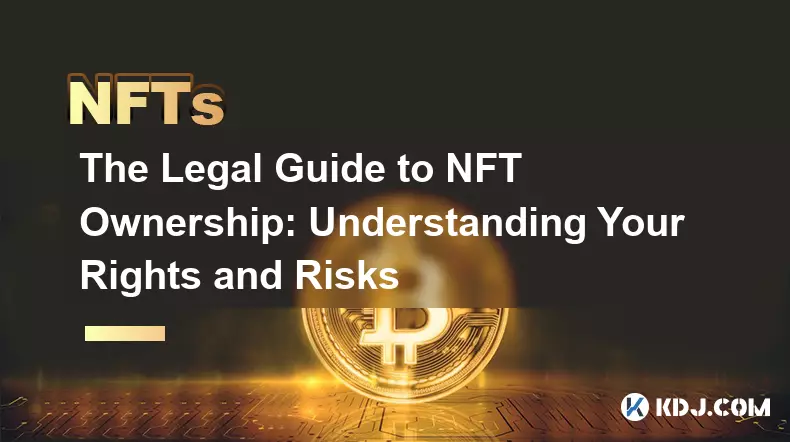
The Legal Guide to NFT Ownership: Understanding Your Rights and Risks
Owning an NFT means holding a unique token on the blockchain, but not necessarily the copyright or rights to use the underlying digital content.
Nov 01, 2025 at 08:36 am
The Nature of NFT Ownership in the Digital Realm
1. An NFT, or non-fungible token, is a unique digital asset verified using blockchain technology. Unlike cryptocurrencies such as Bitcoin or Ethereum, each NFT carries distinct information that makes it irreplaceable and indivisible. This uniqueness forms the foundation of ownership claims in the digital space.
2. When someone purchases an NFT, they are acquiring a cryptographic proof of ownership recorded on a public ledger. This record verifies that the buyer holds the specific token linked to a digital file—such as artwork, music, or virtual real estate—but does not automatically transfer copyright or intellectual property rights.
3. The blockchain acts as a transparent and tamper-resistant system for tracking provenance. Every transaction, from minting to resale, is permanently logged. This traceability enhances trust among participants in the NFT ecosystem, especially in markets where authenticity is paramount.
4. Ownership of the NFT does not equate to ownership of the underlying content. For example, buying an NFT of a digital painting grants possession of the token, not the right to reproduce, distribute, or commercially exploit the image unless explicitly stated in the associated license.
5. Smart contracts govern many aspects of NFT transactions, including royalty distributions to creators upon secondary sales. These self-executing agreements are coded into the token itself, ensuring certain conditions are met without intermediaries.
Intellectual Property Rights and Licensing Agreements
1. Creators retain full copyright by default unless they explicitly transfer those rights through a licensing agreement attached to the NFT. Buyers often assume they own the creative work outright, but this misconception can lead to legal disputes over usage rights.
2. Some NFT projects offer commercial use licenses, allowing owners to monetize the associated artwork under defined terms. These licenses vary widely—one project may permit merchandise creation, while another restricts use to personal display only.
3. It is critical to review the specific terms provided by the issuer before assuming any usage rights beyond possession of the token. Platforms like OpenSea or Rarible may host NFTs with differing licenses, making due diligence essential for collectors and investors.
4. Infringement risks arise when NFT owners use digital assets beyond the scope permitted by the license. Unauthorized reproduction or branding efforts could trigger cease-and-desist letters, takedown requests, or litigation from original creators.
5. Trademark issues also emerge when NFTs incorporate logos, brand names, or characters protected under intellectual property law. Minting or selling such tokens without authorization exposes individuals to potential liability, even if the blockchain records their ownership.
Risks Associated with NFT Transactions and Marketplaces
1. Fraudulent listings are common across decentralized platforms. Scammers may mint NFTs based on stolen artwork or impersonate established artists, misleading buyers into purchasing counterfeit digital assets.
2. Smart contract vulnerabilities pose technical risks. Poorly audited code can contain exploits that allow attackers to drain funds or manipulate ownership records. High-profile hacks have resulted in irreversible losses for users who trusted unverified contracts.
3. Jurisdictional ambiguity complicates enforcement of rights in cross-border NFT trades. Legal recourse may be limited depending on where the buyer, seller, and platform are located. Regulatory frameworks remain fragmented, with few unified standards for dispute resolution.
4. Market volatility affects both value and enforceability of rights. A significant drop in an NFT’s market price might reduce incentive for creators to honor long-term promises, such as future benefits or community access tied to ownership.
5. Platform dependency introduces additional risk. If a marketplace shuts down or removes hosting for associated media files, the visual or functional component of the NFT may become inaccessible—even though the token remains on-chain.
Frequently Asked Questions
Can I sue someone for using my NFT image without permission?Yes, if your NFT includes a license granting exclusive usage rights and the unauthorized party exceeds those terms, you may pursue legal action. However, success depends on the clarity and enforceability of the license attached to the token.
Do I own the copyright if I buy an NFT from an artist?Not necessarily. Absent a written transfer of copyright or a permissive license, the artist retains all intellectual property rights. Owning the NFT only confirms possession of the token, not the creative content itself.
What happens if an NFT platform goes out of business?The blockchain record of ownership persists, but access to metadata, images, or interactive features hosted on centralized servers may be lost. Decentralized storage solutions like IPFS improve resilience but do not guarantee permanent availability.
Are NFTs regulated by financial authorities?Regulatory treatment varies by country. Some jurisdictions view certain NFTs as securities, especially if they promise profit or governance rights. Others classify them as digital goods subject to consumer protection laws. Compliance obligations depend on structure and intent.
Disclaimer:info@kdj.com
The information provided is not trading advice. kdj.com does not assume any responsibility for any investments made based on the information provided in this article. Cryptocurrencies are highly volatile and it is highly recommended that you invest with caution after thorough research!
If you believe that the content used on this website infringes your copyright, please contact us immediately (info@kdj.com) and we will delete it promptly.






- Work Dogs Unleashes TGE Launch, Sets Sights on Mid-2026 Listing & Ambitious $25 Token Target
- 2026-01-31 15:50:02
- WD Coin's TGE Launch Ignites Excitement: A Billion Tokens Set to Hit the Market
- 2026-01-31 16:10:02
- Royal Mint Launches Interactive £5 Coin for a Thrilling Code-Breaker Challenge
- 2026-01-31 16:10:02
- Crypto, AI, and Gains: Navigating the Next Wave of Digital Assets
- 2026-01-31 15:50:02
- Coin Nerds Forges Trust in the Digital Asset Trading Platform Landscape Amidst Evolving Market
- 2026-01-31 16:05:01
- Blockchains, Crypto Tokens, Launching: Enterprise Solutions & Real Utility Steal the Spotlight
- 2026-01-31 12:30:02
Related knowledge
How to understand gas wars and set priority fees? (Minting strategy)
Jan 29,2026 at 11:00am
Understanding Gas Wars in the Context of NFT Minting1. Gas wars occur when multiple users compete to have their transactions confirmed first on Ethere...
How to buy real estate using NFTs? (RWA tokenization)
Jan 29,2026 at 07:19am
Understanding Real Estate NFTs1. Real estate NFTs represent ownership stakes in physical properties through blockchain-based tokens. 2. Each NFT is mi...
How to participate in NFT raffles and giveaways? (Premint guide)
Jan 29,2026 at 11:39pm
Understanding NFT Raffle Mechanics1. NFT raffles operate as on-chain lotteries where participants submit entries during a defined window, often by con...
How to set up an NFT gallery in a virtual world? (OnCyber tutorial)
Jan 28,2026 at 07:19am
Understanding Virtual World Infrastructure1. Virtual worlds like Decentraland, Somnium Space, and OnCyber rely on blockchain-based land ownership, whe...
How to bridge NFTs across different blockchains? (Wormhole guide)
Jan 29,2026 at 05:20am
Understanding Cross-Chain NFT Bridging1. NFTs are inherently tied to the blockchain where they are minted, making them non-transferable by default acr...
How to spot wash trading in NFT collections? (Volume analysis)
Jan 30,2026 at 09:20am
Volume Distribution Patterns1. A small number of wallets consistently account for over 70% of total trading volume across multiple floor price transac...
How to understand gas wars and set priority fees? (Minting strategy)
Jan 29,2026 at 11:00am
Understanding Gas Wars in the Context of NFT Minting1. Gas wars occur when multiple users compete to have their transactions confirmed first on Ethere...
How to buy real estate using NFTs? (RWA tokenization)
Jan 29,2026 at 07:19am
Understanding Real Estate NFTs1. Real estate NFTs represent ownership stakes in physical properties through blockchain-based tokens. 2. Each NFT is mi...
How to participate in NFT raffles and giveaways? (Premint guide)
Jan 29,2026 at 11:39pm
Understanding NFT Raffle Mechanics1. NFT raffles operate as on-chain lotteries where participants submit entries during a defined window, often by con...
How to set up an NFT gallery in a virtual world? (OnCyber tutorial)
Jan 28,2026 at 07:19am
Understanding Virtual World Infrastructure1. Virtual worlds like Decentraland, Somnium Space, and OnCyber rely on blockchain-based land ownership, whe...
How to bridge NFTs across different blockchains? (Wormhole guide)
Jan 29,2026 at 05:20am
Understanding Cross-Chain NFT Bridging1. NFTs are inherently tied to the blockchain where they are minted, making them non-transferable by default acr...
How to spot wash trading in NFT collections? (Volume analysis)
Jan 30,2026 at 09:20am
Volume Distribution Patterns1. A small number of wallets consistently account for over 70% of total trading volume across multiple floor price transac...
See all articles


