















![THIS IS THE HARDEST COIN TO GET [POLY DASH]](/uploads/2026/01/31/cryptocurrencies-news/videos/origin_697e0319ee56d_image_500_375.webp "THIS IS THE HARDEST COIN TO GET [POLY DASH]")








-
 bitcoin
 $87959.907984 USD
1.34% - ethereum
$2920.497338 USD
3.04% - tether
$0.999775 USD
0.00% - xrp
$2.237324 USD
8.12% - bnb
$860.243768 USD
0.90% - solana
$138.089498 USD
5.43% - usd-coin
$0.999807 USD
0.01% - tron
$0.272801 USD
-1.53% - dogecoin
$0.150904 USD
2.96% - cardano
$0.421635 USD
1.97% - hyperliquid
$32.152445 USD
2.23% - bitcoin-cash
$533.301069 USD
-1.94% - chainlink
$12.953417 USD
2.68% - unus-sed-leo
$9.535951 USD
0.73% - zcash
$521.483386 USD
-2.87%











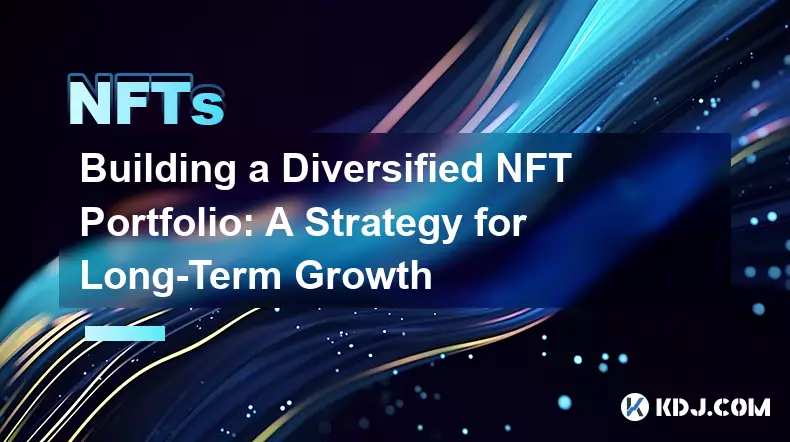
Building a Diversified NFT Portfolio: A Strategy for Long-Term Growth
Diversifying NFT portfolios across categories, blockchains, and project stages reduces risk and enhances long-term resilience in a volatile market.
Nov 04, 2025 at 11:01 am
Understanding the Value of NFT Diversification
1. Diversifying an NFT portfolio reduces exposure to volatility tied to a single project or niche. The NFT market is highly speculative, and individual collections can experience rapid price swings based on trends, celebrity endorsements, or shifts in community sentiment.
2. Spreading investments across multiple categories—such as digital art, virtual real estate, gaming assets, and utility-based tokens—helps balance risk while increasing potential reward pathways. Each sector responds differently to market conditions, allowing certain holdings to perform well even when others stagnate.
3. Holding NFTs from different blockchains—like Ethereum, Solana, and Polygon—also insulates investors from chain-specific risks such as network congestion, high gas fees, or declining developer activity.
4. Projects with strong roadmaps, active communities, and transparent teams tend to maintain value over time. Including a mix of established blue-chip NFTs and emerging mid-tier projects creates a tiered structure that supports long-term resilience.
5. Diversification isn’t just about quantity; it’s about strategic selection. Owning ten similar PFP (profile picture) projects may give the illusion of variety but fails to provide true risk mitigation if they all depend on the same cultural trend or marketplace dynamics.
Key Categories for Portfolio Allocation
1. Blue-chip NFTs like CryptoPunks, Bored Ape Yacht Club, and Art Blocks Curated serve as foundational assets. These have demonstrated staying power, consistent trading volume, and recognition beyond the crypto-native audience.
2. Gaming and metaverse-related NFTs offer utility-driven value. Assets such as LAND in Decentraland or wearables in The Sandbox can generate income through rentals, events, or in-game advantages, adding functional worth beyond speculation.
3. Investing in generative art platforms provides exposure to algorithmically unique creations with proven demand among collectors who prioritize aesthetic and technical innovation. Artists like Tyler Hobbs and Dmitri Cherniak have cultivated followings that treat these works as digital fine art.
4. Music and entertainment NFTs are gaining traction as artists tokenize albums, concert tickets, and fan experiences. Projects linked to actual creative output—not just branding—tend to retain engagement longer than meme-based counterparts.
5. Membership and access-pass NFTs, often tied to exclusive communities or services, deliver ongoing benefits. Some grant entry to private events, mentorship programs, or early access to new token launches, enhancing their long-term utility.
Risk Management and Due Diligence Practices
1. Before acquiring any NFT, verify the team behind the project. Anonymous founders increase counterparty risk, especially if development stalls or communication ceases without explanation.
2. Analyze on-chain data using tools like Etherscan or Solscan to review minting patterns, wallet concentrations, and transaction history. High levels of supply held by a few addresses may indicate manipulation or lack of decentralization.
3. Monitor secondary market performance across platforms like OpenSea, Blur, and Magic Eden. Consistent floor price stability and healthy bid walls signal strong holder conviction and liquidity.
4. Avoid emotional buying during hype cycles. Many NFTs surge at launch due to promotional momentum but fail to sustain interest once initial excitement fades. Waiting for post-mint cooling periods often results in better entry points.
5. Use cold storage solutions to secure high-value NFTs. Hardware wallets compatible with NFT holdings reduce the risk of theft from phishing attacks or compromised exchange accounts.
Frequently Asked Questions
What defines a 'blue-chip' NFT?A blue-chip NFT comes from a project with a long track record of high valuations, strong community support, and widespread recognition. Examples include CryptoPunks and CloneX, which consistently command six- or seven-figure prices and are frequently resold on major marketplaces.
How much should I allocate to emerging projects?Emerging projects carry higher risk but also greater upside potential. Allocating 20% to 30% of a portfolio to early-stage drops allows participation in growth opportunities while preserving capital in more stable assets.
Can utility increase an NFT’s longevity?Yes. NFTs that offer tangible benefits—such as staking rewards, governance rights, or access to services—tend to maintain relevance beyond speculative phases. Utility anchors value to real-world use rather than perception alone.
Is it safe to hold NFTs on marketplaces?Holding NFTs on centralized marketplaces increases vulnerability to platform-specific failures or hacks. Transferring ownership to a self-custodied wallet ensures full control and minimizes third-party risk.
Disclaimer:info@kdj.com
The information provided is not trading advice. kdj.com does not assume any responsibility for any investments made based on the information provided in this article. Cryptocurrencies are highly volatile and it is highly recommended that you invest with caution after thorough research!
If you believe that the content used on this website infringes your copyright, please contact us immediately (info@kdj.com) and we will delete it promptly.






- Crypto Coaster: Bitcoin Navigates Intense Liquidation Hunt as Markets Reel
- 2026-02-01 00:40:02
- Bitcoin Eyes $75,000 Retest as Early February Approaches Amid Shifting Market Sentiment
- 2026-02-01 01:20:03
- Don't Miss Out: A Rare £1 Coin with a Hidden Error Could Be Worth a Fortune!
- 2026-02-01 01:20:03
- Rare £1 Coin Error Could Be Worth £2,500: Are You Carrying a Fortune?
- 2026-02-01 00:45:01
- Navigating the Crypto Landscape: Risk vs Reward in Solana Dips and the Allure of Crypto Presales
- 2026-02-01 01:10:01
- NVIDIA CEO Jensen Huang's Take: Crypto as Energy Storage and the Evolving Role of Tech CEOs
- 2026-02-01 01:15:02
Related knowledge
How to understand gas wars and set priority fees? (Minting strategy)
Jan 29,2026 at 11:00am
Understanding Gas Wars in the Context of NFT Minting1. Gas wars occur when multiple users compete to have their transactions confirmed first on Ethere...
How to buy real estate using NFTs? (RWA tokenization)
Jan 29,2026 at 07:19am
Understanding Real Estate NFTs1. Real estate NFTs represent ownership stakes in physical properties through blockchain-based tokens. 2. Each NFT is mi...
How to participate in NFT raffles and giveaways? (Premint guide)
Jan 29,2026 at 11:39pm
Understanding NFT Raffle Mechanics1. NFT raffles operate as on-chain lotteries where participants submit entries during a defined window, often by con...
How to set up an NFT gallery in a virtual world? (OnCyber tutorial)
Jan 28,2026 at 07:19am
Understanding Virtual World Infrastructure1. Virtual worlds like Decentraland, Somnium Space, and OnCyber rely on blockchain-based land ownership, whe...
How to bridge NFTs across different blockchains? (Wormhole guide)
Jan 29,2026 at 05:20am
Understanding Cross-Chain NFT Bridging1. NFTs are inherently tied to the blockchain where they are minted, making them non-transferable by default acr...
How to spot wash trading in NFT collections? (Volume analysis)
Jan 30,2026 at 09:20am
Volume Distribution Patterns1. A small number of wallets consistently account for over 70% of total trading volume across multiple floor price transac...
How to understand gas wars and set priority fees? (Minting strategy)
Jan 29,2026 at 11:00am
Understanding Gas Wars in the Context of NFT Minting1. Gas wars occur when multiple users compete to have their transactions confirmed first on Ethere...
How to buy real estate using NFTs? (RWA tokenization)
Jan 29,2026 at 07:19am
Understanding Real Estate NFTs1. Real estate NFTs represent ownership stakes in physical properties through blockchain-based tokens. 2. Each NFT is mi...
How to participate in NFT raffles and giveaways? (Premint guide)
Jan 29,2026 at 11:39pm
Understanding NFT Raffle Mechanics1. NFT raffles operate as on-chain lotteries where participants submit entries during a defined window, often by con...
How to set up an NFT gallery in a virtual world? (OnCyber tutorial)
Jan 28,2026 at 07:19am
Understanding Virtual World Infrastructure1. Virtual worlds like Decentraland, Somnium Space, and OnCyber rely on blockchain-based land ownership, whe...
How to bridge NFTs across different blockchains? (Wormhole guide)
Jan 29,2026 at 05:20am
Understanding Cross-Chain NFT Bridging1. NFTs are inherently tied to the blockchain where they are minted, making them non-transferable by default acr...
How to spot wash trading in NFT collections? (Volume analysis)
Jan 30,2026 at 09:20am
Volume Distribution Patterns1. A small number of wallets consistently account for over 70% of total trading volume across multiple floor price transac...
See all articles


