










![[Multi SUB] |He became a waste during the barren years, his wife and daughter were forced to sell him, and he unexpectedly awakened and signed into an unlimited backpack! The supplies are superimposed infinitely, the crossbows shake the sky and thunder, the bandits are suppressed, the army is gathered, and the beauties are everywhere around you! #剧energychargingstation#MiniDrama#Wonderful mainland short drama](/uploads/2026/09/26/cryptocurrencies-news/videos/origin_6ab75b1a093de_image_500_375.webp "[Multi SUB] |He became a waste during the barren years, his wife and daughter were forced to sell him, and he unexpectedly awakened and signed into an unlimited backpack! The supplies are superimposed infinitely, the crossbows shake the sky and thunder, the bandits are suppressed, the army is gathered, and the beauties are everywhere around you! #剧energychargingstation#MiniDrama#Wonderful mainland short drama")






-
 bitcoin
 $83993.093959 USD
0.22% - ethereum
$2689.793184 USD
0.78% - tether
$0.999787 USD
0.00% - bnb
$773.105571 USD
0.11% - xrp
$1.552232 USD
1.56% - usd-coin
$0.999896 USD
0.00% - solana
$120.433167 USD
3.80% - tron
$0.337303 USD
-0.36% - zcash
$1536.901627 USD
-0.27% - hyperliquid
$91.904809 USD
-0.20% - dogecoin
$0.097737 USD
3.08% - chainlink
$14.080883 USD
5.21% - monero
$554.283914 USD
-3.05% - cardano
$0.255122 USD
3.19% - unus-sed-leo
$8.909967 USD
1.35%











How to choose a Dogecoin trading platform?
When selecting a Dogecoin trading platform, prioritize security measures, liquidity levels, competitive fees, supported payment methods, reliable customer support, and tailored features to optimize your trading experience.
Oct 20, 2024 at 12:36 am
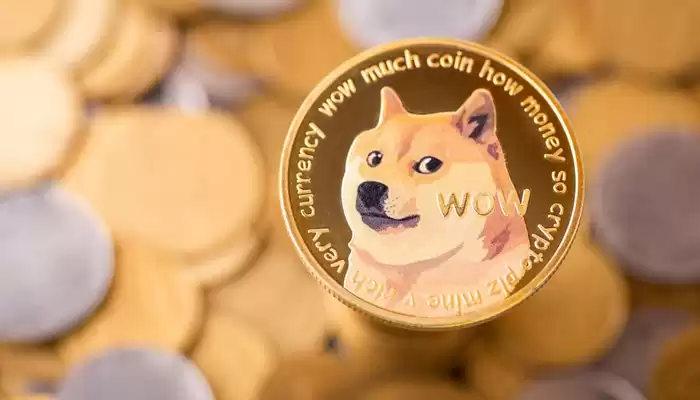
Investing in cryptocurrency can be a profitable venture, but it's crucial to choose a reliable and secure trading platform to ensure your investments are protected. When it comes to trading Dogecoin (DOGE), several factors need to be considered to determine the best platform for your needs.
1. Security and ReputationSafety should be your top priority when selecting a Dogecoin exchange. Verify that the platform employs robust security measures, such as cold storage, SSL encryption, and two-factor authentication (2FA). Look for exchanges with a long-standing reputation in the industry and positive user reviews.
- liquidity
Liquidity is the ease with which you can buy or sell Dogecoin without significantly impacting the market price. Choose exchanges with ample liquidity to ensure you can execute trades efficiently. Check the daily trading volume of the platform to gauge liquidity levels.
2. Trading FeesTrading fees vary widely among platforms. Compare the maker and taker fees charged by different exchanges. Maker fees apply when you place a new order that adds to the order book, while taker fees are charged when you execute an existing order. Choose an exchange with competitive fees to minimize your trading expenses.
3. Supported Payment MethodsConsider the payment methods supported by the exchange. Some platforms only accept cryptocurrency, while others allow you to deposit and withdraw funds using fiat currencies (e.g., USD, EUR) via bank transfers, credit/debit cards, or e-wallets. Select an exchange that provides convenient payment options that align with your needs.
4. Customer SupportRound-the-clock customer support is invaluable when facing issues or requiring assistance with your account. Verify that the exchange offers reliable customer support through live chat, email, or phone. Quick response times and knowledgeable staff can help resolve issues promptly and minimize potential losses.
5. Additional FeaturesSome Dogecoin platforms offer additional features that enhance the trading experience. These may include advanced charting tools, mobile apps, margin trading, and staking options. Evaluate these features and select an exchange that meets your specific requirements and trading style.
Recommended Dogecoin Trading Platforms- OKX
- Excellent security with multi-level cold storage and 2FA
- Competitive trading fees and high liquidity
- Supports various deposit/withdrawal options
- 24/7 customer support
- Comprehensive charting tools
- Binance
- Trusted exchange with a long-standing reputation
- Extensive cryptocurrency selection, including Dogecoin
- Relatively low trading fees
- Advanced charting and trading features
- Mobile app for convenient trading
- Crypto.com
- Secure platform with cold storage and 2FA
- Competitive trading fees and high liquidity
- Supports both cryptocurrency and fiat currency deposits/withdrawals
- User-friendly interface and mobile app
- Fee discounts for CRO holders
Disclaimer:info@kdj.com
The information provided is not trading advice. kdj.com does not assume any responsibility for any investments made based on the information provided in this article. Cryptocurrencies are highly volatile and it is highly recommended that you invest with caution after thorough research!
If you believe that the content used on this website infringes your copyright, please contact us immediately (info@kdj.com) and we will delete it promptly.






- Bitcoin Price Tightens Near $84K: A Volatility Storm Brews for the Bellwether Crypto
- 2026-09-26 20:45:02
- XRP ETFs Experience a Phenomenal Week, Tracking Significant Institutional Inflows
- 2026-09-26 20:45:02
- From Apple's Elite to Blockchain Architect: Evan Cheng and the Rise of Sui
- 2026-09-26 20:50:01
- ZEC ETF Activity Sees a Pause: Zero Activity Days Follow Strong Inflows
- 2026-09-26 20:50:02
- CoinMarketCap's Big Move: CoinGlass Under New Owner, Reshaping Crypto-Assets-Management
- 2026-09-26 20:55:01
- Kaspa Leads the Pack: Revolutionizing L1 Blockchains with Fair Launch and Innovative Technology
- 2026-09-26 20:55:01
Related knowledge

What Is DAI and How Is It Different From USDT?
Sep 08,2026 at 05:00pm
Market Volatility Patterns1. Price swings exceeding 15% within a 24-hour window have occurred in over 68% of Bitcoin’s trading days since 2021. 2. Eth...

USDT, USDC and DAI: How Are These Stablecoins Different?
Sep 20,2026 at 05:59am
Bitcoin Halving Mechanics1. Bitcoin’s protocol enforces a fixed issuance schedule where block rewards are cut in half approximately every 210,000 bloc...

Why Can a Stablecoin Lose Its $1 Peg?
Sep 08,2026 at 02:00am
Reserve Composition and Transparency Gaps1. Many stablecoins claim to be fully backed by cash or short-duration US Treasuries, yet reserve disclosures...
What Is a Crypto Stablecoin Depeg?
Sep 24,2026 at 04:39pm
Definition and Mechanism of Depegging1. A crypto stablecoin depeg occurs when the market price of a stablecoin deviates significantly from its intende...

What Is Self-Custody in Crypto and Why Does It Matter?
Sep 10,2026 at 04:19am
Definition and Core Mechanics1. Self-custody refers to the practice where individuals retain full control over their private keys without delegating t...

Custodial vs Non-Custodial Wallets: What’s the Difference?
Sep 17,2026 at 03:19am
Custodial Wallets Defined1. A custodial wallet is a digital asset storage solution where a third-party service provider holds and manages users’ priva...
What Is DAI and How Is It Different From USDT?
Sep 08,2026 at 05:00pm
Market Volatility Patterns1. Price swings exceeding 15% within a 24-hour window have occurred in over 68% of Bitcoin’s trading days since 2021. 2. Eth...
USDT, USDC and DAI: How Are These Stablecoins Different?
Sep 20,2026 at 05:59am
Bitcoin Halving Mechanics1. Bitcoin’s protocol enforces a fixed issuance schedule where block rewards are cut in half approximately every 210,000 bloc...
Why Can a Stablecoin Lose Its $1 Peg?
Sep 08,2026 at 02:00am
Reserve Composition and Transparency Gaps1. Many stablecoins claim to be fully backed by cash or short-duration US Treasuries, yet reserve disclosures...
What Is a Crypto Stablecoin Depeg?
Sep 24,2026 at 04:39pm
Definition and Mechanism of Depegging1. A crypto stablecoin depeg occurs when the market price of a stablecoin deviates significantly from its intende...
What Is Self-Custody in Crypto and Why Does It Matter?
Sep 10,2026 at 04:19am
Definition and Core Mechanics1. Self-custody refers to the practice where individuals retain full control over their private keys without delegating t...
Custodial vs Non-Custodial Wallets: What’s the Difference?
Sep 17,2026 at 03:19am
Custodial Wallets Defined1. A custodial wallet is a digital asset storage solution where a third-party service provider holds and manages users’ priva...
See all articles


