

















-
 bitcoin
 $83065.760842 USD
0.56% - ethereum
$2502.987828 USD
0.47% - tether
$0.998983 USD
-0.01% - bnb
$747.892869 USD
0.04% - xrp
$1.394954 USD
-0.69% - usd-coin
$0.999851 USD
0.00% - solana
$109.643247 USD
-0.14% - tron
$0.330160 USD
-0.18% - hyperliquid
$84.910099 USD
0.71% - zcash
$1228.260896 USD
0.09% - dogecoin
$0.085342 USD
-0.89% - monero
$527.981189 USD
1.52% - chainlink
$12.890884 USD
0.15% - cardano
$0.248308 USD
-1.99% - unus-sed-leo
$8.903865 USD
1.60%










how etf expense ratios work
Expense ratios, expressed as a percentage of an ETF's net assets, directly affect an investor's potential return, as they are deducted from the fund's performance annually.
Oct 13, 2024 at 12:54 pm
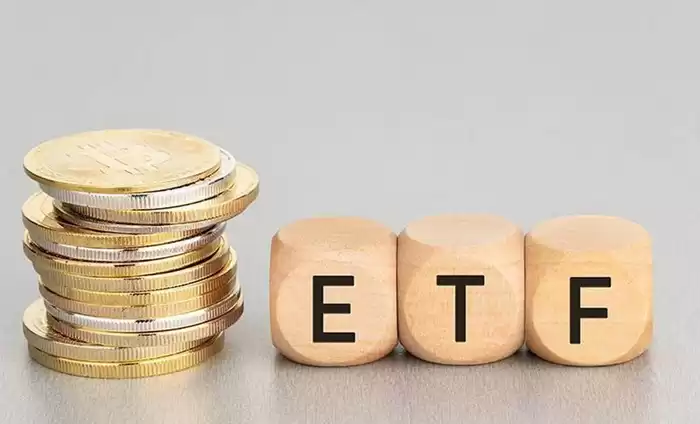
When investing in exchange-traded funds (ETFs), it's crucial to understand expense ratios. Here's an in-depth guide to how they work:
1. Definition of Expense Ratio:An expense ratio is an annual fee charged by an ETF to cover management, administrative, and operating expenses.
2. Calculation of Expense Ratio:Expense ratios are calculated as a percentage of the ETF's net assets under management (AUM). The formula is: Expense Ratio = Annual Expenses / Average Daily Net Assets
3. Impact on Returns:Expense ratios directly impact an ETF's returns over time. The higher the expense ratio, the lower your potential investment return. For example, an ETF with an expense ratio of 0.5% would reduce your annual return by 0.5% compared to an ETF with no expense ratio.
4. Types of Expenses:ETF expenses can be categorized into the following types:
- Management Fee: Paid to the ETF's portfolio manager for investment management services.
- Administrative Costs: Fees associated with regulatory compliance, accounting, and legal support.
- Operating Expenses: Costs such as trading fees, fund administration, and custodian costs.
Several factors can affect the expense ratio of an ETF, including:
- Fund Size: Larger ETFs tend to have lower expense ratios due to economies of scale.
- Fund Complexity: Complex ETFs with specialized strategies often have higher expense ratios.
- Fund Provider: Different fund providers have varying expense structures.
ETFs are required to disclose their expense ratios in their prospectus and on their fund summary pages. Investors should carefully review these documents before investing in an ETF.
7. Importance of Expense Ratios:Expense ratios are a crucial consideration when evaluating ETFs. Choosing ETFs with lower expense ratios can significantly improve your investment returns over the long term.
Here are some tips for minimizing the impact of expense ratios:- Compare expense ratios before investing: Choose ETFs with expense ratios that align with your investment goals.
- Consider passive ETFs: Passive ETFs, such as index funds, typically have lower expense ratios than actively managed ETFs.
- Accumulating Share Classes: Accumulating share classes reinvest distributions back into the ETF, reducing the impact of compounding expense ratios.
- Monitor expense ratios over time: ETFs may change their expense ratios from time to time, so it's essential to monitor these changes to ensure they remain reasonable.
Disclaimer:info@kdj.com
The information provided is not trading advice. kdj.com does not assume any responsibility for any investments made based on the information provided in this article. Cryptocurrencies are highly volatile and it is highly recommended that you invest with caution after thorough research!
If you believe that the content used on this website infringes your copyright, please contact us immediately (info@kdj.com) and we will delete it promptly.






- Ledger Nano X Targeted: Hardware Implant and CryptoBilis Reseller Scam Expose Users to Millions in Losses
- 2026-10-12 09:05:01
- Ledger-Breach-Fallout Reaches EU Amidst Trillion-XRP-Exploit Patch & EU-SEO-Keywords for Crypto Security
- 2026-10-12 09:05:01
- Starknet Explores Bold Leap to Independent Layer 1 with 2027 Quantum-Resistance Target, Stirring Market Buzz
- 2026-10-12 08:45:01
- Memecoins Defy Suffering Markets: A Look at the Latest Crypto Content and Trends
- 2026-10-12 08:45:01
- Uniswap Crushes $6 Billion in Total Fees, Solidifying DeFi Dominance
- 2026-10-12 08:50:01
- Real USDC Goes Live on Sui Network: A Game-Changer for Cross-Chain Transfers and Onboarding
- 2026-10-12 08:50:01
Related knowledge

What is a crypto ETF and why is it a big deal?
Nov 05,2025 at 10:20am
What Is a Crypto ETF?1. A crypto ETF, or exchange-traded fund, is an investment vehicle that tracks the price of one or more cryptocurrencies without ...
Is an ETF suitable for long-term holding?
Oct 01,2025 at 02:36am
Understanding ETFs in the Context of Cryptocurrency Investments1. Exchange-traded funds (ETFs) have gained significant traction in traditional financi...
What are ETF discounts and premiums?
Sep 29,2025 at 11:19pm
Understanding ETF Discounts and Premiums1. Exchange-traded funds (ETFs) are investment vehicles that trade on stock exchanges, much like individual st...

How do I evaluate an ETF?
Sep 22,2025 at 11:18am
Evaluating the Fundamentals of an ETF1. Examine the underlying index the ETF tracks to understand its investment focus. Whether it follows a broad mar...
What are the components of an ETF's fee structure?
Sep 30,2025 at 03:54am
Management Fees in ETFs1. Management fees, often referred to as the expense ratio, represent the primary cost investors pay for the operation of an ET...
What is ETF tracking error? How does it arise?
Sep 20,2025 at 03:18am
Understanding ETF Tracking Error in the Cryptocurrency Market1. Exchange-traded funds (ETFs) have become a significant bridge between traditional fina...
What is a crypto ETF and why is it a big deal?
Nov 05,2025 at 10:20am
What Is a Crypto ETF?1. A crypto ETF, or exchange-traded fund, is an investment vehicle that tracks the price of one or more cryptocurrencies without ...
Is an ETF suitable for long-term holding?
Oct 01,2025 at 02:36am
Understanding ETFs in the Context of Cryptocurrency Investments1. Exchange-traded funds (ETFs) have gained significant traction in traditional financi...
What are ETF discounts and premiums?
Sep 29,2025 at 11:19pm
Understanding ETF Discounts and Premiums1. Exchange-traded funds (ETFs) are investment vehicles that trade on stock exchanges, much like individual st...
How do I evaluate an ETF?
Sep 22,2025 at 11:18am
Evaluating the Fundamentals of an ETF1. Examine the underlying index the ETF tracks to understand its investment focus. Whether it follows a broad mar...
What are the components of an ETF's fee structure?
Sep 30,2025 at 03:54am
Management Fees in ETFs1. Management fees, often referred to as the expense ratio, represent the primary cost investors pay for the operation of an ET...
What is ETF tracking error? How does it arise?
Sep 20,2025 at 03:18am
Understanding ETF Tracking Error in the Cryptocurrency Market1. Exchange-traded funds (ETFs) have become a significant bridge between traditional fina...
See all articles


