














-
 bitcoin
 $86353.520310 USD
1.06% - ethereum
$2748.504094 USD
0.61% - tether
$0.999805 USD
0.00% - bnb
$789.713139 USD
0.35% - xrp
$1.621177 USD
6.50% - usd-coin
$0.999968 USD
-0.01% - solana
$118.732892 USD
1.75% - tron
$0.343839 USD
-1.32% - zcash
$1622.688363 USD
8.33% - hyperliquid
$97.151941 USD
2.83% - dogecoin
$0.101886 USD
2.10% - monero
$571.352536 USD
-0.93% - chainlink
$13.016236 USD
0.75% - cardano
$0.257732 USD
5.00% - unus-sed-leo
$8.985389 USD
0.15%











What does Mint/Burn mean in the cryptocurrency world
In cryptocurrency, minting involves creating new coins or tokens, while burning permanently removes them from circulation by sending them to an inaccessible "burn address."
Oct 24, 2024 at 08:09 pm
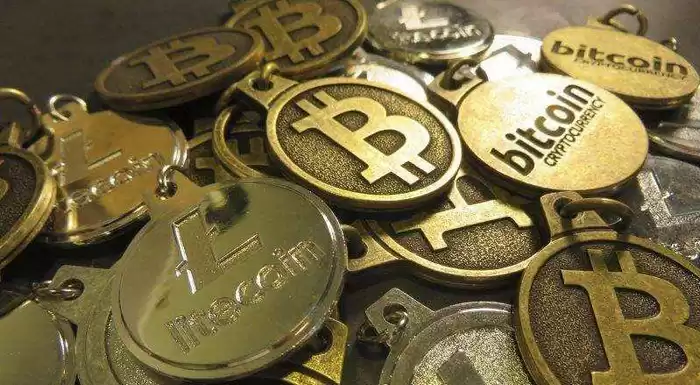
Minting is the process of creating new cryptocurrencies or tokens. It involves creating a new entry in the blockchain ledger, adding a new block to the chain. The minted cryptocurrency or token is then added to the circulating supply.
Minting can be done through various methods, depending on the specific cryptocurrency or token. Some common methods include:
- Proof-of-Work (PoW): Requires miners to solve complex mathematical problems to create new blocks.
- Proof-of-Stake (PoS): Validators stake their existing coins to earn the right to create new blocks.
- Proof-of-Burn (PoB): Involves burning or destroying既存的硬币 to create new ones.
Burning is the process of permanently removing a cryptocurrency or token from circulation. It involves sending the coins or tokens to a "burn address," which is a wallet that no one has access to. The coins or tokens cannot be recovered or spent once they are burned.
Burning can be done for various reasons, such as:
- Deflationary measures: Reducing the total supply of a cryptocurrency or token can increase its value.
- Governance: Giving holders the power to make decisions about the cryptocurrency or token's future.
- Tokenomics: Creating a specific economic model for a cryptocurrency or token.
- Bitcoin: New bitcoins are minted through the PoW mining process.
- Ethereum: Ether is minted through the PoS process.
- Binance Coin (BNB): Binance periodically burns a portion of its BNB supply to reduce supply and increase value.
- Uniswap (UNI): UNI is burned to fund new developments and community initiatives.
- Shiba Inu (SHIB): The creators of SHIB burned half of the initial supply to Vitalik Buterin, who donated it to charity.
Minting and burning are important processes that impact the monetary supply and value of cryptocurrencies and tokens. Minting creates new coins or tokens, while burning removes existing ones from circulation. These processes can be used for various purposes, including deflationary measures, governance, and tokenomics. Understanding how minting and burning work is crucial for investors and users in the cryptocurrency world.
Disclaimer:info@kdj.com
The information provided is not trading advice. kdj.com does not assume any responsibility for any investments made based on the information provided in this article. Cryptocurrencies are highly volatile and it is highly recommended that you invest with caution after thorough research!
If you believe that the content used on this website infringes your copyright, please contact us immediately (info@kdj.com) and we will delete it promptly.






- Pepeto, XRP, and SHIB: Navigating the Next Wave in Crypto's Dynamic Landscape
- 2026-09-24 04:55:01
- MoonPay Acquires North Capital, Bolstering Private Markets Infrastructure for Tokenized Assets
- 2026-09-24 04:55:01
- Blockchain.com and NYSE Forge Ahead in Tokenized Securities with Global 24/7 Trading Vision
- 2026-09-24 05:00:01
- Circle's Stablecoin Chain, USDC, and Stablecoin Chain Dynamics: A New Era Dawns
- 2026-09-24 05:00:01
- Injective's Innovative Token Burn and Stockdrop Program Connects Crypto with Real-World Assets
- 2026-09-24 05:05:01
- TRON Blockchain: The New King of Revenue, Driven by Stablecoins and Smart Strategy
- 2026-09-24 05:05:01
Related knowledge

What Is DAI and How Is It Different From USDT?
Sep 08,2026 at 05:00pm
Market Volatility Patterns1. Price swings exceeding 15% within a 24-hour window have occurred in over 68% of Bitcoin’s trading days since 2021. 2. Eth...

USDT, USDC and DAI: How Are These Stablecoins Different?
Sep 20,2026 at 05:59am
Bitcoin Halving Mechanics1. Bitcoin’s protocol enforces a fixed issuance schedule where block rewards are cut in half approximately every 210,000 bloc...

Why Can a Stablecoin Lose Its $1 Peg?
Sep 08,2026 at 02:00am
Reserve Composition and Transparency Gaps1. Many stablecoins claim to be fully backed by cash or short-duration US Treasuries, yet reserve disclosures...

What Is Self-Custody in Crypto and Why Does It Matter?
Sep 10,2026 at 04:19am
Definition and Core Mechanics1. Self-custody refers to the practice where individuals retain full control over their private keys without delegating t...

Custodial vs Non-Custodial Wallets: What’s the Difference?
Sep 17,2026 at 03:19am
Custodial Wallets Defined1. A custodial wallet is a digital asset storage solution where a third-party service provider holds and manages users’ priva...

What Is a Multisig Wallet and When Is It Useful?
Sep 12,2026 at 02:20pm
Definition and Core Architecture1. A multisig wallet is a cryptographic construct that requires multiple private keys to authorize a single blockchain...
What Is DAI and How Is It Different From USDT?
Sep 08,2026 at 05:00pm
Market Volatility Patterns1. Price swings exceeding 15% within a 24-hour window have occurred in over 68% of Bitcoin’s trading days since 2021. 2. Eth...
USDT, USDC and DAI: How Are These Stablecoins Different?
Sep 20,2026 at 05:59am
Bitcoin Halving Mechanics1. Bitcoin’s protocol enforces a fixed issuance schedule where block rewards are cut in half approximately every 210,000 bloc...
Why Can a Stablecoin Lose Its $1 Peg?
Sep 08,2026 at 02:00am
Reserve Composition and Transparency Gaps1. Many stablecoins claim to be fully backed by cash or short-duration US Treasuries, yet reserve disclosures...
What Is Self-Custody in Crypto and Why Does It Matter?
Sep 10,2026 at 04:19am
Definition and Core Mechanics1. Self-custody refers to the practice where individuals retain full control over their private keys without delegating t...
Custodial vs Non-Custodial Wallets: What’s the Difference?
Sep 17,2026 at 03:19am
Custodial Wallets Defined1. A custodial wallet is a digital asset storage solution where a third-party service provider holds and manages users’ priva...
What Is a Multisig Wallet and When Is It Useful?
Sep 12,2026 at 02:20pm
Definition and Core Architecture1. A multisig wallet is a cryptographic construct that requires multiple private keys to authorize a single blockchain...
See all articles


