





















-
 bitcoin
 $87959.907984 USD
1.34% - ethereum
$2920.497338 USD
3.04% - tether
$0.999775 USD
0.00% - xrp
$2.237324 USD
8.12% - bnb
$860.243768 USD
0.90% - solana
$138.089498 USD
5.43% - usd-coin
$0.999807 USD
0.01% - tron
$0.272801 USD
-1.53% - dogecoin
$0.150904 USD
2.96% - cardano
$0.421635 USD
1.97% - hyperliquid
$32.152445 USD
2.23% - bitcoin-cash
$533.301069 USD
-1.94% - chainlink
$12.953417 USD
2.68% - unus-sed-leo
$9.535951 USD
0.73% - zcash
$521.483386 USD
-2.87%











How to buy cryptocurrency?
To begin trading cryptocurrency, choose a reputable exchange like Coinbase, fund your account, place an order, and store your tokens securely in a wallet.
Oct 08, 2024 at 10:33 am
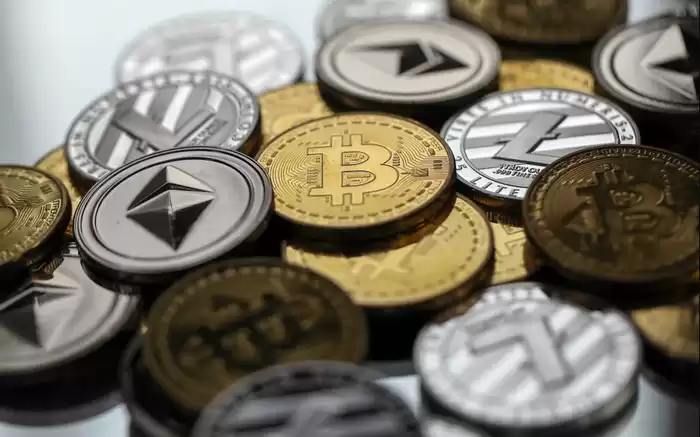
How to Buy Cryptocurrency: A Step-by-Step Guide for Beginners
Step 1: Choose a Cryptocurrency ExchangeCentralized Exchanges (CEXs): Regulated platforms that offer a wide range of cryptocurrencies and trading pairs. Examples include Coinbase, Binance, and Kraken.
Decentralized Exchanges (DEXs): Non-custodial platforms that allow users to trade directly with each other, without an intermediary. Examples include Uniswap, PancakeSwap, and SushiSwap.
Blockchain-based software or hardware that stores your cryptocurrency tokens and private keys.
Choose a wallet type based on your needs, such as software wallets (like Coinbase Wallet or MetaMask) or hardware wallets (like Trezor or Ledger).
Transfer fiat currency (e.g., USD, EUR) to your exchange account via wire transfer, ACH transfer, or credit/debit card.
Some exchanges also accept other cryptocurrencies for funding.
Once your account is funded, place a buy order for the desired cryptocurrency.
Determine the type of order (e.g., market order, limit order) and the amount you wish to purchase.
After your order executes, transfer the purchased cryptocurrency to your secure wallet for storage.
It is recommended to use a hardware wallet for higher security.
Do your research and understand the risks involved in cryptocurrency trading.
Use reputable cryptocurrency exchanges and wallets to ensure the safety of your funds.
Start with small investments and gradually increase as you gain knowledge and experience.
Monitor market trends and news to make informed decisions about buying and selling cryptocurrencies.
Seek professional advice if necessary, especially when making large investments.
Disclaimer:info@kdj.com
The information provided is not trading advice. kdj.com does not assume any responsibility for any investments made based on the information provided in this article. Cryptocurrencies are highly volatile and it is highly recommended that you invest with caution after thorough research!
If you believe that the content used on this website infringes your copyright, please contact us immediately (info@kdj.com) and we will delete it promptly.





- Bitcoin, eCash Fork, and Airdrop Dynamics: A Deep Dive into Crypto's Latest Controversies
- 2026-05-03 12:55:01
- Consensus 2026 Miami: Web3, Blockchain, Cryptocurrency, NFTs, Metaverse, Conference, May 5th — Where Wall Street Meets the Digital Frontier
- 2026-05-02 12:45:01
- Fed Holds Rates Steady, Triggering Bitcoin Price Drop Amidst Geopolitical Tensions
- 2026-05-01 06:45:01
- Bitcoin Miners Electrify the Grid: Ohio Gas Plant Acquisition Powers Up a New Era for Digital Gold
- 2026-05-01 00:45:01
- MegaETH's MEGA Token Hits the Big Apple: Setting New Performance Benchmarks for Real-Time Blockchain
- 2026-05-01 00:55:01
- Solana's Slippery Slope: Price Prediction Points to Resistance Loss and Potential Further Drops
- 2026-05-01 06:45:01
Related knowledge
What Is Blockchain Security? How Can Users Avoid Crypto Scams?
Jul 26,2026 at 04:40am
Understanding Blockchain Security Fundamentals1. Blockchain security relies on cryptographic hashing to ensure data integrity across every block in th...
What Is Token Burn? Why Do Projects Destroy Tokens?
Jul 22,2026 at 10:39am
Definition and Technical Execution1. Token burn refers to the irreversible removal of digital tokens from circulation by sending them to an inaccessib...

What Is Circulating Supply? Why Does Token Supply Matter?
Jul 21,2026 at 01:40pm
What Is Circulating Supply?1. Circulating supply refers to the number of tokens that are currently available for trading and use in the open market. 2...
What Is Market Cap in Crypto? How Is It Calculated?
Jul 24,2026 at 09:40pm
Market Volatility Patterns1. Bitcoin’s price swings often correlate with macroeconomic indicators such as U.S. inflation reports and Federal Reserve i...
What Is a Decentralized Exchange (DEX)? Is It Safer Than CEX?
Jul 21,2026 at 02:00pm
Core Architecture of DEX1. A decentralized exchange operates entirely on blockchain infrastructure without relying on centralized servers or custodial...
What Is Self-Custody Crypto? Why Do People Say “Not Your Keys, Not Your Coins”?
Jul 26,2026 at 08:19am
Core Principle of Self-Custody1. Self-custody means the user holds and manages their own private keys without delegating control to any third party. 2...
What Is Blockchain Security? How Can Users Avoid Crypto Scams?
Jul 26,2026 at 04:40am
Understanding Blockchain Security Fundamentals1. Blockchain security relies on cryptographic hashing to ensure data integrity across every block in th...
What Is Token Burn? Why Do Projects Destroy Tokens?
Jul 22,2026 at 10:39am
Definition and Technical Execution1. Token burn refers to the irreversible removal of digital tokens from circulation by sending them to an inaccessib...
What Is Circulating Supply? Why Does Token Supply Matter?
Jul 21,2026 at 01:40pm
What Is Circulating Supply?1. Circulating supply refers to the number of tokens that are currently available for trading and use in the open market. 2...
What Is Market Cap in Crypto? How Is It Calculated?
Jul 24,2026 at 09:40pm
Market Volatility Patterns1. Bitcoin’s price swings often correlate with macroeconomic indicators such as U.S. inflation reports and Federal Reserve i...
What Is a Decentralized Exchange (DEX)? Is It Safer Than CEX?
Jul 21,2026 at 02:00pm
Core Architecture of DEX1. A decentralized exchange operates entirely on blockchain infrastructure without relying on centralized servers or custodial...
What Is Self-Custody Crypto? Why Do People Say “Not Your Keys, Not Your Coins”?
Jul 26,2026 at 08:19am
Core Principle of Self-Custody1. Self-custody means the user holds and manages their own private keys without delegating control to any third party. 2...
See all articles


