







![[Multi SUB] |The reborn mountaineer Shen Qingshan not only relies on the Mountain King System to unearth treasures in the mountains and fight against the evil monopolists, but he also devotes himself to finding medicine to treat his seriously ill mother and protecting his family and the forest. #剧energychargingstation#MiniDrama#Wonderful mainland short drama](/uploads/2026/10/02/cryptocurrencies-news/videos/origin_6abf56d437add_image_500_375.webp "[Multi SUB] |The reborn mountaineer Shen Qingshan not only relies on the Mountain King System to unearth treasures in the mountains and fight against the evil monopolists, but he also devotes himself to finding medicine to treat his seriously ill mother and protecting his family and the forest. #剧energychargingstation#MiniDrama#Wonderful mainland short drama")






 |
|
 |
|
 |
|
 |
|
 |
|
 |
|
 |
|
 |
|
 |
|
 |
|
 |
|
 |
|
 |
|
 |
|
 |
|
Cryptocurrency News Articles
How Tariff Wars Could Shape the Future of Crypto
Feb 06, 2025 at 12:02 am
As global economies wrestle with trade disputes, crypto markets face ripple effects in the form of price volatility, mining disruptions and regulatory challenges
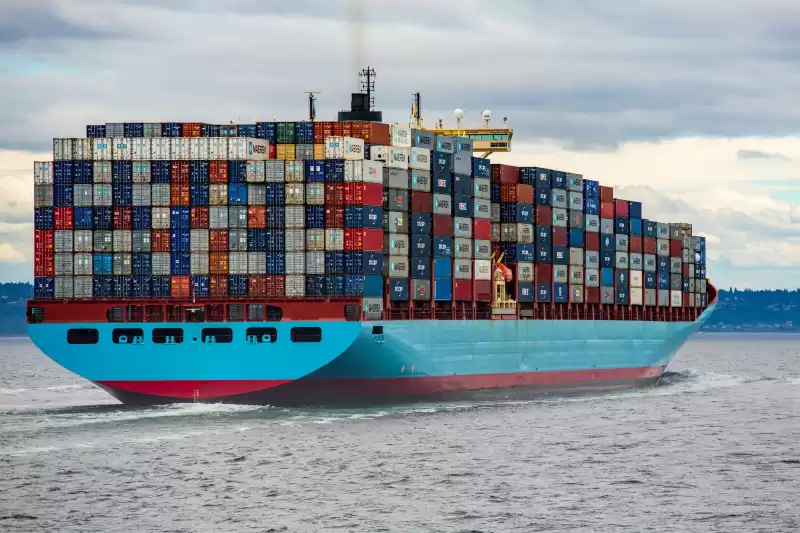
Bitcoin (BTC) price tumbled over the weekend, sinking well below the $100K mark as markets reacted to the latest escalation in the U.S. trade disputes. The broader digital asset market followed suit, leading to one of the most significant sell-offs since the outbreak of Covid and the collapse of FTX.
Specifically, President Donald Trump announced sweeping new tariffs of 25% on imports from Canada and Mexico and 10% on Chinese goods. Canada and Mexico initially retaliated but have since reached deals to delay the imposition of U.S. tariffs, while China has announced its own tariffs against U.S. goods. The developments have increased global economic uncertainty and sent risk assets into a temporary free fall.
As global economies wrestle with trade disputes, crypto markets face ripple effects in the form of price volatility, mining disruptions and regulatory challenges. But could these tensions also fuel the rise of decentralized finance? Let’s explore how tariff wars could shape the future of crypto.
BTC’s reaction to tariff announcement
President Trump announced sweeping new tariffs of 25% on imports from Canada and Mexico and 10% on Chinese goods. Markets reacted strongly to the news, with the Dow Jones Industrial Average futures dropping 400 points. The S&P 500 and Nasdaq 100 futures also fell.
Bitcoin price initially rose about $1,000 following the tariff announcement but quickly reversed course, falling below the $98K level. The cryptocurrency sank as much as 5% during the sell-off, which also saw ether drop below $2,200 and XRP trade down to $0.50.
The sell-off in the crypto market was largely driven by the sell-off in global markets. However, crypto also faced its own unique challenges due to the tariffs.
For instance, a 25% tariff on electronic components, semiconductors and mining rigs would drive up production costs and reduce profitability for crypto miners. Additionally, increased expenses could push smaller miners out of the market.
Furthermore, increased scrutiny of international crypto transactions, exchanges and cross-border payments could lead to stricter compliance requirements. This, in turn, could slow adoption rates and make crypto less accessible, particularly in regions where trade restrictions are tightening.
At the same time, heightened regulations may push some users deeper into decentralized finance (DeFi) platforms, which operate outside traditional banking systems.
Shift towards decentralized finance (DeFi)
As trade conflicts heighten distrust in traditional financial systems, decentralized finance (DeFi) may offer users a way to bypass some of the barriers imposed by tariffs and regulations.
More users may turn to DeFi platforms for financial autonomy. DeFi applications allow for peer-to-peer transactions without intermediaries, reducing reliance on traditional banking, which is often impacted by trade policies.
If tariff wars continue to disrupt traditional trade channels, crypto-based financial solutions could see increased adoption.
Conclusion
While crypto is often seen as a hedge against economic instability, it is not fully immune to the effects of tariff wars. From increased volatility and mining costs, to regulatory shifts and the potential rise of DeFi, the trade conflicts of today could shape the digital economy of tomorrow.
Investors, miners and policymakers should keep a close eye on trade developments as they navigate the complex relationship between geopolitics and digital assets.
Disclaimer:info@kdj.com
The information provided is not trading advice. kdj.com does not assume any responsibility for any investments made based on the information provided in this article. Cryptocurrencies are highly volatile and it is highly recommended that you invest with caution after thorough research!
If you believe that the content used on this website infringes your copyright, please contact us immediately (info@kdj.com) and we will delete it promptly.
-

-
- Ethereum zkAPI and Privacy-Preserving API Payments: A New Era of Confidential Transactions
- Oct 02, 2026 at 11:55 am
- Ethereum's zkAPI ushers in a new era of privacy-preserving API payments, allowing users to pay for services like AI without revealing their billing identity, a significant step forward in confidential web interactions.
-
-
- SEC Custody Reversal: Publishers Catch the News in Under Ninety Minutes While Others Languish
- Oct 02, 2026 at 11:55 am
- A recent SEC proposal on crypto self-custody made headlines remarkably fast, reaching major publishers in just eighty minutes, highlighting a stark contrast in news dissemination speeds compared to other significant crypto stories.
-
-
-
-
- Fiserv Unleashes White-Label Digital Asset Platform with Solana Stablecoin: A Game Changer for FinTech
- Oct 02, 2026 at 07:45 am
- Fiserv's new white-label platform and Solana stablecoin deployment empower financial institutions to enter the digital asset space with ease, streamlining innovation in payments.
-


