









 |
|
 |
|
 |
|
 |
|
 |
|
 |
|
 |
|
 |
|
 |
|
 |
|
 |
|
 |
|
 |
|
 |
|
 |
|
Like the wild oil booms of the 19th century, meme coins have turned digital traders into modern-day speculators.
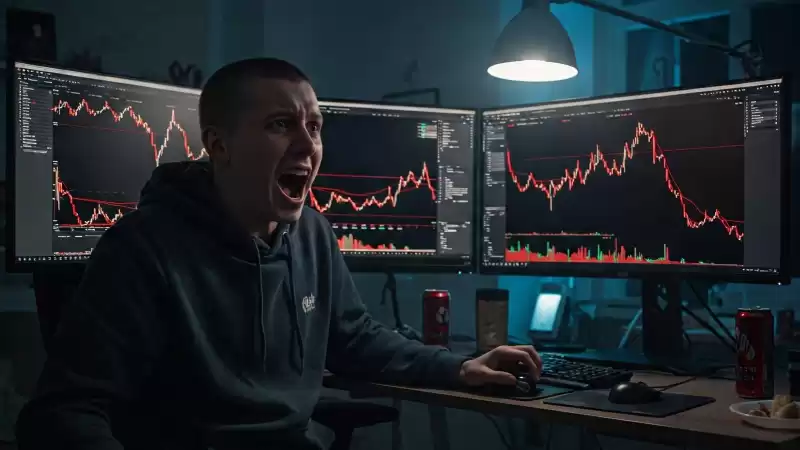
Like the wild oil booms of the 19th century, meme coins have turned digital traders into modern-day speculators. Previously, prospectors poured fortunes into unproven wells hoping to strike it rich, only to end up bankrupt when the land was dry. Similarly, meme coin purchasers are risking thousands of dollars hoping they will turn into millions.
These cryptocurrencies are created mostly as jokes, parodies, or to capitalize on internet and pop culture, now known as memes. Unlike traditional cryptocurrencies like Bitcoin or Ether, which assert intrinsic value or utility, meme coins are often launched without any real purpose or long-term vision. A meme coin will rely on humor, viral trends, or the popularity of internet figures to gain attention. Most are launched with nothing more than a silly name and a hyped-up narrative, yet they manage to attract billions of dollars from speculative traders. What many fail to realize, however, is that the game is often rigged before they even place their bets.
For many, the $TRUMP token was their first introduction to memecoins and likely to cryptocurrencies in general, but these speculative assets have been around almost as long as Bitcoin itself. The first wave emerged in 2013 with Dogecoin ($DOGE), which began as a joke but quickly gained traction as an internet phenomenon. The cycle of speculation has remained consistent: a meme coin goes viral, early adopters and insiders profit from the hype, and latecomers are often left holding worthless tokens after the inevitable crash. The $TRUMP token’s explosive rise and steep decline in January 2025 followed this well-worn pattern, demonstrating once again how meme coins thrive on hype-driven volatility.
Unlike the crypto ICO craze of 2017-18, meme coins don’t provide any real utility and aren’t tokenized Securities. However, the one similar feature is allowing early investment before public release by a select few with connections and inside knowledge. Unlike traditional cryptocurrencies, the predictable nature of a meme coin, rapidly increasing in value over short periods of time before crashing, lures many speculators to try to “sell the top”. In the end, the only clear winners tend to be the ones close to the coin’s creator.
Meme coin popularity manages to thrive off the backs of many who didn’t sell fast enough. Many of these tokens are designed to benefit their creators the most, with developers and insiders secretly holding a large share of the total supply. Once enough investors buy in, these insiders cash out, causing the price to crash. Most liquidity pools are controlled by the creators, so they can pull out the funds at any time, further destabilizing that market.
What is most interesting, perhaps, is the seeming indifference that exists for what is essentially a rigged game. “Rug-pulling”, a term to describe the abandonment of the project by its creators, refers to "pulling the rug out from under" their investments. While there is no law on the books specifically concerning rug-pulling, most successful rug-pull ventures involve fraud, conspiracy, or other criminal acts. But the enforcement against such practices is vastly disproportionate to the volume of meme coins minted every day, especially when the creators are based in a different country than the investors. This is a widespread issue where sheer project volume and founder anonymity can facilitate such fraudulent activities within and across borders. The waters only get murkier when the very creator is a person of influence.
(Node: 3)
iOS 18.3.2: Apple's Surprise iPhone Update Fixes 1 Bug, Adds 1 Frustration
A small-but-important iPhone update has arrived.
Apple released iOS 18.3.2 on Wednesday, a follow-up to the major iOS 18.3 update that arrived last month. As the numbering suggests, this is a minor update, focusing on fixing one bug and introducing one change that some users might find frustrating.
The bug fix concerns an issue that could prevent iPhone users from receiving iMessages. According to Apple's release notes, this bug mainly affected iPhone SE (3rd generation) devices.
If you're an iPhone SE (3rd generation) user who was having trouble receiving iMessages, installing iOS 18.3.2 should hopefully resolve the issue.
Apple also noted that the update brings "improved system performance" and that it "includes additional bug fixes and stability improvements."
However, the one change in this update might be viewed negatively by some iPhone users.
Apple has removed the option to disable setting a passcode on your iPhone. Previously, users could choose to have no passcode at all and rely solely on Face ID or Touch ID for device security.
Now, setting a passcode is mandatory, and users can only choose the time after which the passcode will be required.
This change likely comes in response to new regulations in certain regions, which mandate minimum security standards for devices used
Disclaimer:info@kdj.com
The information provided is not trading advice. kdj.com does not assume any responsibility for any investments made based on the information provided in this article. Cryptocurrencies are highly volatile and it is highly recommended that you invest with caution after thorough research!
If you believe that the content used on this website infringes your copyright, please contact us immediately (info@kdj.com) and we will delete it promptly.
-

-
-
- Binance Hack, Thai Scrutiny, and Crypto-Related Security: A New York Minute on Digital Asset Safety
- Oct 31, 2026 at 12:05 pm
- A recent $6.3 billion Binance hack has sparked global concern and renewed Thai regulatory scrutiny, highlighting critical vulnerabilities in crypto security. This incident underscores the urgent need for robust exchange safeguards and vigilant user practices in the rapidly evolving digital asset landscape.
-
- Wall Street Analysts Weigh In: Binance Hack Sparks Debate on Crypto Stocks Amidst Market Volatility
- Oct 31, 2026 at 12:05 pm
- Following a massive $6.3 billion Binance hack, Wall Street analysts are divided on the impact to crypto stocks, with some urging a buying opportunity while others caution about structural risks.
-
-
-
- Cardano Foundation's CIP-0113 Propels Tokenized Securities into Swiss Spotlight
- Oct 30, 2026 at 07:55 pm
- Cardano Foundation joins CMTA, bringing its CIP-0113 standard to the forefront of Swiss tokenized securities, enabling compliant equity issuance and marking a significant step for blockchain in finance.
-
-
- Ripple and World Liberty Financial Join Forces with Tether and Circle to Freeze Funds Amidst Binance Hack Concerns
- Oct 30, 2026 at 07:55 pm
- A coordinated effort by major stablecoin issuers, including Ripple and World Liberty Financial, to freeze assets linked to a suspected Binance hack highlights growing inter-company cooperation in combating crypto crime.


