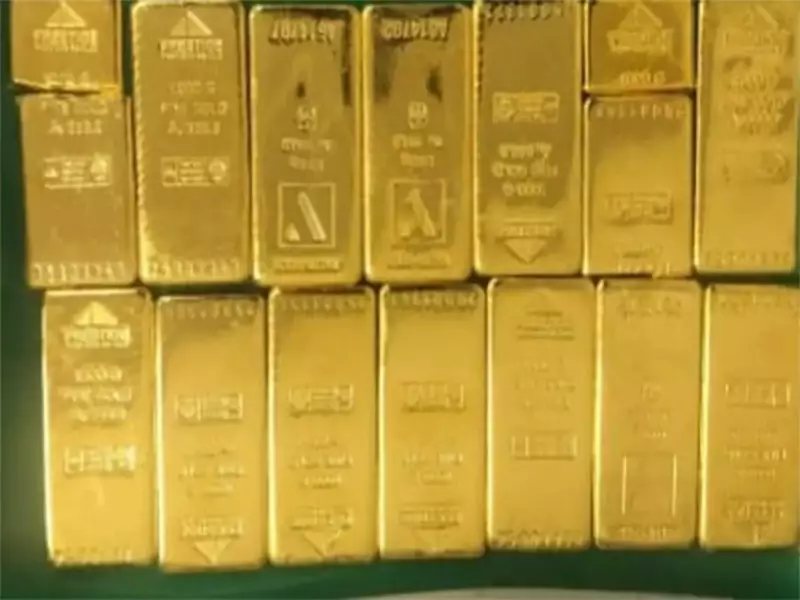
India's gold demand pivots to investment, with bars, coins, and ETFs seeing robust growth. Record prices drive this shift, pushing investment values to new highs.

The Golden Pivot: Investment Outshines Ornamentation
A recent World Gold Council report paints a clear picture: India's love affair with gold is evolving. While historically cherished for its ornamental value, gold is now firmly establishing itself as a premier investment vehicle. The report anticipates strong demand for physical bullion through 2026, fueled by a sustained shift from traditional jewelry purchases to pure investment products. This isn't just a trend; it's a structural change, with investment demand hitting over 90 tonnes for two consecutive quarters—a feat not seen since 2013. The total investment value reached a staggering USD 32 billion, reflecting this profound change.
Diversifying the Portfolio: Bars, Coins, and Digital Gold Take Center Stage
What's driving this investment surge? Several factors are at play. The depreciating rupee in 2024 amplified local gold prices, creating a "momentum buying" frenzy. Astute consumers, traditionally buying jewelry for its investment potential, are now opting for lower-margin bars and coins. Gold Exchange-Traded Funds (ETFs) are also experiencing a boom, with new product listings catering to this burgeoning interest. Even digital gold purchases have nearly tripled in value, indicating a broader, more diverse investor base. Adding to this momentum, India's pension regulator has opened doors for National Pension System funds to invest in gold and silver ETFs, promising even greater institutional interest. This shows a maturing market where diverse investment avenues are not just available but actively pursued.
Jewelry's Evolving Role Amidst Record Prices
While the spotlight is on investment, gold jewelry isn't entirely fading. Festival and wedding seasons continue to provide a quarterly boost. However, record-high gold prices have led to a sharp year-on-year drop in the quantity of jewelry purchased. Indian consumers, often operating on fixed budgets, find themselves buying less physical gold when prices surge. Despite this, the value spent on jewelry remains robust, with a record USD 19 billion in the final quarter, bringing the annual total to an unprecedented USD 49 billion. Interestingly, 14k jewelry is gaining traction among younger, urban demographics, particularly in northern India. Yet, a significant portion of the country remains wary, viewing lower caratage as diluting gold's primary appeal: long-term capital preservation. This suggests a nuanced market where traditional values still hold sway alongside modern preferences.
Economic Undercurrents Supporting Gold's Appeal
Gold's appeal is further amplified by the broader economic landscape. The report suggests that equities might remain less attractive due to high valuations, potential tariffs, and foreign outflows. In this environment, gold acts as a reliable safe haven and a store of value. The depreciating rupee, as mentioned earlier, only sweetens the deal for local investors, making gold an even more compelling asset class. It's a classic New York story: when traditional markets get shaky, smart money looks for stability, and right now, that stability often glitters.
So, if you're keeping an eye on the shiny stuff, India's gold market is certainly one to watch. It's not just about tradition anymore; it's about smart investing, shifting priorities, and a market that's adapting faster than a taxi driver on a Monday morning. The future of gold in India looks less like an heirloom and more like a high-performing asset. Pretty neat, right?













![[4K 60fps] epilogue by SubStra (The Demon Route, 1 Coin)](/uploads/2026/01/30/cryptocurrencies-news/videos/origin_697c08ce4555f_image_500_375.webp "[4K 60fps] epilogue by SubStra (The Demon Route, 1 Coin)")