









 |
|
 |
|
 |
|
 |
|
 |
|
 |
|
 |
|
 |
|
 |
|
 |
|
 |
|
 |
|
 |
|
 |
|
 |
|
Cryptocurrency News Articles
DePIN Explained: How Blockchain is Transforming Real-World Infrastructure
Apr 02, 2025 at 07:12 pm
Decentralized Physical Infrastructure Networks, or DePIN, represent a new paradigm in how we build and operate real-world infrastructure.
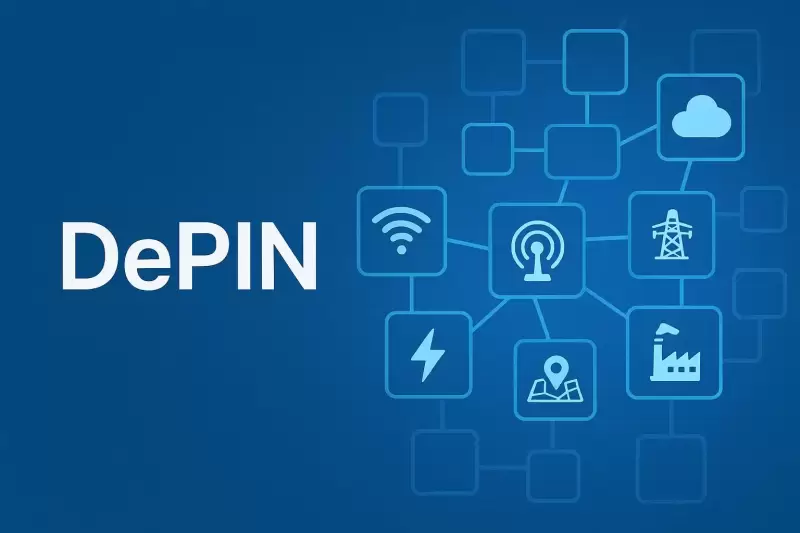
Decentralized Physical Infrastructure Networks, commonly known as DePIN, represent a new paradigm in how we build and operate real-world infrastructure, shifting the focus from large corporations or government entities to community ownership and maintenance.
At its essence, DePIN is about converging physical infrastructure with decentralized networks. It works by enabling individuals to deploy real, physical hardware—such as wireless hotspots, sensors, servers, or other devices—and receive crypto tokens in return for providing useful services to the network. The blockchain acts as the public ledger and coordination layer, recording all contributions and usage of the service, handling token transactions, and enforcing the rules (often through smart contracts) that keep the network running fairly and transparently.
Key components of a DePIN include:
* Community-Run Hardware: Participants (who can be everyday people or small businesses) deploy physical nodes (e.g., antennas, routers, sensors) that provide a service (e.g., network coverage, storage space, sensor data) to users.
* Blockchain Coordination: A blockchain network keeps a tamper-proof record of all service activity and contributions, acting as a neutral manager. It tracks which node provided what service and when. Because the records are public and verifiable, participants can trust the system without a central authority.
* Token Incentives: The network’s native crypto tokens align everyone’s incentives. Contributors earn tokens as rewards for providing services (like hosting a hotspot or sharing spare computing power), while users of the service might pay in tokens or spend tokens (or associated credits) to access the infrastructure. Tokens can also confer governance rights, letting the community vote on upgrades or policies.
* Decentralized Coordination: Decisions and growth happen from the bottom up. There is no single company controlling the network; instead, open participation means anyone who meets the basic requirements (e.g., buying a device and following the protocol) can join and contribute. This broad participation makes the network more resilient and often more geographically widespread than centrally planned systems.
In essence, DePIN applies this model of a peer-to-peer economy to infrastructure.
For instance, visualize a “people-powered” wireless network. Individuals install wireless hotspots in their homes or offices, and these devices work together to form a crowd-sourced network that provides local coverage for internet and IoT data. The blockchain records each data delivery from a hotspot and automatically rewards the owner with tokens as compensation for providing coverage. The result is a public network built and maintained by its users, as opposed to a network created by a telecom giant.
This approach makes infrastructure more accessible, efficient, and resilient. There is no single point of failure, and the network grows where people find it useful.
DePIN has the potential to democratize infrastructure in the same way that Bitcoin and DeFi democratized finance, reducing reliance on monopolies or big intermediaries as communities fill service gaps themselves.
The contributors who help run the network are rewarded with tokens, which bootstraps growth—the more people join and contribute, the stronger the network becomes, which in turn attracts more users in a virtuous cycle. It also encourages innovation and local solutions—rather than one-size-fits-all infrastructure, different regions or groups can deploy what they need, when they need it, without waiting for corporate investment or government programs.
In the next sections, we’ll explore how DePIN principles are being applied across various sectors—from telecom and energy to mobility and mapping—with real-world projects leading the way.
1. Telecom and Wireless Networks
One of the most prominent use cases for DePIN is in telecommunications, particularly wireless internet and IoT connectivity. Traditional wireless networks, such as cellular data or WiFi hotspots, are provided by large telecom companies that build towers and infrastructure. DePIN projects are turning this model upside down by crowdsourcing coverage from the ground up.
Participants can set up small wireless nodes in their homes or businesses, creating a decentralized communication network that anyone nearby can use. By contributing bandwidth and coverage, these participants earn crypto tokens as rewards. This acts as a mini service provider in the broadest sense of the word.
The blockchain serves as the public ledger and coordinator, recording all contributions and usage fairly and transparently. It also enforces the rules of the network to keep it running smoothly.
Helium – The People-Powered Wireless Network
A leading example in this space is the Helium Network, which allows individuals to host low-cost wireless hotspots that provide connectivity for Internet of Things (IoT) devices (and more recently, for cellular data as well). In return, hotspot hosts earn Helium’s native cryptocurrency, HNT. This model has led to the rapid growth of a truly people-powered network.
Helium became the world’s largest decentralized wireless network, with over 375,000 active hotspots deployed by everyday users around the globe. Each hotspot acts like a mini cell tower or WiFi router, and together they form a blanket of coverage for sensors, smart devices, and even phones in some areas.
Helium
Disclaimer:info@kdj.com
The information provided is not trading advice. kdj.com does not assume any responsibility for any investments made based on the information provided in this article. Cryptocurrencies are highly volatile and it is highly recommended that you invest with caution after thorough research!
If you believe that the content used on this website infringes your copyright, please contact us immediately (info@kdj.com) and we will delete it promptly.
-

-
-
- Securitize Stock Soars on StoneX Target Hike and Innovative Platform Launch
- Oct 13, 2026 at 07:55 am
- Securitize's new tokenized stock platform, Securitize Stocks, has propelled its shares and led StoneX to significantly raise its price target, signaling a new era for digital assets in traditional markets.
-
- Bitcoin, CPI Week, and Pepeto: Navigating Market Volatility for Potential Gains
- Oct 13, 2026 at 04:05 am
- As CPI week approaches, the crypto market holds its breath. Bitcoin hovers near key resistance levels, while the innovative Pepeto presale offers a different path to potential returns, attracting early adopters seeking significant growth.
-
- Kaspa Founder, Kaspa Community, Growing Criticism: The Silent Scientist vs. The Roaring Crowd
- Oct 13, 2026 at 04:05 am
- Amidst rising criticism, Kaspa founder Yonatan Sompolinsky's silence is viewed by supporters as a strategic strength, drawing more attention to the project and its robust technical foundations.
-
- Uniswap's Unichain Embraces OP Enterprise for a Supercharged Future in Interoperability
- Oct 13, 2026 at 04:05 am
- Uniswap's Unichain is making a strategic move to OP Enterprise, aiming for native interoperability within the Optimism Superchain, with key migration dates set for October 2026. This upgrade signals a future of seamless cross-chain asset flows and enhanced developer opportunities.
-
- Hardware Wallets & Crypto Security: Navigating the Shifting Sands of Digital Custody in NYC
- Oct 13, 2026 at 03:59 am
- Recent hardware wallet compromises, particularly the Ledger incident, have ignited a crucial debate in the crypto world: are self-custody devices truly safer than exchange-traded funds (ETFs)? This news release delves into the evolving landscape of crypto security, supply chain vulnerabilities, and the ongoing quest for robust digital asset protection, all with a nod to the savvy New Yorker.
-
-
- DeepSeek Invests Big in Robot Brains with Ex-Tencent Scientist's Startup
- Oct 13, 2026 at 03:55 am
- DeepSeek is leading a seed round for Winverse AI, a robotics startup founded by an ex-Tencent scientist, signaling a major push into real-world AI applications and a competitive move in the robotics space.


