















![THIS IS THE HARDEST COIN TO GET [POLY DASH]](/uploads/2026/01/31/cryptocurrencies-news/videos/origin_697e0319ee56d_image_500_375.webp "THIS IS THE HARDEST COIN TO GET [POLY DASH]")








-
 bitcoin
 $87959.907984 USD
1.34% - ethereum
$2920.497338 USD
3.04% - tether
$0.999775 USD
0.00% - xrp
$2.237324 USD
8.12% - bnb
$860.243768 USD
0.90% - solana
$138.089498 USD
5.43% - usd-coin
$0.999807 USD
0.01% - tron
$0.272801 USD
-1.53% - dogecoin
$0.150904 USD
2.96% - cardano
$0.421635 USD
1.97% - hyperliquid
$32.152445 USD
2.23% - bitcoin-cash
$533.301069 USD
-1.94% - chainlink
$12.953417 USD
2.68% - unus-sed-leo
$9.535951 USD
0.73% - zcash
$521.483386 USD
-2.87%











does bitcoin follow the stock market
Despite historical correlations, Bitcoin's price behavior can diverge from the stock market, influenced by factors such as economic sentiment, risk appetite, and the evolving cryptocurrency landscape.
Oct 04, 2024 at 01:24 pm
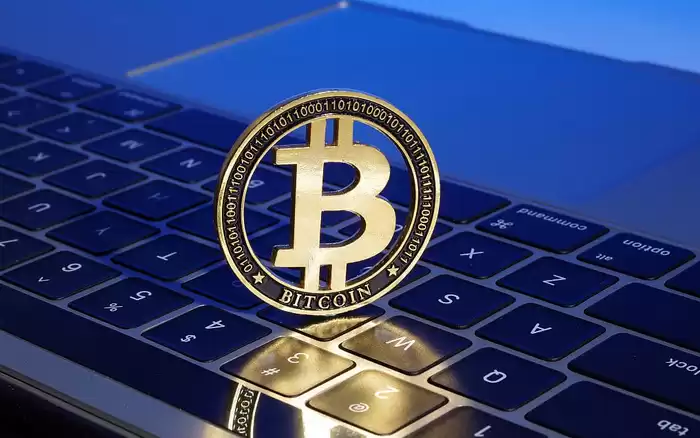
Does Bitcoin Follow the Stock Market?
Bitcoin is a decentralized digital currency, while the stock market is a centralized system for buying and selling shares of publicly traded companies. Despite their differences, some investors believe that Bitcoin's price may be influenced by the performance of the stock market.
- Correlation Between Bitcoin and the Stock Market
- In the past, there has been a moderate positive correlation between Bitcoin's price and the S&P 500 index, a widely used measure of the overall performance of the U.S. stock market. This means that when the stock market goes up, Bitcoin's price tends to go up as well, and vice versa.
- Factors Influencing the Correlation
- There are several factors that may contribute to the correlation between Bitcoin and the stock market.
Economic Sentiment: When the economy is doing well, investors may be more optimistic about both the stock market and Bitcoin, leading to price increases in both markets.
- Risk Appetite: Bitcoin is often perceived as a risky investment, similar to stocks. When investors are more willing to take risks, they may allocate funds to both Bitcoin and the stock market.
- Institutional Investors: Institutional investors, such as pension funds and hedge funds, have increasingly invested in Bitcoin in recent years. These investors often follow similar investment strategies for both traditional assets and digital assets, which can further align the price movements of Bitcoin and the stock market.
- Recent Trends
- In early 2022, the correlation between Bitcoin and the stock market weakened significantly. This could be due to several factors, including regulatory concerns, macroeconomic uncertainty, and the growing popularity of alternative cryptocurrencies.
- Diversification Benefits
- Despite the recent weakening of the correlation, Bitcoin can still provide diversification benefits to investment portfolios. Bitcoin's low correlation with traditional assets can help reduce overall portfolio risk.
- Conclusion
- While Bitcoin's price has historically shown some correlation with the stock market, this correlation is not always strong and can change over time. Investors should be aware of the potential risks and benefits of investing in Bitcoin and diversify their portfolios accordingly.
Disclaimer:info@kdj.com
The information provided is not trading advice. kdj.com does not assume any responsibility for any investments made based on the information provided in this article. Cryptocurrencies are highly volatile and it is highly recommended that you invest with caution after thorough research!
If you believe that the content used on this website infringes your copyright, please contact us immediately (info@kdj.com) and we will delete it promptly.






- Shiba Inu Developer Defends Leadership Amidst Price Criticism, Eyes Future Developments
- 2026-02-01 03:50:02
- Dogecoin's Volatile Dance: Navigating Hidden Opportunities Amidst Nuclear Risk
- 2026-02-01 04:25:01
- MEXC's Gold Launchpad Ignites Zero-Fee Investments in Tokenized Gold Amidst Gold's Record Rally
- 2026-02-01 04:40:02
- DOGEBALL Unleashes L2 Gaming Revolution with Explosive Crypto Presale
- 2026-02-01 04:35:01
- GPT-5's Foresight, Solana's Frontier, and Ethereum's Enduring Gauntlet: Navigating the New Crypto Epoch
- 2026-02-01 04:35:01
- Crypto Coaster: Bitcoin Navigates Intense Liquidation Hunt as Markets Reel
- 2026-02-01 00:40:02
Related knowledge
What is the total supply of Bitcoin?
Oct 10,2025 at 01:55pm
Total Supply of Bitcoin1. The total supply of Bitcoin is capped at 21 million coins. This limit is hardcoded into the Bitcoin protocol and cannot be a...

Can you buy a fraction of a Bitcoin?
Oct 10,2025 at 06:01pm
Understanding Fractional Bitcoin Ownership1. Yes, you can buy a fraction of a Bitcoin. The smallest unit of Bitcoin is called a satoshi, which represe...

How to buy Bitcoin for the first time?
Oct 21,2025 at 11:00am
Understanding Bitcoin and Its Value1. Bitcoin is a decentralized digital currency that operates on a peer-to-peer network without the need for interme...

Why is Bitcoin considered a revolutionary technology?
Aug 12,2025 at 08:29pm
Decentralization and the Elimination of Central AuthoritiesThe core innovation behind Bitcoin lies in its decentralized architecture, which fundamenta...
Why is Bitcoin considered a revolutionary technology?
Aug 10,2025 at 07:42pm
Decentralized Architecture and Trustless TransactionsBitcoin is considered revolutionary because it introduced a decentralized architecture that opera...
What are the key features of Bitcoin?
Aug 10,2025 at 02:50am
Decentralization and Peer-to-Peer NetworkOne of the most defining characteristics of Bitcoin is its decentralized nature. Unlike traditional financial...
What is the total supply of Bitcoin?
Oct 10,2025 at 01:55pm
Total Supply of Bitcoin1. The total supply of Bitcoin is capped at 21 million coins. This limit is hardcoded into the Bitcoin protocol and cannot be a...
Can you buy a fraction of a Bitcoin?
Oct 10,2025 at 06:01pm
Understanding Fractional Bitcoin Ownership1. Yes, you can buy a fraction of a Bitcoin. The smallest unit of Bitcoin is called a satoshi, which represe...
How to buy Bitcoin for the first time?
Oct 21,2025 at 11:00am
Understanding Bitcoin and Its Value1. Bitcoin is a decentralized digital currency that operates on a peer-to-peer network without the need for interme...
Why is Bitcoin considered a revolutionary technology?
Aug 12,2025 at 08:29pm
Decentralization and the Elimination of Central AuthoritiesThe core innovation behind Bitcoin lies in its decentralized architecture, which fundamenta...
Why is Bitcoin considered a revolutionary technology?
Aug 10,2025 at 07:42pm
Decentralized Architecture and Trustless TransactionsBitcoin is considered revolutionary because it introduced a decentralized architecture that opera...
What are the key features of Bitcoin?
Aug 10,2025 at 02:50am
Decentralization and Peer-to-Peer NetworkOne of the most defining characteristics of Bitcoin is its decentralized nature. Unlike traditional financial...
See all articles


