














-
 bitcoin
 $86353.520310 USD
1.06% - ethereum
$2748.504094 USD
0.61% - tether
$0.999805 USD
0.00% - bnb
$789.713139 USD
0.35% - xrp
$1.621177 USD
6.50% - usd-coin
$0.999968 USD
-0.01% - solana
$118.732892 USD
1.75% - tron
$0.343839 USD
-1.32% - zcash
$1622.688363 USD
8.33% - hyperliquid
$97.151941 USD
2.83% - dogecoin
$0.101886 USD
2.10% - monero
$571.352536 USD
-0.93% - chainlink
$13.016236 USD
0.75% - cardano
$0.257732 USD
5.00% - unus-sed-leo
$8.985389 USD
0.15%











Web3 wallet security settings: password, mnemonic and private key management
To safeguard your Web3 wallet, employ a robust password and store your mnemonic and private key securely, preferably in a hardware wallet.
Nov 02, 2024 at 10:05 pm
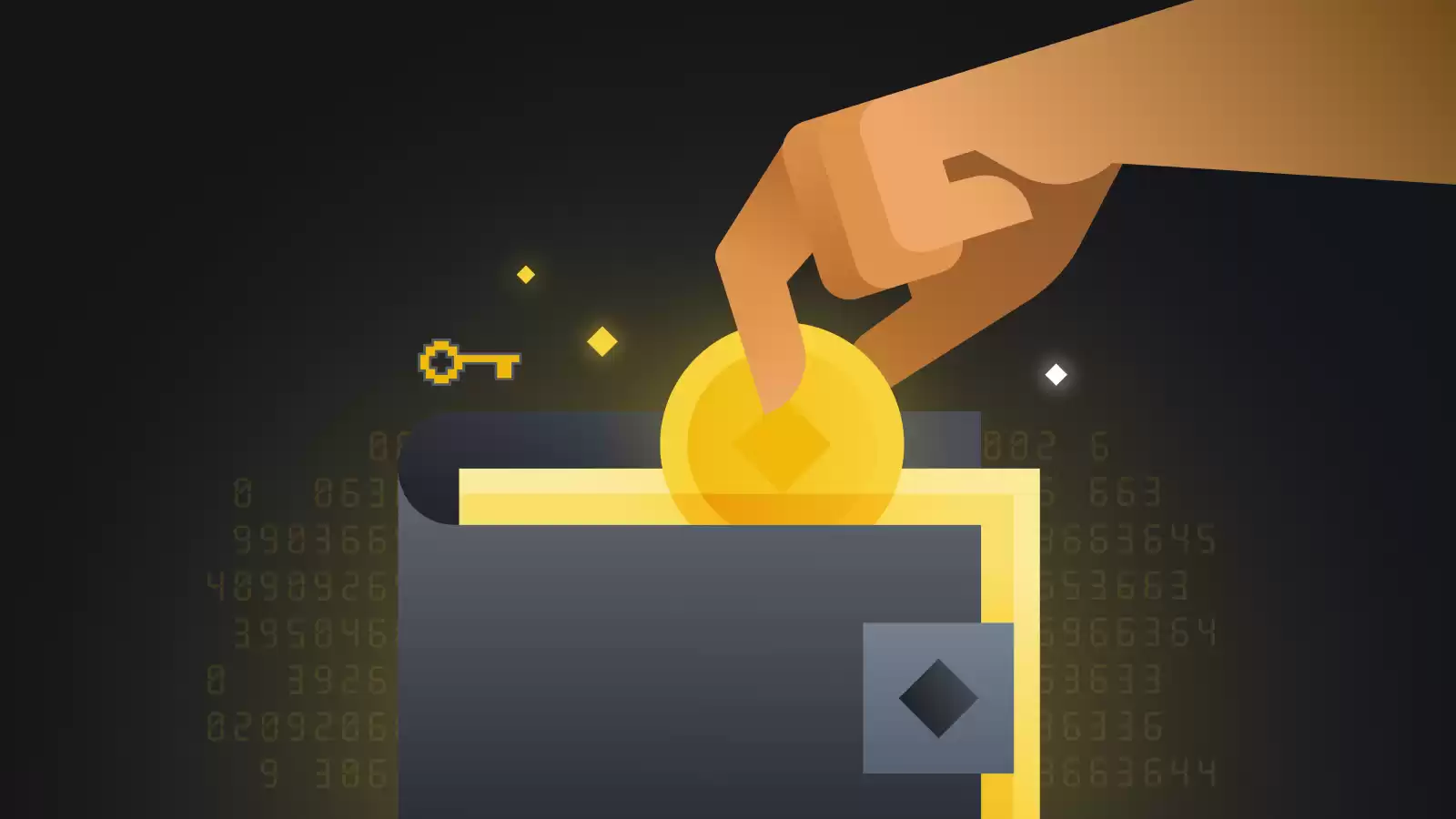
Web3 Wallet Security Settings: Password, Mnemonic, and Private Key Management
1. Password
The password is the first line of defense for your Web3 wallet. It should be strong and unique, and not used for any other account. A strong password is at least 12 characters long, contains a mix of upper and lower case letters, numbers, and symbols, and does not contain any dictionary words.
2. Mnemonic
A mnemonic is a set of 12 or 24 words that are used to generate your private key. The mnemonic should be stored securely, as it can be used to recover your wallet if you lose your password. It is important to never share your mnemonic with anyone, as it could give them access to your funds.
3. Private Key
The private key is the most important piece of information in your Web3 wallet. It is a long string of characters that is used to sign transactions and access your funds. The private key should be stored securely, as it could give someone access to your funds if it is compromised.
4. Best Practices for Managing Passwords, Mnemonics, and Private Keys
Here are some best practices for managing your passwords, mnemonics, and private keys:
- Use a strong password and mnemonic.
- Do not store your mnemonic or private key on your computer or phone.
- Store your mnemonic and private key in a secure location, such as a hardware wallet.
- Never share your mnemonic or private key with anyone.
- Back up your mnemonic and private key regularly.
Disclaimer:info@kdj.com
The information provided is not trading advice. kdj.com does not assume any responsibility for any investments made based on the information provided in this article. Cryptocurrencies are highly volatile and it is highly recommended that you invest with caution after thorough research!
If you believe that the content used on this website infringes your copyright, please contact us immediately (info@kdj.com) and we will delete it promptly.






- Pepeto vs. The Giants: Unveiling the Next 100x Crypto Amidst ADA and CRO's Steady Climb
- 2026-09-24 08:35:01
- Bittensor Price Prediction Soars 20% as Pepeto Presale Captures Early Investor Attention
- 2026-09-24 08:45:02
- Pepeto, XRP, and SHIB: Navigating the Next Wave in Crypto's Dynamic Landscape
- 2026-09-24 04:55:01
- MoonPay Acquires North Capital, Bolstering Private Markets Infrastructure for Tokenized Assets
- 2026-09-24 04:55:01
- Blockchain.com and NYSE Forge Ahead in Tokenized Securities with Global 24/7 Trading Vision
- 2026-09-24 05:00:01
- Circle's Stablecoin Chain, USDC, and Stablecoin Chain Dynamics: A New Era Dawns
- 2026-09-24 05:00:01
Related knowledge
How to protect a Phantom Wallet from scams?
Sep 21,2026 at 10:00am
Bitcoin Halving Mechanics1. Bitcoin’s protocol enforces a fixed issuance schedule where block rewards are cut in half approximately every 210,000 bloc...
How to import a private key into MetaMask?
Sep 21,2026 at 06:00pm
Market Volatility Patterns1. Price swings exceeding 15% within a 24-hour window have occurred in over 68% of Bitcoin’s trading days since 2021. 2. Eth...
How to fix a failed transaction in Phantom Wallet?
Sep 21,2026 at 04:39am
Understanding Transaction Failures in Phantom Wallet1. Phantom Wallet relies on Solana’s RPC infrastructure to broadcast and confirm transactions. A f...
How to find a transaction ID in Phantom Wallet?
Sep 23,2026 at 10:20am
Finding Transaction ID in Phantom Wallet Interface1. Open the Phantom Wallet extension or mobile application and ensure you are logged into the correc...
How to find the transaction hash in Trust Wallet?
Sep 23,2026 at 10:00pm
Finding Transaction Hash in Trust Wallet1. Open the Trust Wallet application on your mobile device and ensure you are logged into the correct wallet a...
How to switch from Ethereum to Arbitrum in MetaMask?
Sep 23,2026 at 07:39am
Adding Arbitrum Network to MetaMask1. Open the MetaMask extension in your browser and click the network selector located at the top of the interface. ...
How to protect a Phantom Wallet from scams?
Sep 21,2026 at 10:00am
Bitcoin Halving Mechanics1. Bitcoin’s protocol enforces a fixed issuance schedule where block rewards are cut in half approximately every 210,000 bloc...
How to import a private key into MetaMask?
Sep 21,2026 at 06:00pm
Market Volatility Patterns1. Price swings exceeding 15% within a 24-hour window have occurred in over 68% of Bitcoin’s trading days since 2021. 2. Eth...
How to fix a failed transaction in Phantom Wallet?
Sep 21,2026 at 04:39am
Understanding Transaction Failures in Phantom Wallet1. Phantom Wallet relies on Solana’s RPC infrastructure to broadcast and confirm transactions. A f...
How to find a transaction ID in Phantom Wallet?
Sep 23,2026 at 10:20am
Finding Transaction ID in Phantom Wallet Interface1. Open the Phantom Wallet extension or mobile application and ensure you are logged into the correc...
How to find the transaction hash in Trust Wallet?
Sep 23,2026 at 10:00pm
Finding Transaction Hash in Trust Wallet1. Open the Trust Wallet application on your mobile device and ensure you are logged into the correct wallet a...
How to switch from Ethereum to Arbitrum in MetaMask?
Sep 23,2026 at 07:39am
Adding Arbitrum Network to MetaMask1. Open the MetaMask extension in your browser and click the network selector located at the top of the interface. ...
See all articles


