











![[Premiere of new drama] A scumbag cheated on his sister before marriage. She turned around and married an](/uploads/2026/09/28/cryptocurrencies-news/videos/origin_6ab9f954bcfd4_image_500_375.webp "[Premiere of new drama] A scumbag cheated on his sister before marriage. She turned around and married an")






-
 bitcoin
 $83069.738644 USD
-1.71% - ethereum
$2647.234855 USD
-2.15% - tether
$0.999549 USD
-0.01% - bnb
$763.231625 USD
-1.53% - xrp
$1.480335 USD
-2.74% - usd-coin
$0.999917 USD
0.01% - solana
$118.627399 USD
-2.28% - tron
$0.333784 USD
0.19% - zcash
$1546.788972 USD
-6.91% - hyperliquid
$89.122220 USD
-3.89% - dogecoin
$0.092894 USD
-4.17% - chainlink
$13.780821 USD
-3.63% - monero
$533.616649 USD
-4.01% - cardano
$0.245086 USD
-4.10% - unus-sed-leo
$9.072685 USD
0.08%











MetaMask and imToken: Two Web3 wallets with different concepts
MetaMask's browser-based approach offers convenience and accessibility, while imToken's mobile-first design provides a seamless and user-friendly experience for both beginners and experienced crypto users.
Oct 29, 2024 at 12:27 pm
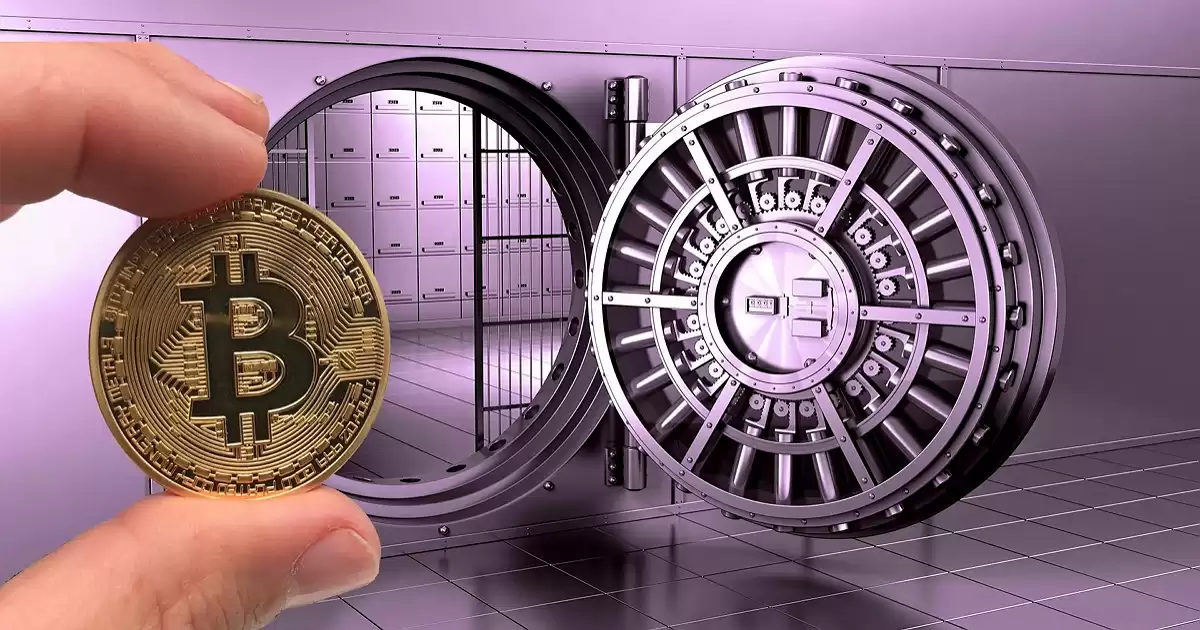
MetaMask and imToken: A Comparison of Two Web3 Wallets with Different Concepts
In the realm of Web3 and decentralized finance (DeFi), wallets play a crucial role in storing, managing, and transacting digital assets. Among the various wallets available, MetaMask and imToken stand out as two popular options. However, despite their common purpose, these wallets adopt distinct concepts and target different user bases. This article will delve into the key differences between MetaMask and imToken, providing a comprehensive comparison for users to make informed choices.
1. Concept and Approach
- MetaMask: MetaMask is primarily a browser extension that seamlessly integrates with Web3 applications and services. It operates as a gateway to the decentralized web, allowing users to interact with Ethereum and EVM-compatible blockchains directly from their browsers. Unlike other wallets that require separate desktop or mobile applications, MetaMask's browser-based approach offers convenience and accessibility.
- imToken: imToken, on the other hand, is a comprehensive mobile-first crypto wallet that provides a wide range of features beyond just managing digital assets. It includes DeFi functionality, NFT support, decentralized exchange (DEX) integration, and a user-friendly interface designed for both beginners and experienced users.
2. User Interface and Accessibility
- MetaMask: MetaMask features a relatively technical user interface that may require some level of understanding of blockchain and cryptocurrency fundamentals. The browser extension approach can sometimes lead to compatibility issues or limited functionality based on the browser being used.
- imToken: imToken's mobile-first approach provides a seamless and user-friendly experience. Its intuitive interface and simplified navigation make it accessible even to users with minimal knowledge of cryptocurrencies.
3. Feature Set and Functionality
- MetaMask: MetaMask is primarily designed for managing and interacting with decentralized applications (dApps). It supports Ethereum and a wide range of EVM-compatible networks, allowing users to connect to DeFi platforms, NFT marketplaces, and other Web3 services.
- imToken: imToken offers a broader range of features, including DeFi integration, NFT support, DEX access, and fiat currency on-ramps. It provides a more comprehensive suite of tools for managing, trading, and interacting with the crypto ecosystem.
4. Security and Privacy
- MetaMask: MetaMask utilizes industry-standard security practices such as private key encryption, two-factor authentication, and fraud prevention measures. However, its browser extension architecture may expose users to vulnerabilities associated with browser-based applications.
- imToken: imToken employs multiple security layers, including hierarchical deterministic (HD) wallets, multi-signature support, and hardware wallet compatibility. Its mobile-based approach offers additional security against phishing and social engineering attacks.
5. Target Audience
- MetaMask: MetaMask is geared towards users with a technical background and those who need advanced functionality for interacting with decentralized applications. It appeals to developers, power users, and individuals who seek a customizable and flexible wallet solution.
- imToken: imToken targets a broader audience, including beginners, casual users, and those who value user-friendliness and a wider range of features. Its accessible interface and comprehensive offerings make it suitable for both everyday cryptocurrency usage and complex financial management.
Conclusion
MetaMask and imToken represent two distinct approaches to Web3 wallets. MetaMask excels as a browser-based gateway to decentralized applications, providing technical users with advanced functionality and seamless dApp integration. On the other hand, imToken offers a comprehensive mobile-first experience, ideal for beginners and users seeking a broader range of features, including DeFi, NFT, and fiat on-ramp support. The choice between the two depends on individual preferences, technical proficiency, and intended usage.
Disclaimer:info@kdj.com
The information provided is not trading advice. kdj.com does not assume any responsibility for any investments made based on the information provided in this article. Cryptocurrencies are highly volatile and it is highly recommended that you invest with caution after thorough research!
If you believe that the content used on this website infringes your copyright, please contact us immediately (info@kdj.com) and we will delete it promptly.






- Michael Saylor Champions a "Bill of Digital Rights" to Unlock Digital Asset Potential and Fuel AI-Driven Economy
- 2026-09-28 16:35:01
- Bitcoin ETFs See $5.3B Inflow Surge Following Treasury Buyback Signal, Analysts Watch for Sustained Demand
- 2026-09-28 12:45:01
- Net Treasury Cash Flow: A $58.42 Billion September 30 Snapshot
- 2026-09-28 12:30:02
- Quant Network Ignites Banking Sector Engagement with Landmark Interoperability Deal, Driving QNT Surge
- 2026-09-28 12:55:01
- Bitcoin ETFs Surge: $5.3 Billion Inflow Coincides with Treasury Buyback Plan Amidst Market Dynamics
- 2026-09-28 12:45:01
- THORChain, Bitget, and the ETH Evolution: Navigating Decentralization in the Wake of a Major Hack
- 2026-09-28 08:35:01
Related knowledge
How to protect a Phantom Wallet from scams?
Sep 21,2026 at 10:00am
Bitcoin Halving Mechanics1. Bitcoin’s protocol enforces a fixed issuance schedule where block rewards are cut in half approximately every 210,000 bloc...
How to import a recovery phrase into Phantom Wallet?
Sep 28,2026 at 04:40pm
Bitcoin Halving Mechanics1. Bitcoin’s protocol enforces a fixed issuance schedule where block rewards are cut in half approximately every 210,000 bloc...
How to import a private key into MetaMask?
Sep 21,2026 at 06:00pm
Market Volatility Patterns1. Price swings exceeding 15% within a 24-hour window have occurred in over 68% of Bitcoin’s trading days since 2021. 2. Eth...
How to export a private key from Trust Wallet?
Sep 27,2026 at 12:19am
Bitcoin Halving Mechanics1. Bitcoin’s protocol enforces a fixed issuance schedule where block rewards are cut in half approximately every 210,000 bloc...
How to restore MetaMask on a new device?
Sep 28,2026 at 08:39am
Recovery Phrase Verification1. Launch MetaMask on the new device and select “Import wallet” instead of “Create a new wallet”. 2. Enter the full 12-wor...
How to restore Phantom Wallet on a new phone?
Sep 27,2026 at 03:59pm
Restoring Phantom Wallet on a New Device1. Install the Phantom mobile app from the official App Store or Google Play Store. 2. Launch the app and tap ...
How to protect a Phantom Wallet from scams?
Sep 21,2026 at 10:00am
Bitcoin Halving Mechanics1. Bitcoin’s protocol enforces a fixed issuance schedule where block rewards are cut in half approximately every 210,000 bloc...
How to import a recovery phrase into Phantom Wallet?
Sep 28,2026 at 04:40pm
Bitcoin Halving Mechanics1. Bitcoin’s protocol enforces a fixed issuance schedule where block rewards are cut in half approximately every 210,000 bloc...
How to import a private key into MetaMask?
Sep 21,2026 at 06:00pm
Market Volatility Patterns1. Price swings exceeding 15% within a 24-hour window have occurred in over 68% of Bitcoin’s trading days since 2021. 2. Eth...
How to export a private key from Trust Wallet?
Sep 27,2026 at 12:19am
Bitcoin Halving Mechanics1. Bitcoin’s protocol enforces a fixed issuance schedule where block rewards are cut in half approximately every 210,000 bloc...
How to restore MetaMask on a new device?
Sep 28,2026 at 08:39am
Recovery Phrase Verification1. Launch MetaMask on the new device and select “Import wallet” instead of “Create a new wallet”. 2. Enter the full 12-wor...
How to restore Phantom Wallet on a new phone?
Sep 27,2026 at 03:59pm
Restoring Phantom Wallet on a New Device1. Install the Phantom mobile app from the official App Store or Google Play Store. 2. Launch the app and tap ...
See all articles


