











![[Premiere of new drama] A scumbag cheated on his sister before marriage. She turned around and married an](/uploads/2026/09/28/cryptocurrencies-news/videos/origin_6ab9f954bcfd4_image_500_375.webp "[Premiere of new drama] A scumbag cheated on his sister before marriage. She turned around and married an")






-
 bitcoin
 $83069.738644 USD
-1.71% - ethereum
$2647.234855 USD
-2.15% - tether
$0.999549 USD
-0.01% - bnb
$763.231625 USD
-1.53% - xrp
$1.480335 USD
-2.74% - usd-coin
$0.999917 USD
0.01% - solana
$118.627399 USD
-2.28% - tron
$0.333784 USD
0.19% - zcash
$1546.788972 USD
-6.91% - hyperliquid
$89.122220 USD
-3.89% - dogecoin
$0.092894 USD
-4.17% - chainlink
$13.780821 USD
-3.63% - monero
$533.616649 USD
-4.01% - cardano
$0.245086 USD
-4.10% - unus-sed-leo
$9.072685 USD
0.08%











Light wallet vs. full-node wallet: Comparison of download and usage costs
When selecting a crypto wallet, light wallets are favored for their convenience (low download time and usage resources) while full-node wallets offer enhanced security (independent transaction verification).
Oct 29, 2024 at 09:46 am
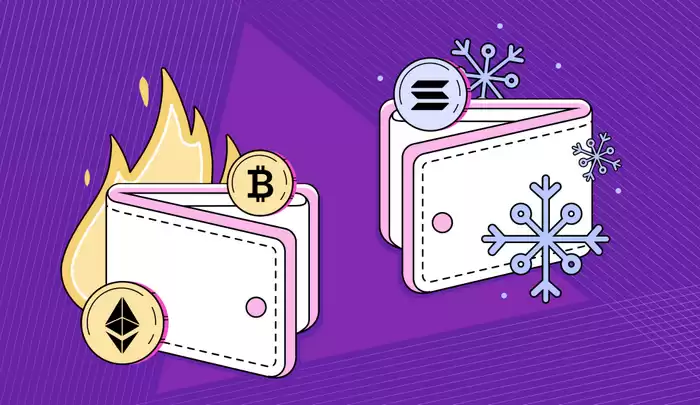
- Light wallets are lightweight software that only download a partial copy of the blockchain.
- They rely on full-node wallets or centralized servers to verify transactions and provide data.
- Examples include: MetaMask, Trust Wallet, Exodus
- Download: Light wallets typically have small file sizes, ranging from a few megabytes to a few hundred megabytes. They can be quickly downloaded to any compatible device within a short time.
- Usage: Light wallets consume minimal computing resources and storage space, making them suitable for use on smartphones, tablets, and other low-power devices.
- Transaction Fees: When using light wallets, transaction fees can vary depending on the specific blockchain and the network traffic. However, these fees are generally comparable to those of full-node wallets.
- Full-node wallets download and store a complete copy of the blockchain on the user's device.
- They verify every transaction themselves, ensuring the security and integrity of the network.
- Examples include: Bitcoin Core, Ethereum Classic, Monero Core
- Download: Full-node wallets have significantly larger file sizes, often measured in gigabytes or even terabytes. Downloading them can take several hours or days, depending on the size of the blockchain.
- Usage: Running a full-node wallet requires substantial computing resources and storage space, making it suitable for desktop computers or specialized hardware.
- Transaction Fees: Transaction fees in full-node wallets can vary based on the same factors as in light wallets. However, due to their increased computing load, fees can sometimes be slightly higher.
| Feature | Light Wallet | Full-Node Wallet |
|---|---|---|
| File Size | Small (MB) | Large (GB or TB) |
| Download Time | Quick | Slow |
| Usage | Low resources (RAM, disk) | High resources (RAM, disk) |
| Security | Relies on external nodes | Verifies transactions independently |
The choice between a light wallet and a full-node wallet depends on the user's specific needs and preferences. Light wallets prioritize convenience and accessibility, while full-node wallets offer increased security and control. Consider the factors discussed in this comparison to make an informed decision and ensure a seamless crypto experience.
Disclaimer:info@kdj.com
The information provided is not trading advice. kdj.com does not assume any responsibility for any investments made based on the information provided in this article. Cryptocurrencies are highly volatile and it is highly recommended that you invest with caution after thorough research!
If you believe that the content used on this website infringes your copyright, please contact us immediately (info@kdj.com) and we will delete it promptly.






- Michael Saylor Champions a "Bill of Digital Rights" to Unlock Digital Asset Potential and Fuel AI-Driven Economy
- 2026-09-28 16:35:01
- Bitcoin ETFs See $5.3B Inflow Surge Following Treasury Buyback Signal, Analysts Watch for Sustained Demand
- 2026-09-28 12:45:01
- Net Treasury Cash Flow: A $58.42 Billion September 30 Snapshot
- 2026-09-28 12:30:02
- Quant Network Ignites Banking Sector Engagement with Landmark Interoperability Deal, Driving QNT Surge
- 2026-09-28 12:55:01
- Bitcoin ETFs Surge: $5.3 Billion Inflow Coincides with Treasury Buyback Plan Amidst Market Dynamics
- 2026-09-28 12:45:01
- THORChain, Bitget, and the ETH Evolution: Navigating Decentralization in the Wake of a Major Hack
- 2026-09-28 08:35:01
Related knowledge
How to protect a Phantom Wallet from scams?
Sep 21,2026 at 10:00am
Bitcoin Halving Mechanics1. Bitcoin’s protocol enforces a fixed issuance schedule where block rewards are cut in half approximately every 210,000 bloc...
How to import a recovery phrase into Phantom Wallet?
Sep 28,2026 at 04:40pm
Bitcoin Halving Mechanics1. Bitcoin’s protocol enforces a fixed issuance schedule where block rewards are cut in half approximately every 210,000 bloc...
How to import a private key into MetaMask?
Sep 21,2026 at 06:00pm
Market Volatility Patterns1. Price swings exceeding 15% within a 24-hour window have occurred in over 68% of Bitcoin’s trading days since 2021. 2. Eth...
How to export a private key from Trust Wallet?
Sep 27,2026 at 12:19am
Bitcoin Halving Mechanics1. Bitcoin’s protocol enforces a fixed issuance schedule where block rewards are cut in half approximately every 210,000 bloc...
How to restore MetaMask on a new device?
Sep 28,2026 at 08:39am
Recovery Phrase Verification1. Launch MetaMask on the new device and select “Import wallet” instead of “Create a new wallet”. 2. Enter the full 12-wor...
How to restore Phantom Wallet on a new phone?
Sep 27,2026 at 03:59pm
Restoring Phantom Wallet on a New Device1. Install the Phantom mobile app from the official App Store or Google Play Store. 2. Launch the app and tap ...
How to protect a Phantom Wallet from scams?
Sep 21,2026 at 10:00am
Bitcoin Halving Mechanics1. Bitcoin’s protocol enforces a fixed issuance schedule where block rewards are cut in half approximately every 210,000 bloc...
How to import a recovery phrase into Phantom Wallet?
Sep 28,2026 at 04:40pm
Bitcoin Halving Mechanics1. Bitcoin’s protocol enforces a fixed issuance schedule where block rewards are cut in half approximately every 210,000 bloc...
How to import a private key into MetaMask?
Sep 21,2026 at 06:00pm
Market Volatility Patterns1. Price swings exceeding 15% within a 24-hour window have occurred in over 68% of Bitcoin’s trading days since 2021. 2. Eth...
How to export a private key from Trust Wallet?
Sep 27,2026 at 12:19am
Bitcoin Halving Mechanics1. Bitcoin’s protocol enforces a fixed issuance schedule where block rewards are cut in half approximately every 210,000 bloc...
How to restore MetaMask on a new device?
Sep 28,2026 at 08:39am
Recovery Phrase Verification1. Launch MetaMask on the new device and select “Import wallet” instead of “Create a new wallet”. 2. Enter the full 12-wor...
How to restore Phantom Wallet on a new phone?
Sep 27,2026 at 03:59pm
Restoring Phantom Wallet on a New Device1. Install the Phantom mobile app from the official App Store or Google Play Store. 2. Launch the app and tap ...
See all articles


