


















-
 bitcoin
 $84019.447670 USD
1.25% - ethereum
$2712.491439 USD
1.93% - tether
$0.999416 USD
-0.01% - bnb
$770.399630 USD
1.87% - xrp
$1.503744 USD
0.88% - usd-coin
$0.999770 USD
-0.02% - solana
$119.116077 USD
0.99% - tron
$0.337444 USD
0.01% - zcash
$1440.783800 USD
3.50% - hyperliquid
$89.310963 USD
4.64% - dogecoin
$0.095725 USD
2.86% - chainlink
$14.445578 USD
1.22% - monero
$550.443075 USD
2.47% - cardano
$0.253270 USD
4.58% - unus-sed-leo
$8.845500 USD
-2.04%










What Is Hardware Wallet?
Hardware wallets provide an enhanced layer of security for cryptocurrency holdings by storing private keys offline and away from the internet, reducing vulnerability to hacking and cyberattacks.
Nov 05, 2024 at 11:02 pm
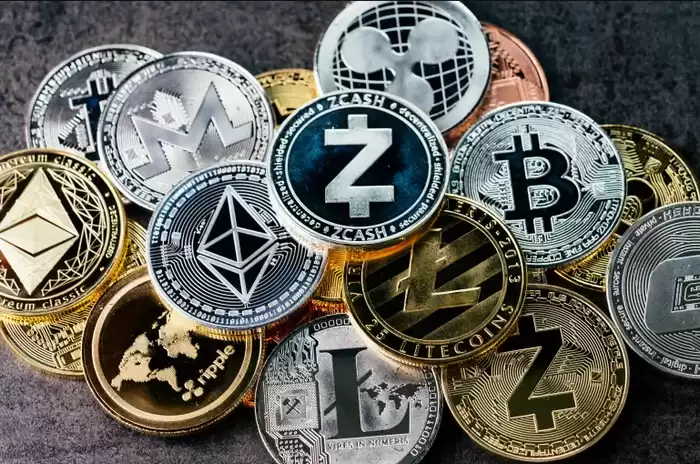
A hardware wallet is a physical device used to store the private keys of a cryptocurrency user. Unlike software wallets, which store private keys on a computer or mobile device, hardware wallets provide an added layer of security by keeping the private keys offline and isolated from the internet. This makes them less vulnerable to hacking and other forms of cyberattacks.
Hardware wallets come in various shapes and sizes, with each model offering its own unique features and security measures. They typically connect to a computer or mobile device via USB or Bluetooth, allowing users to manage their crypto assets and conduct transactions in a secure manner.
Advantages of Hardware Wallets:- Enhanced Security: Hardware wallets provide an extra layer of security for cryptocurrency holdings by keeping private keys offline and isolated from the internet. This makes them a safer option compared to software wallets or exchanges, which can be more susceptible to hacking and malware.
- Tamper-Proof: Hardware wallets are often equipped with tamper-proof mechanisms that prevent unauthorized access or manipulation. These mechanisms can include physical seals, secure element chips, and multi-factor authentication. If a hardware wallet is compromised, the tamper-proof features will often trigger a self-destruct mechanism to erase the private keys, ensuring the safety of the user's funds.
- Durability and Accessibility: Hardware wallets are typically designed to be durable and portable, making them convenient for everyday use. They can be carried in a pocket or backpack, and can be used on multiple devices, providing users with easy access to their crypto assets whenever they need them.
- Purchase a Hardware Wallet: Several reputable manufacturers offer hardware wallets with varying features and price points. Conduct thorough research and choose a wallet that meets your specific needs and security requirements.
- Initialize the Device: Once you have received your hardware wallet, follow the manufacturer's instructions to initialize the device. This typically involves creating a PIN or passphrase, which will be used to access the wallet and authorize transactions.
- Set Up an Account: Most hardware wallets require you to set up an account. This may involve connecting the wallet to a web or mobile application, and providing some personal information.
- Transfer Cryptocurrency to the Wallet: You can transfer cryptocurrency to your hardware wallet by generating a deposit address from the wallet and sending funds to that address. The deposit address is unique to your wallet and will change after each transaction, ensuring enhanced security.
- Secure Your Private Keys: The most important aspect of using a hardware wallet is to keep your private keys safe and secure. Never share your private keys with anyone, and consider storing them in multiple secure locations.
Disclaimer:info@kdj.com
The information provided is not trading advice. kdj.com does not assume any responsibility for any investments made based on the information provided in this article. Cryptocurrencies are highly volatile and it is highly recommended that you invest with caution after thorough research!
If you believe that the content used on this website infringes your copyright, please contact us immediately (info@kdj.com) and we will delete it promptly.






- XRP and Bitcoin See Innovative Inheritance Features and Market Volatility
- 2026-10-01 04:35:01
- Datavecta Forges Global Community Ecosystem to Power International Growth Through Advanced SEO Strategy
- 2026-09-30 20:35:01
- Illinois Rolls Out Draft Rules for 0.2% Crypto Transaction Tax, Set for 2027
- 2026-09-30 13:00:01
- Crypto.com AI Agent: A Super Bowl Splash Still Brewing in Stealth Mode
- 2026-09-30 13:00:01
- Apeing Leads the Charge: Unveiling the Next 100x Crypto Watchlist and 6 Coins to Eye
- 2026-09-30 12:55:01
- Official Filings Go Viral, Ari Paul's Coinbase Allegation Lags: A Look at News Dissemination Speed
- 2026-09-30 12:55:01
Related knowledge

What Is DAI and How Is It Different From USDT?
Sep 08,2026 at 05:00pm
Market Volatility Patterns1. Price swings exceeding 15% within a 24-hour window have occurred in over 68% of Bitcoin’s trading days since 2021. 2. Eth...
USDT, USDC and DAI: How Are These Stablecoins Different?
Sep 20,2026 at 05:59am
Bitcoin Halving Mechanics1. Bitcoin’s protocol enforces a fixed issuance schedule where block rewards are cut in half approximately every 210,000 bloc...

Why Can a Stablecoin Lose Its $1 Peg?
Sep 08,2026 at 02:00am
Reserve Composition and Transparency Gaps1. Many stablecoins claim to be fully backed by cash or short-duration US Treasuries, yet reserve disclosures...
What Is a Crypto Stablecoin Depeg?
Sep 24,2026 at 04:39pm
Definition and Mechanism of Depegging1. A crypto stablecoin depeg occurs when the market price of a stablecoin deviates significantly from its intende...

What Is Self-Custody in Crypto and Why Does It Matter?
Sep 10,2026 at 04:19am
Definition and Core Mechanics1. Self-custody refers to the practice where individuals retain full control over their private keys without delegating t...

Custodial vs Non-Custodial Wallets: What’s the Difference?
Sep 17,2026 at 03:19am
Custodial Wallets Defined1. A custodial wallet is a digital asset storage solution where a third-party service provider holds and manages users’ priva...
What Is DAI and How Is It Different From USDT?
Sep 08,2026 at 05:00pm
Market Volatility Patterns1. Price swings exceeding 15% within a 24-hour window have occurred in over 68% of Bitcoin’s trading days since 2021. 2. Eth...
USDT, USDC and DAI: How Are These Stablecoins Different?
Sep 20,2026 at 05:59am
Bitcoin Halving Mechanics1. Bitcoin’s protocol enforces a fixed issuance schedule where block rewards are cut in half approximately every 210,000 bloc...
Why Can a Stablecoin Lose Its $1 Peg?
Sep 08,2026 at 02:00am
Reserve Composition and Transparency Gaps1. Many stablecoins claim to be fully backed by cash or short-duration US Treasuries, yet reserve disclosures...
What Is a Crypto Stablecoin Depeg?
Sep 24,2026 at 04:39pm
Definition and Mechanism of Depegging1. A crypto stablecoin depeg occurs when the market price of a stablecoin deviates significantly from its intende...
What Is Self-Custody in Crypto and Why Does It Matter?
Sep 10,2026 at 04:19am
Definition and Core Mechanics1. Self-custody refers to the practice where individuals retain full control over their private keys without delegating t...
Custodial vs Non-Custodial Wallets: What’s the Difference?
Sep 17,2026 at 03:19am
Custodial Wallets Defined1. A custodial wallet is a digital asset storage solution where a third-party service provider holds and manages users’ priva...
See all articles


