














-
 bitcoin
 $80321.174057 USD
-0.96% - ethereum
$2575.142223 USD
-2.03% - tether
$0.999663 USD
0.00% - bnb
$750.959081 USD
-1.45% - xrp
$1.382579 USD
-2.63% - usd-coin
$0.999883 USD
0.00% - solana
$108.705042 USD
-2.93% - tron
$0.340225 USD
0.75% - zcash
$1451.991806 USD
-7.40% - hyperliquid
$91.224900 USD
-2.16% - dogecoin
$0.085240 USD
-2.20% - monero
$522.519180 USD
-7.67% - chainlink
$11.986918 USD
-2.91% - unus-sed-leo
$8.886381 USD
0.12% - cardano
$0.220224 USD
-1.38%











How to play the usdt contract to make more money
The USDT contract, a cryptocurrency derivative, enables traders to speculate on the price of USDT without owning it, offering a way to reduce volatility exposure in the cryptocurrency market.
Nov 10, 2024 at 05:15 am
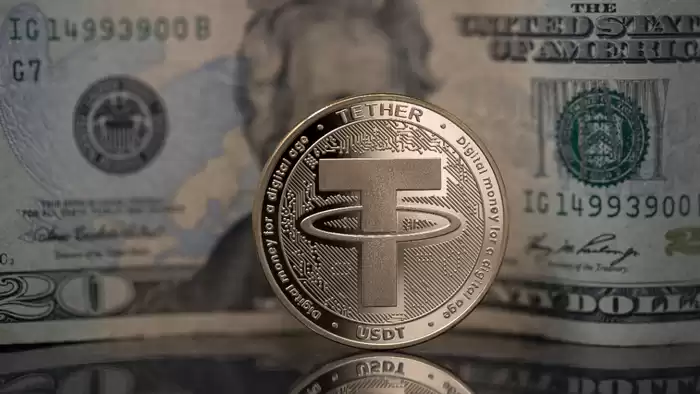
The USDT contract, also known as the Tether contract, is a cryptocurrency derivative that allows traders to speculate on the price of Tether (USDT) without actually owning the underlying asset. USDT is a stablecoin pegged to the value of the US dollar, making it a popular option for traders looking to reduce their exposure to the volatility of the cryptocurrency market.
Understanding the USDT ContractUSDT contracts are traded on cryptocurrency exchanges, and their value is derived from the spot price of USDT. The contract size is typically denominated in USDT, and traders can buy or sell the contract depending on whether they believe the price of USDT will rise or fall.
Types of USDT ContractsThere are two main types of USDT contracts:
- Futures Contracts: Futures contracts obligate the buyer or seller to purchase or sell a specific amount of USDT at a predetermined price and time in the future.
- Perpetual Contracts: Perpetual contracts are similar to futures contracts, but they do not have an expiration date. This allows traders to hold their positions indefinitely, without the risk of contract expiry.
When choosing an exchange to trade USDT contracts, consider the following factors:
- Trading Fees: Exchanges charge various trading fees, so compare them to find the most competitive rates.
- Liquidity: Liquidity refers to the amount of trading volume on an exchange, which determines how easily you can enter and exit positions.
- Security: Choose an exchange that implements robust security measures to protect your funds and personal information.
There are various strategies for trading USDT contracts, depending on your risk tolerance and trading style:
- Scalping: Scalping involves making small, frequent trades to capitalize on short-term price fluctuations. This strategy requires quick execution and a deep understanding of market movements.
- Day Trading: Day trading involves entering and exiting positions within a single trading day. This strategy aims to capture intraday price movements without holding positions overnight.
- Swing Trading: Swing trading involves holding positions for several days or weeks, aiming to profit from larger market trends. This strategy requires patience and a good understanding of technical analysis.
- Trend Following: Trend following involves identifying the prevailing market trend and trading in line with it. This strategy aims to capture the momentum of large price moves.
To maximize your chances of success, follow these tips when trading USDT contracts:
- Use a Demo Account: Practice trading with a demo account before risking real funds, which allows you to test your strategies without financial loss.
- Manage Your Risk: Always define your risk tolerance and adhere to strict stop-loss orders to limit potential losses.
- Learn Technical Analysis: Develop your skills in technical analysis to identify market patterns and make informed trading decisions.
- Stay Updated: Keep track of the latest news and events that could impact the price of USDT.
- Be Patient: Trading contracts requires patience and discipline, as it takes time and effort to develop a profitable strategy.
Disclaimer:info@kdj.com
The information provided is not trading advice. kdj.com does not assume any responsibility for any investments made based on the information provided in this article. Cryptocurrencies are highly volatile and it is highly recommended that you invest with caution after thorough research!
If you believe that the content used on this website infringes your copyright, please contact us immediately (info@kdj.com) and we will delete it promptly.






- XRP Holders Cheer Crypto Market Resilience Amid Evolving Regulatory Developments
- 2026-09-20 16:55:02
- Bitcoin, Saylor, and Cathie Wood: A Thought-Provoking Clash and Surging ETF Inflows
- 2026-09-20 16:45:01
- Polymarket Under Fire: South Korea Cracks Down on Alleged Illegal Gambling
- 2026-09-20 13:00:02
- Solana ETFs Notch 12-Week Inflow Streak Amidst Bitcoin's Quietest Week on Record
- 2026-09-20 13:10:02
- Solana Price Surges Past Descending Trendline Amid Record Network Activity
- 2026-09-20 13:00:01
- Polygon's Sandeep Nailwal Unveils 100M POL Burn Amidst Strong Revenue Figures, Challenges Rivals
- 2026-09-20 13:10:02
Related knowledge
How to Use Hyperliquid (HYPE) Trading Volume to Find Potential Breakout Opportunities?
Sep 15,2026 at 07:00am
Bitcoin Halving Mechanics1. Bitcoin’s protocol enforces a fixed issuance schedule where block rewards are cut in half approximately every 210,000 bloc...

How to Identify Hyperliquid (HYPE) Momentum Before a Major Price Move?
Sep 15,2026 at 09:20am
On-Chain Order Flow Patterns1. A sustained rise in net inflows to Hyperliquid’s native order book—measured by cumulative deposits into the HyperCore m...

How to Use Dogecoin (Doge) MACD Signals to Find Trading Opportunities?
Sep 13,2026 at 02:39am
Understanding MACD Mechanics in Dogecoin Charts1. The MACD indicator consists of three core components: the MACD line, signal line, and histogram. In ...
How to Identify Dogecoin (DOGE) Breakouts Using Trading Volume?
Sep 17,2026 at 04:59pm
Volume Spike Detection1. A genuine Dogecoin breakout is often preceded by a volume surge exceeding 200% of its 30-day average within a single 4-hour c...

How to Use DOGEcoin (Doge) RSI to Find Potential Rebound Opportunities?
Sep 15,2026 at 11:40pm
Understanding DOGE RSI Behavior Across Timeframes1. The weekly RSI for Dogecoin has dropped to levels last seen during the 2022 bear market and the 20...

How to Use BNB Moving Averages to Find Strong Trading Trends?
Sep 11,2026 at 04:59pm
Understanding BNB Moving Averages1. Moving averages smooth out price data over a specific period to filter out noise and highlight the underlying tren...
How to Use Hyperliquid (HYPE) Trading Volume to Find Potential Breakout Opportunities?
Sep 15,2026 at 07:00am
Bitcoin Halving Mechanics1. Bitcoin’s protocol enforces a fixed issuance schedule where block rewards are cut in half approximately every 210,000 bloc...
How to Identify Hyperliquid (HYPE) Momentum Before a Major Price Move?
Sep 15,2026 at 09:20am
On-Chain Order Flow Patterns1. A sustained rise in net inflows to Hyperliquid’s native order book—measured by cumulative deposits into the HyperCore m...
How to Use Dogecoin (Doge) MACD Signals to Find Trading Opportunities?
Sep 13,2026 at 02:39am
Understanding MACD Mechanics in Dogecoin Charts1. The MACD indicator consists of three core components: the MACD line, signal line, and histogram. In ...
How to Identify Dogecoin (DOGE) Breakouts Using Trading Volume?
Sep 17,2026 at 04:59pm
Volume Spike Detection1. A genuine Dogecoin breakout is often preceded by a volume surge exceeding 200% of its 30-day average within a single 4-hour c...
How to Use DOGEcoin (Doge) RSI to Find Potential Rebound Opportunities?
Sep 15,2026 at 11:40pm
Understanding DOGE RSI Behavior Across Timeframes1. The weekly RSI for Dogecoin has dropped to levels last seen during the 2022 bear market and the 20...
How to Use BNB Moving Averages to Find Strong Trading Trends?
Sep 11,2026 at 04:59pm
Understanding BNB Moving Averages1. Moving averages smooth out price data over a specific period to filter out noise and highlight the underlying tren...
See all articles


