




















-
 bitcoin
$64566.812908 USD
0.23% - ethereum
$1810.474514 USD
0.98% - tether
$0.999022 USD
-0.03% - bnb
$590.524043 USD
0.06% - usd-coin
$0.999830 USD
0.01% - xrp
$0.951385 USD
-0.53% - solana
$70.791567 USD
0.57% - tron
$0.302344 USD
-1.59% - hyperliquid
$66.043751 USD
0.99% - zcash
$884.280716 USD
-1.46% - dogecoin
$0.058467 USD
0.99% - monero
$482.505734 USD
-1.49% - unus-sed-leo
$9.190973 USD
0.78% - chainlink
$9.081451 USD
-0.25% - cardano
$0.151877 USD
0.97%











how to mine on binance
By joining a Binance mining pool, users can participate in cryptocurrency mining without investing in costly hardware, increasing their chances of earning rewards through pooled computing power.
Nov 18, 2024 at 01:27 pm
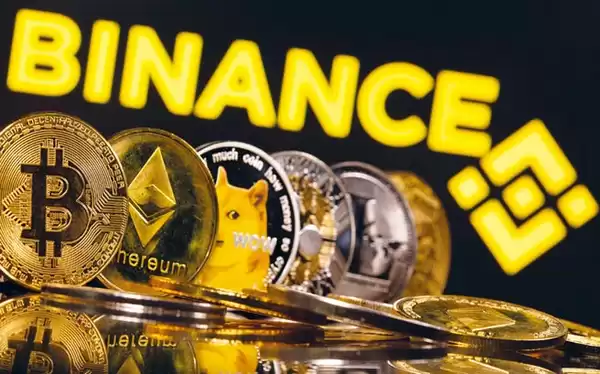
How to Mine on Binance: A Comprehensive Guide
Binance is one of the leading cryptocurrency exchanges in the world, offering a wide range of services, including cryptocurrency trading, staking, and mining. Mining is the process of creating new cryptocurrencies by solving complex mathematical problems. Binance offers a cloud mining service, which allows users to mine cryptocurrencies without having to purchase and operate their own mining hardware.
Step 1: Create a Binance Account
To start mining on Binance, you will first need to create a Binance account. You can do this by visiting the Binance website and clicking on the “Create an Account” button. You will then be asked to provide some basic information, such as your email address and password. Once you have created an account, you will need to verify your identity by providing a government-issued ID and proof of address.
Step 2: Choose a Cryptocurrency to Mine
Binance offers a variety of cryptocurrencies that you can mine, including Bitcoin, Ethereum, Litecoin, and Dogecoin. The cryptocurrency that you choose to mine will depend on a number of factors, such as the current price of the cryptocurrency, the difficulty of mining the cryptocurrency, and the amount of computing power that you have available.
Step 3: Select a Mining Pool
Once you have chosen a cryptocurrency to mine, you will need to select a mining pool. A mining pool is a group of miners who pool their computing power together in order to increase their chances of finding a block and earning a reward. Binance offers a number of different mining pools to choose from. When selecting a mining pool, you will need to consider factors such as the pool’s size, the pool’s fees, and the pool’s payout structure.
Step 4: Purchase a Mining Contract
Once you have selected a mining pool, you will need to purchase a mining contract. A mining contract is an agreement between you and the mining pool that outlines the terms of your participation in the pool. When you purchase a mining contract, you will be given a certain amount of computing power that you can use to mine cryptocurrencies. The amount of computing power that you purchase will determine the amount of cryptocurrency that you earn.
Step 5: Start Mining
Once you have purchased a mining contract, you can start mining cryptocurrencies. To do this, you will need to download the Binance mining software and install it on your computer. Once the software is installed, you will need to configure it to use your mining contract. Once the software is configured, you can start mining cryptocurrencies.
Step 6: Monitor Your Progress
Once you have started mining cryptocurrencies, you will need to monitor your progress. You can do this by logging into your Binance account and checking the “Mining” tab. The Mining tab will show you how much cryptocurrency you have earned, how much computing power you are using, and how long it will take you to earn a block.
Step 7: Withdraw Your Earnings
Once you have earned enough cryptocurrency, you can withdraw it to your Binance wallet. To do this, you will need to click on the “Withdraw” button in the Mining tab. You will then be asked to enter the amount of cryptocurrency that you want to withdraw and the address of your Binance wallet.
Conclusion
Mining cryptocurrencies on Binance is a simple and straightforward process. By following the steps outlined in this guide, you can start earning cryptocurrency rewards today.
Disclaimer:info@kdj.com
The information provided is not trading advice. kdj.com does not assume any responsibility for any investments made based on the information provided in this article. Cryptocurrencies are highly volatile and it is highly recommended that you invest with caution after thorough research!
If you believe that the content used on this website infringes your copyright, please contact us immediately (info@kdj.com) and we will delete it promptly.






- Solana Powers Wall Street Tokenization Plans: A 2027 Vision
- 2026-11-16 08:55:02
- Kava Lend Hack: Millions in KAVA Token Lost, Ecosystem Security Under Scrutiny
- 2026-11-16 08:55:02
- DTCC Embraces Multichain Future: What It Means for Solana and the XRP Ledger
- 2026-11-16 04:45:02
- Sui Network, Toncoin, TRON: Navigating the Evolving Crypto Landscape
- 2026-11-15 00:35:01
- OKX Europe Boosts Fast Redemption Limits for VIP Liquid Staking, Setting Industry Pace
- 2026-11-14 16:35:02
- Bitcoin Retail Demand Plunges Amid Price Decline, Technical Indicators Confirm Bearish Trend
- 2026-11-14 16:35:02
Related knowledge

How to Export Spot Trading Records From Gate.io
Oct 18,2026 at 03:20am
Accessing Spot Trading Records via Web Interface1. Log in to your Gate.io account and navigate to the Spot Trading section. 2. Select the desired trad...

How to Find the Crypto Withdrawal History on KuCoin
Oct 27,2026 at 08:49am
Accessing Withdrawal Records via KuCoin Web Interface1. Log in to your KuCoin account using verified credentials and complete two-factor authenticatio...

How to Check the APR of USDT Flexible Savings on OKX
Oct 15,2026 at 10:00pm
Understanding APR in OKX Flexible Savings1. APR stands for Annual Percentage Rate and reflects the nominal yearly return on USDT deposits without comp...

How to View Your Binance Launchpool Token Rewards
Oct 26,2026 at 06:19am
Bitcoin Halving Mechanics1. Bitcoin’s protocol enforces a fixed issuance schedule where block rewards are cut in half approximately every 210,000 bloc...

How to Stop Copying a Trader on Bitget
Oct 16,2026 at 02:59am
Market Volatility Patterns1. Bitcoin price swings often exceed 15% within a 24-hour window during major macroeconomic announcements. 2. Altcoin indice...

How to Check Your Copy Trading Profit Share on Bybit
Oct 16,2026 at 10:19am
Bitcoin Halving Mechanics1. Bitcoin’s protocol enforces a fixed schedule where block rewards are cut in half approximately every 210,000 blocks, or ro...
How to Export Spot Trading Records From Gate.io
Oct 18,2026 at 03:20am
Accessing Spot Trading Records via Web Interface1. Log in to your Gate.io account and navigate to the Spot Trading section. 2. Select the desired trad...
How to Find the Crypto Withdrawal History on KuCoin
Oct 27,2026 at 08:49am
Accessing Withdrawal Records via KuCoin Web Interface1. Log in to your KuCoin account using verified credentials and complete two-factor authenticatio...
How to Check the APR of USDT Flexible Savings on OKX
Oct 15,2026 at 10:00pm
Understanding APR in OKX Flexible Savings1. APR stands for Annual Percentage Rate and reflects the nominal yearly return on USDT deposits without comp...
How to View Your Binance Launchpool Token Rewards
Oct 26,2026 at 06:19am
Bitcoin Halving Mechanics1. Bitcoin’s protocol enforces a fixed issuance schedule where block rewards are cut in half approximately every 210,000 bloc...
How to Stop Copying a Trader on Bitget
Oct 16,2026 at 02:59am
Market Volatility Patterns1. Bitcoin price swings often exceed 15% within a 24-hour window during major macroeconomic announcements. 2. Altcoin indice...
How to Check Your Copy Trading Profit Share on Bybit
Oct 16,2026 at 10:19am
Bitcoin Halving Mechanics1. Bitcoin’s protocol enforces a fixed schedule where block rewards are cut in half approximately every 210,000 blocks, or ro...
See all articles


