














-
 bitcoin
 $83957.731555 USD
1.09% - ethereum
$2707.672309 USD
2.28% - tether
$0.999601 USD
0.01% - bnb
$767.737573 USD
0.59% - xrp
$1.504228 USD
1.61% - usd-coin
$1.000070 USD
0.02% - solana
$119.467955 USD
0.71% - tron
$0.334923 USD
0.34% - zcash
$1422.665327 USD
-8.02% - hyperliquid
$88.309849 USD
-0.91% - dogecoin
$0.094847 USD
2.10% - chainlink
$15.113620 USD
9.67% - monero
$542.499853 USD
1.68% - cardano
$0.249405 USD
1.76% - unus-sed-leo
$9.063597 USD
-0.10%











What are the trading platforms that can buy digital currency?
When choosing a trading platform for digital currency, consider factors such as fees, security measures, supported cryptocurrencies, and user interface to ensure a suitable trading experience.
Oct 19, 2024 at 08:35 pm
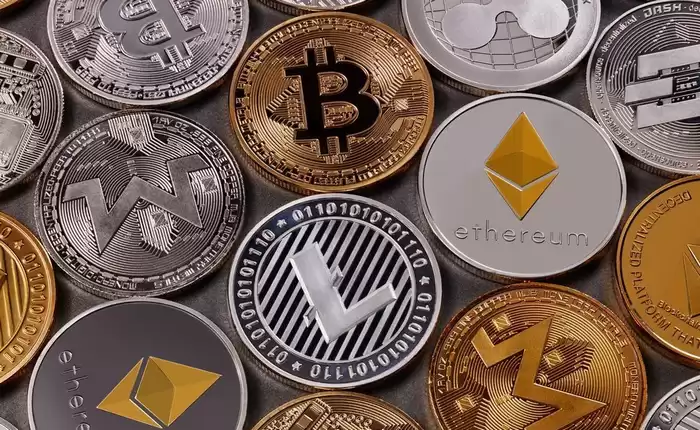
Today, various trading platforms offer users the ability to buy and sell digital currencies. This article highlights the leading trading platforms in the market based on their features, fees, and security measures:
1. OKX- Known for its comprehensive cryptocurrency offerings and advanced trading tools.
- Supports over 300 cryptocurrencies, including Bitcoin, Ethereum, and altcoins.
- Offers low trading fees and various order types for flexible trading strategies.
- Provides high-level security measures to protect user funds and account information.
- The world's largest cryptocurrency exchange by trading volume.
- Supports a wide range of cryptocurrencies, allowing users to diversify their digital asset portfolio.
- Offers competitive trading fees and rewards its users with its native Binance Coin (BNB).
- Implements robust security protocols to ensure the safety of users' assets and accounts.
- A user-friendly platform for beginners seeking an easy entry into cryptocurrency trading.
- Supports a limited but popular selection of cryptocurrencies, focusing on accessibility and ease of use.
- Charges relatively higher trading fees compared to other platforms but provides an intuitive and navigable interface.
- Maintains a strong reputation for security and compliance, making it a trusted choice for many users.
- Known for its professional-grade trading platform and advanced features tailored for experienced traders.
- Supports a wide variety of cryptocurrencies and fiat currencies, allowing for convenient trading.
- Provides low fees and robust security mechanisms to safeguard user assets and personal data.
- Offers advanced order types, leverage trading, and sophisticated charting tools for advanced trading strategies.
- A highly regulated and secure platform with a focus on institutional and professional investors.
- Supports a curated list of popular cryptocurrencies and adheres to strict security and compliance standards.
- Charges higher trading fees but provides peace of mind for users seeking a highly reputable and regulated trading environment.
When selecting a trading platform, consider the following factors:
- Fees: Compare trading fees, withdrawal fees, and other costs associated with using the platform.
- Security: Assess the security measures implemented to protect user funds and personal data.
- Supported Cryptocurrencies: Identify the platforms that support the digital assets you intend to buy and sell.
- Platform Features: Consider trading tools, order types, and other features that align with your trading style and needs.
- User Interface: Ensure the platform offers a user-friendly interface that suits your technical proficiency and preferences.
By evaluating these factors, you can choose the trading platform that best meets your individual requirements and trading goals.
Disclaimer:info@kdj.com
The information provided is not trading advice. kdj.com does not assume any responsibility for any investments made based on the information provided in this article. Cryptocurrencies are highly volatile and it is highly recommended that you invest with caution after thorough research!
If you believe that the content used on this website infringes your copyright, please contact us immediately (info@kdj.com) and we will delete it promptly.





- LINK Price Surge: Chainlink Analysis and Prediction Fueled by CCIP 2.0 Launch
- 2026-09-29 12:55:02
- Robinhood Chain Sees Surge in Perps as Spot Trading Cools Amidst Broader Market Shifts
- 2026-09-29 12:55:02
- InterLink Users Can Now Spend ITL on Real-World Goods, Boosting ITL Usage
- 2026-09-29 13:00:01
- Robinhood, GameStop, and Sei: A New Era of Trading Infrastructure Unfolds
- 2026-09-29 13:00:01
- Quant Partnership Powers On-Chain Money, Hedera HBAR Surges Amidst Global Tokenization Push
- 2026-09-29 13:05:01
- Ethereum Transfers Get a Speed Boost: Chainlink's CCIP 2.0 Slashes Transfer Times, Enhancing Fast Ethereum Transfers and Overall Ethereum Transfer Speed
- 2026-09-29 13:05:02
Related knowledge
How to Find BTC/USDC on Coinbase Advanced?
Sep 25,2026 at 08:20am
Market Volatility Patterns1. Bitcoin price swings often exceed 10% within a 24-hour window during high-liquidity events such as ETF approval announcem...
How to Sell ETH for USDC on Coinbase Advanced?
Sep 28,2026 at 06:59pm
Bitcoin Halving Mechanics1. Bitcoin’s protocol enforces a fixed issuance schedule where block rewards are cut in half approximately every 210,000 bloc...
How to Buy BTC with USDC on Coinbase Advanced?
Sep 28,2026 at 01:39am
Bitcoin Halving Mechanics1. Bitcoin’s protocol enforces a fixed issuance schedule where block rewards are cut in half approximately every 210,000 bloc...
How to Check SOL Price on Coinbase Advanced?
Sep 28,2026 at 01:19am
Bitcoin Halving Mechanics1. Bitcoin’s protocol enforces a fixed issuance schedule where block rewards are cut in half approximately every 210,000 bloc...
How to Sell SOL for USDC on Coinbase?
Sep 26,2026 at 01:40am
Bitcoin Halving Mechanics1. Bitcoin’s protocol enforces a fixed issuance schedule where block rewards are cut in half approximately every 210,000 bloc...
How to Buy ADA on Coinbase?
Sep 22,2026 at 01:20am
Market Volatility Patterns1. Bitcoin price swings often exceed 15% within a 24-hour window during major macroeconomic announcements. 2. Altcoin indice...
How to Find BTC/USDC on Coinbase Advanced?
Sep 25,2026 at 08:20am
Market Volatility Patterns1. Bitcoin price swings often exceed 10% within a 24-hour window during high-liquidity events such as ETF approval announcem...
How to Sell ETH for USDC on Coinbase Advanced?
Sep 28,2026 at 06:59pm
Bitcoin Halving Mechanics1. Bitcoin’s protocol enforces a fixed issuance schedule where block rewards are cut in half approximately every 210,000 bloc...
How to Buy BTC with USDC on Coinbase Advanced?
Sep 28,2026 at 01:39am
Bitcoin Halving Mechanics1. Bitcoin’s protocol enforces a fixed issuance schedule where block rewards are cut in half approximately every 210,000 bloc...
How to Check SOL Price on Coinbase Advanced?
Sep 28,2026 at 01:19am
Bitcoin Halving Mechanics1. Bitcoin’s protocol enforces a fixed issuance schedule where block rewards are cut in half approximately every 210,000 bloc...
How to Sell SOL for USDC on Coinbase?
Sep 26,2026 at 01:40am
Bitcoin Halving Mechanics1. Bitcoin’s protocol enforces a fixed issuance schedule where block rewards are cut in half approximately every 210,000 bloc...
How to Buy ADA on Coinbase?
Sep 22,2026 at 01:20am
Market Volatility Patterns1. Bitcoin price swings often exceed 15% within a 24-hour window during major macroeconomic announcements. 2. Altcoin indice...
See all articles


