














-
 bitcoin
 $63467.151468 USD
0.73% - ethereum
$1897.503841 USD
1.01% - tether
$0.998965 USD
0.00% - bnb
$605.134281 USD
-0.06% - usd-coin
$0.999945 USD
0.00% - xrp
$1.000999 USD
0.13% - solana
$75.392432 USD
0.12% - tron
$0.332228 USD
0.43% - hyperliquid
$58.738447 USD
3.21% - dogecoin
$0.070115 USD
0.70% - unus-sed-leo
$9.431659 USD
0.48% - zcash
$494.615173 USD
1.65% - monero
$416.273243 USD
1.17% - chainlink
$9.410135 USD
0.44% - cardano
$0.176674 USD
-0.15%











How to trade contracts on Binance
Contract trading on Binance empowers traders to speculate on asset price movements with leverage, offering both potential profits and risks.
Nov 18, 2024 at 11:16 pm
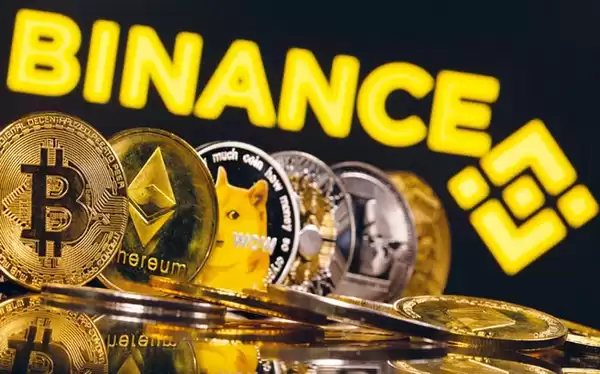
How to Trade Contracts on Binance: A Comprehensive Guide
IntroductionContract trading, also known as futures trading, is a popular method of speculating on the price movements of underlying assets. By leveraging the power of contracts, traders can amplify their potential profits while also managing risk. Binance, one of the world's leading cryptocurrency exchanges, offers a robust platform for contract trading, providing access to a wide range of underlying assets, including cryptocurrencies, commodities, and indices.
This comprehensive guide will walk you through the step-by-step process of trading contracts on Binance, empowering you with the knowledge and skills to navigate the complexities of this fast-paced and exciting market.
Step 1: Understanding Contract TradingBefore engaging in contract trading, it's crucial to grasp the fundamental concepts and mechanics involved.
What is a Contract?A contract represents a legally binding agreement between two parties to exchange an asset at a specified price on a future date. In the context of Binance, a contract refers to a futures contract, which is a standardized agreement to buy or sell an underlying asset at a predetermined price and time.
Types of ContractsBinance offers two types of contracts:
- Perpetual Futures Contracts: These contracts have no fixed expiration date and can be held indefinitely.
- Quarterly Futures Contracts: These contracts have a fixed expiration date, typically every three months.
Leverage is a key feature of contract trading that allows traders to amplify their potential profits. By using leverage, traders can gain exposure to a larger position size than their account balance would normally permit. However, it's important to use leverage responsibly, as it can also magnify losses.
Step 2: Creating a Binance AccountTo begin trading contracts on Binance, you'll need to create an account. The process is straightforward and can be completed in a few simple steps:
- Visit the Binance website or download the Binance app.
- Click on "Register" and provide your personal information, including email address and password.
- Verify your email address and complete KYC (Know-Your-Customer) verification to unlock all Binance features.
Before you can start trading contracts, you need to fund your Binance account. Binance supports a wide range of deposit methods, including cryptocurrencies, credit cards, and bank transfers.
- Log in to your Binance account and select "Deposit."
- Choose your desired deposit method and follow the instructions provided.
- Once your deposit is processed, the funds will be credited to your Binance account.
Binance offers a wide range of underlying assets for contract trading, including:
- Cryptocurrencies (e.g., BTC, ETH, BNB)
- Commodities (e.g., Gold, Silver)
- Indices (e.g., S&P 500, Nasdaq 100)
- Click on "Derivatives" and then "Futures" to view the available trading pairs.
- Choose the underlying asset you wish to trade and select the appropriate contract type (perpetual or quarterly).
**Step
Disclaimer:info@kdj.com
The information provided is not trading advice. kdj.com does not assume any responsibility for any investments made based on the information provided in this article. Cryptocurrencies are highly volatile and it is highly recommended that you invest with caution after thorough research!
If you believe that the content used on this website infringes your copyright, please contact us immediately (info@kdj.com) and we will delete it promptly.





- Bitcoin, eCash Fork, and Airdrop Dynamics: A Deep Dive into Crypto's Latest Controversies
- 2026-05-03 12:55:01
- Consensus 2026 Miami: Web3, Blockchain, Cryptocurrency, NFTs, Metaverse, Conference, May 5th — Where Wall Street Meets the Digital Frontier
- 2026-05-02 12:45:01
- Fed Holds Rates Steady, Triggering Bitcoin Price Drop Amidst Geopolitical Tensions
- 2026-05-01 06:45:01
- Bitcoin Miners Electrify the Grid: Ohio Gas Plant Acquisition Powers Up a New Era for Digital Gold
- 2026-05-01 00:45:01
- MegaETH's MEGA Token Hits the Big Apple: Setting New Performance Benchmarks for Real-Time Blockchain
- 2026-05-01 00:55:01
- Solana's Slippery Slope: Price Prediction Points to Resistance Loss and Potential Further Drops
- 2026-05-01 06:45:01
Related knowledge
How to Analyze Ethereum Futures Market Data? ETH Contract Trading Guide
Aug 09,2026 at 09:19am
Ethereum Futures Order Book Interpretation1. The order book displays real-time bid and ask depth for ETH perpetual contracts across major exchanges li...
What Is Bitcoin Futures Contract Multiplier? BTC Position Size Explained
Aug 08,2026 at 12:19am
Contract Multiplier Definition and Function1. A Bitcoin futures contract multiplier determines how much underlying BTC each contract represents in USD...
How Does Dogecoin Futures Leverage Trading Work? DOGE Contract Guide
Aug 07,2026 at 11:40pm
Futures Contract Mechanics1. Dogecoin futures contracts are standardized agreements to buy or sell a fixed quantity of DOGE at a predetermined price o...
What Is XRP Futures Contract Fee Rate? How to Reduce XRP Trading Costs
Aug 07,2026 at 03:40pm
Understanding XRP Futures Contract Fee Rate1. The fee rate for XRP futures contracts consists of three primary components: taker fee, maker fee, and f...
Why Do Solana Futures Traders Use High Leverage? SOL Contract Risk Explained
Aug 04,2026 at 07:19pm
Why Solana Futures Traders Favor High Leverage1. Solana’s native token SOL exhibits pronounced intraday volatility, often swinging over 8% within a si...
How Does Ethereum Futures Cross Margin Protect Positions?
Aug 07,2026 at 04:00pm
Cross Margin Mechanics in Ethereum Futures1. Cross margin uses the entire wallet balance—including all available assets denominated in ETH or stableco...
How to Analyze Ethereum Futures Market Data? ETH Contract Trading Guide
Aug 09,2026 at 09:19am
Ethereum Futures Order Book Interpretation1. The order book displays real-time bid and ask depth for ETH perpetual contracts across major exchanges li...
What Is Bitcoin Futures Contract Multiplier? BTC Position Size Explained
Aug 08,2026 at 12:19am
Contract Multiplier Definition and Function1. A Bitcoin futures contract multiplier determines how much underlying BTC each contract represents in USD...
How Does Dogecoin Futures Leverage Trading Work? DOGE Contract Guide
Aug 07,2026 at 11:40pm
Futures Contract Mechanics1. Dogecoin futures contracts are standardized agreements to buy or sell a fixed quantity of DOGE at a predetermined price o...
What Is XRP Futures Contract Fee Rate? How to Reduce XRP Trading Costs
Aug 07,2026 at 03:40pm
Understanding XRP Futures Contract Fee Rate1. The fee rate for XRP futures contracts consists of three primary components: taker fee, maker fee, and f...
Why Do Solana Futures Traders Use High Leverage? SOL Contract Risk Explained
Aug 04,2026 at 07:19pm
Why Solana Futures Traders Favor High Leverage1. Solana’s native token SOL exhibits pronounced intraday volatility, often swinging over 8% within a si...
How Does Ethereum Futures Cross Margin Protect Positions?
Aug 07,2026 at 04:00pm
Cross Margin Mechanics in Ethereum Futures1. Cross margin uses the entire wallet balance—including all available assets denominated in ETH or stableco...
See all articles


