

















-
 bitcoin
 $82450.237470 USD
-0.67% - ethereum
$2495.903241 USD
-2.83% - tether
$0.999195 USD
-0.02% - bnb
$742.137492 USD
-3.53% - xrp
$1.398342 USD
-0.51% - usd-coin
$0.999799 USD
-0.01% - solana
$110.266004 USD
-4.38% - tron
$0.331969 USD
-0.86% - hyperliquid
$85.643135 USD
-1.81% - zcash
$1224.298075 USD
-1.49% - dogecoin
$0.085233 USD
-2.73% - monero
$544.294860 USD
-1.81% - chainlink
$12.865276 USD
-1.99% - cardano
$0.238920 USD
-5.49% - unus-sed-leo
$8.892240 USD
-0.24%










how much tax on etf
By choosing low-yielding ETFs, holding them long-term, and utilizing tax-advantaged accounts, investors can potentially reduce their tax burden significantly while maximizing their ETF investments.
Oct 10, 2024 at 02:18 am
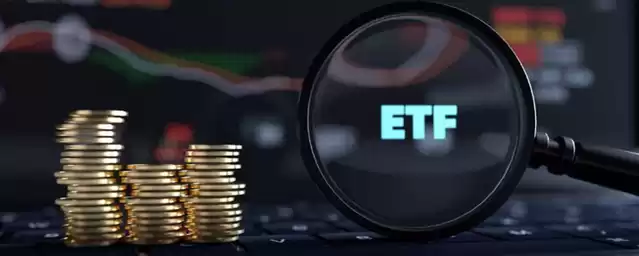
Exchange-traded funds (ETFs) are a popular investment vehicle that offer investors a way to diversify their portfolios and potentially reduce their tax liability. However, it is important to understand the tax implications of investing in ETFs before you make any investment decisions.
1. Dividend IncomeETFs that pay dividends are subject to the same tax treatment as dividends from individual stocks. This means that dividends are taxed at your ordinary income tax rate, which can be as high as 37%. However, there are some exceptions to this rule. For example, if you are a qualified investor, you may be eligible for a lower tax rate on dividends.
2. Capital GainsWhen you sell an ETF, you may be subject to capital gains tax. The amount of tax you owe will depend on how long you have held the ETF and your tax bracket. If you have held the ETF for less than one year, you will be subject to short-term capital gains tax, which is taxed at your ordinary income tax rate. If you have held the ETF for more than one year, you will be subject to long-term capital gains tax, which is taxed at a lower rate.
3. Other TaxesIn addition to dividend income and capital gains tax, you may also be subject to other taxes on ETFs, such as state income tax or foreign withholding tax. The amount of tax you owe will depend on the specific ETF you invest in and your individual circumstances.
How to Minimize Your Tax Liability When Investing in ETFsThere are a few things you can do to minimize your tax liability when investing in ETFs:
- Choose ETFs with low dividend yields. ETFs that pay high dividends are likely to be subject to higher dividend income tax rates.
- Hold ETFs for more than one year. This will allow you to take advantage of the lower long-term capital gains tax rates.
- Consider investing in tax-advantaged accounts. Tax-advantaged accounts, such as 401(k)s and IRAs, allow you to defer or avoid paying taxes on your investment gains.
ETFs can be a valuable investment vehicle, but it is important to understand the tax implications of investing in ETFs before you make any investment decisions. By carefully considering the type of ETF you invest in and how you hold it, you can minimize your tax liability and maximize your investment returns.
Disclaimer:info@kdj.com
The information provided is not trading advice. kdj.com does not assume any responsibility for any investments made based on the information provided in this article. Cryptocurrencies are highly volatile and it is highly recommended that you invest with caution after thorough research!
If you believe that the content used on this website infringes your copyright, please contact us immediately (info@kdj.com) and we will delete it promptly.






- Chainlink Whale Transactions Surge, LINK Token Accumulation Intensifies Amidst Price Prediction Speculation
- 2026-10-10 13:25:01
- Morpho Labs Fuels Major Growth, Surpassing $1B in Institutional Liquidity
- 2026-10-10 13:15:01
- Litecoin Security Under Attack: Censorship Concerns Rock r/CryptoCurrency
- 2026-10-10 13:20:02
- KAIA Pumps on Upbit Listing: Navigating the Hype and Caution Amidst KAIA News
- 2026-10-10 13:25:01
- Sui's Hashi Launch: A Thought-Provoking Shift in Bitcoin Liquidity
- 2026-10-10 04:29:34
- Bitcoin Price Today: Thailand ETFs Launch Amidst 'Pepeto Buyers' Surge
- 2026-10-10 04:29:34
Related knowledge

What is a crypto ETF and why is it a big deal?
Nov 05,2025 at 10:20am
What Is a Crypto ETF?1. A crypto ETF, or exchange-traded fund, is an investment vehicle that tracks the price of one or more cryptocurrencies without ...
Is an ETF suitable for long-term holding?
Oct 01,2025 at 02:36am
Understanding ETFs in the Context of Cryptocurrency Investments1. Exchange-traded funds (ETFs) have gained significant traction in traditional financi...
What are ETF discounts and premiums?
Sep 29,2025 at 11:19pm
Understanding ETF Discounts and Premiums1. Exchange-traded funds (ETFs) are investment vehicles that trade on stock exchanges, much like individual st...

How do I evaluate an ETF?
Sep 22,2025 at 11:18am
Evaluating the Fundamentals of an ETF1. Examine the underlying index the ETF tracks to understand its investment focus. Whether it follows a broad mar...
What are the components of an ETF's fee structure?
Sep 30,2025 at 03:54am
Management Fees in ETFs1. Management fees, often referred to as the expense ratio, represent the primary cost investors pay for the operation of an ET...
What is ETF tracking error? How does it arise?
Sep 20,2025 at 03:18am
Understanding ETF Tracking Error in the Cryptocurrency Market1. Exchange-traded funds (ETFs) have become a significant bridge between traditional fina...
What is a crypto ETF and why is it a big deal?
Nov 05,2025 at 10:20am
What Is a Crypto ETF?1. A crypto ETF, or exchange-traded fund, is an investment vehicle that tracks the price of one or more cryptocurrencies without ...
Is an ETF suitable for long-term holding?
Oct 01,2025 at 02:36am
Understanding ETFs in the Context of Cryptocurrency Investments1. Exchange-traded funds (ETFs) have gained significant traction in traditional financi...
What are ETF discounts and premiums?
Sep 29,2025 at 11:19pm
Understanding ETF Discounts and Premiums1. Exchange-traded funds (ETFs) are investment vehicles that trade on stock exchanges, much like individual st...
How do I evaluate an ETF?
Sep 22,2025 at 11:18am
Evaluating the Fundamentals of an ETF1. Examine the underlying index the ETF tracks to understand its investment focus. Whether it follows a broad mar...
What are the components of an ETF's fee structure?
Sep 30,2025 at 03:54am
Management Fees in ETFs1. Management fees, often referred to as the expense ratio, represent the primary cost investors pay for the operation of an ET...
What is ETF tracking error? How does it arise?
Sep 20,2025 at 03:18am
Understanding ETF Tracking Error in the Cryptocurrency Market1. Exchange-traded funds (ETFs) have become a significant bridge between traditional fina...
See all articles


