

















-
 bitcoin
 $82600.285837 USD
0.18% - ethereum
$2491.373773 USD
-0.18% - tether
$0.999122 USD
-0.01% - bnb
$747.553401 USD
0.73% - xrp
$1.404757 USD
0.47% - usd-coin
$0.999879 USD
0.01% - solana
$109.815254 USD
-0.39% - tron
$0.330761 USD
-0.36% - hyperliquid
$84.316326 USD
-1.55% - zcash
$1227.112383 USD
0.23% - dogecoin
$0.086113 USD
1.03% - monero
$520.098078 USD
-4.45% - chainlink
$12.871943 USD
0.05% - cardano
$0.253341 USD
6.04% - unus-sed-leo
$8.763432 USD
-1.45%










does an etf pay dividends
ETFs can distribute dividends when they hold dividend-paying assets, with the amount and frequency varying based on the underlying assets.
Oct 11, 2024 at 10:06 am
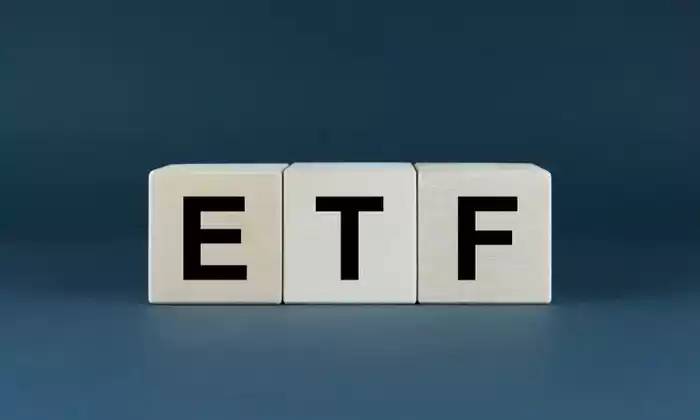
An exchange-traded fund (ETF) is a type of investment fund that tracks a basket of assets, such as stocks, bonds, or commodities. ETFs are traded on stock exchanges like stocks, and they offer investors several benefits, including diversification, liquidity, and cost-efficiency.
Yes, ETFs can pay dividends. When an ETF holds dividend-paying assets, it will distribute those dividends to its shareholders. The amount and frequency of dividend payments will vary depending on the underlying assets of the ETF.
How to Find ETFs That Pay DividendsThere are a few ways to find ETFs that pay dividends:
- Check the ETF's prospectus. The prospectus will state whether the ETF pays dividends and, if so, how often dividends are paid.
- Use an ETF screener. ETF screeners allow you to filter ETFs based on a variety of criteria, including dividend yield.
- Ask your financial advisor. A financial advisor can help you identify ETFs that meet your investment goals, including ETFs that pay dividends.
When investing in dividend-paying ETFs, there are a few factors to consider:
- Dividend yield: The dividend yield is the annual dividend payment expressed as a percentage of the ETF's current share price. A higher dividend yield means that the ETF is paying out more of its income to shareholders.
- Dividend frequency: Dividends may be paid monthly, quarterly, semi-annually, or annually. More frequent dividend payments can provide investors with a steady stream of income, but they may also come at the expense of capital appreciation.
- Expense ratio: The expense ratio is the annual fee charged by the ETF to cover its operating costs. A lower expense ratio will mean that more of your investment will be invested in the underlying assets and less will be going to fees.
ETFs can be a good way to invest in a diversified portfolio of dividend-paying assets. When selecting ETFs, it is important to consider the dividend yield, dividend frequency, and expense ratio. By understanding these factors, you can make informed decisions about which ETFs are right for you.
Disclaimer:info@kdj.com
The information provided is not trading advice. kdj.com does not assume any responsibility for any investments made based on the information provided in this article. Cryptocurrencies are highly volatile and it is highly recommended that you invest with caution after thorough research!
If you believe that the content used on this website infringes your copyright, please contact us immediately (info@kdj.com) and we will delete it promptly.






- US Unveils USDT Forfeiture Case Targeting Specific Crypto Address: What You Need to Know
- 2026-10-11 08:45:01
- Ethereum Faces Mounting Selling Pressure as ETH Dips Below 50-Day SMA, Signaling Caution for Investors
- 2026-10-11 08:45:01
- COTI Revolutionizes Privacy in Payments with Innovative New Product Suite
- 2026-10-11 08:50:02
- Thailand Unlocks Crypto ETF Access: Bitcoin and Ether ETFs Set to Debut on Stock Market
- 2026-10-11 04:30:50
- Evernorth CEO Ignites XRP Army with Nasdaq Listing and Vision for Future Finance
- 2026-10-11 04:30:50
- Tron Network Sees Explosive USDT Growth, Solidifying Stablecoin Issuance Dominance
- 2026-10-11 04:28:22
Related knowledge

What is a crypto ETF and why is it a big deal?
Nov 05,2025 at 10:20am
What Is a Crypto ETF?1. A crypto ETF, or exchange-traded fund, is an investment vehicle that tracks the price of one or more cryptocurrencies without ...
Is an ETF suitable for long-term holding?
Oct 01,2025 at 02:36am
Understanding ETFs in the Context of Cryptocurrency Investments1. Exchange-traded funds (ETFs) have gained significant traction in traditional financi...
What are ETF discounts and premiums?
Sep 29,2025 at 11:19pm
Understanding ETF Discounts and Premiums1. Exchange-traded funds (ETFs) are investment vehicles that trade on stock exchanges, much like individual st...

How do I evaluate an ETF?
Sep 22,2025 at 11:18am
Evaluating the Fundamentals of an ETF1. Examine the underlying index the ETF tracks to understand its investment focus. Whether it follows a broad mar...
What are the components of an ETF's fee structure?
Sep 30,2025 at 03:54am
Management Fees in ETFs1. Management fees, often referred to as the expense ratio, represent the primary cost investors pay for the operation of an ET...
What is ETF tracking error? How does it arise?
Sep 20,2025 at 03:18am
Understanding ETF Tracking Error in the Cryptocurrency Market1. Exchange-traded funds (ETFs) have become a significant bridge between traditional fina...
What is a crypto ETF and why is it a big deal?
Nov 05,2025 at 10:20am
What Is a Crypto ETF?1. A crypto ETF, or exchange-traded fund, is an investment vehicle that tracks the price of one or more cryptocurrencies without ...
Is an ETF suitable for long-term holding?
Oct 01,2025 at 02:36am
Understanding ETFs in the Context of Cryptocurrency Investments1. Exchange-traded funds (ETFs) have gained significant traction in traditional financi...
What are ETF discounts and premiums?
Sep 29,2025 at 11:19pm
Understanding ETF Discounts and Premiums1. Exchange-traded funds (ETFs) are investment vehicles that trade on stock exchanges, much like individual st...
How do I evaluate an ETF?
Sep 22,2025 at 11:18am
Evaluating the Fundamentals of an ETF1. Examine the underlying index the ETF tracks to understand its investment focus. Whether it follows a broad mar...
What are the components of an ETF's fee structure?
Sep 30,2025 at 03:54am
Management Fees in ETFs1. Management fees, often referred to as the expense ratio, represent the primary cost investors pay for the operation of an ET...
What is ETF tracking error? How does it arise?
Sep 20,2025 at 03:18am
Understanding ETF Tracking Error in the Cryptocurrency Market1. Exchange-traded funds (ETFs) have become a significant bridge between traditional fina...
See all articles


