













![※Urgent News※ [Ripple XRP] Ripple went wrong, insider disaster](/uploads/2026/10/11/cryptocurrencies-news/videos/origin_6acb2f925198b_image_500_375.webp "※Urgent News※ [Ripple XRP] Ripple went wrong, insider disaster")






-
 bitcoin
 $83065.760842 USD
0.56% - ethereum
$2502.987828 USD
0.47% - tether
$0.998983 USD
-0.01% - bnb
$747.892869 USD
0.04% - xrp
$1.394954 USD
-0.69% - usd-coin
$0.999851 USD
0.00% - solana
$109.643247 USD
-0.14% - tron
$0.330160 USD
-0.18% - hyperliquid
$84.910099 USD
0.71% - zcash
$1228.260896 USD
0.09% - dogecoin
$0.085342 USD
-0.89% - monero
$527.981189 USD
1.52% - chainlink
$12.890884 USD
0.15% - cardano
$0.248308 USD
-1.99% - unus-sed-leo
$8.903865 USD
1.60%










how etf invest
Before investing in an ETF, research different funds to determine their type, sector, expense ratio, tracking error, and historical performance to ensure alignment with your investment goals.
Oct 09, 2024 at 09:35 pm
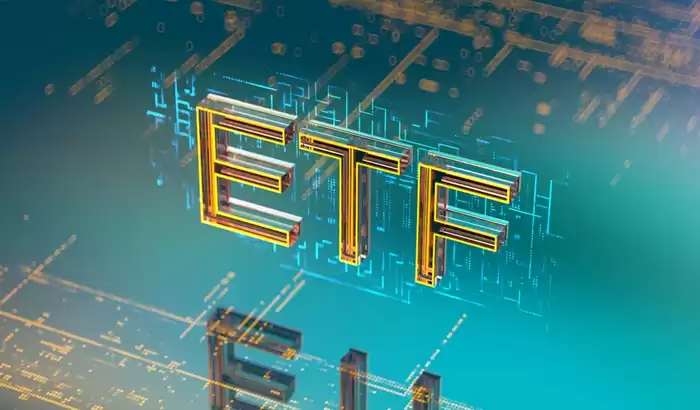
ETFs (exchange-traded funds) are investment funds that track a basket of securities, such as stocks, bonds, or commodities. They are traded on stock exchanges like individual stocks, providing investors with easy access to diversified baskets of assets.
2. Research ETFsBefore investing in an ETF, research and compare different funds that meet your investment objectives and risk tolerance. Consider:
- Type: Index tracking, sector-specific, commodity-based, etc.
- Sector: Energy, technology, healthcare, etc.
- Expense Ratio: Management and administrative costs
- Tracking Error: How closely the fund tracks its benchmark
- Historical Performance: Past returns
Select a brokerage platform that offers ETF trading and meets your trading needs. Consider factors such as:
- Commissions and Fees: Trading and account fees
- Investment Options: Range of ETFs offered
- Research and Tools: News, analysis, and screening capabilities
Create an account with your chosen brokerage and fund it with the amount you wish to invest.
5. Place an OrderTo buy an ETF, place an order through your brokerage platform. Specify the ETF ticker symbol, number of shares, and order type (e.g., market order, limit order).
6. Monitor Your InvestmentOnce you have purchased the ETF, monitor its performance regularly. Review the ETF's portfolio, tracking error, and expense ratio to ensure it continues to align with your investment goals.
Tips for ETF Investing- Diversify your Portfolio: ETFs offer instant diversification through exposure to multiple assets.
- Consider Index Tracking ETFs: These funds track broad market indexes like the S&P 500, providing exposure to the overall market.
- Use Sector-Specific ETFs: Target specific industries or sectors to align with your growth or income strategies.
- Set Trading Limits: Establish stop-loss orders or take-profit targets to manage risk and protect your gains.
- Monitor Global ETFs: Consider ETFs that invest in international stocks or bonds for exposure to diverse markets.
- Rebalance Regularly: Rebalance your portfolio periodically to maintain your desired asset allocation and risk level.
Disclaimer:info@kdj.com
The information provided is not trading advice. kdj.com does not assume any responsibility for any investments made based on the information provided in this article. Cryptocurrencies are highly volatile and it is highly recommended that you invest with caution after thorough research!
If you believe that the content used on this website infringes your copyright, please contact us immediately (info@kdj.com) and we will delete it promptly.






- Retail Investors Flock Back to Crypto: Google Searches Surge Amidst Market Volatility
- 2026-10-11 20:35:01
- Ethereum ETFs Experience Million-Dollar Exit Amid Worst Week Since January
- 2026-10-11 17:05:02
- Ether ETFs Endure Worst Week Since January Amid Broader Crypto Sell-Off
- 2026-10-11 17:10:01
- XRP Traders, Bitcoin Trader, Ledger: A New York Minute on Crypto Security and Macro Swings
- 2026-10-11 16:35:01
- CFTC Draws Line: Prediction Markets as Swaps, Casino Gambling Left to States
- 2026-10-11 16:40:01
- Bubblemaps Uncovers Potential $125K Profit for Pump.fun Influencer Amidst Scrutiny
- 2026-10-11 17:00:02
Related knowledge

What is a crypto ETF and why is it a big deal?
Nov 05,2025 at 10:20am
What Is a Crypto ETF?1. A crypto ETF, or exchange-traded fund, is an investment vehicle that tracks the price of one or more cryptocurrencies without ...
Is an ETF suitable for long-term holding?
Oct 01,2025 at 02:36am
Understanding ETFs in the Context of Cryptocurrency Investments1. Exchange-traded funds (ETFs) have gained significant traction in traditional financi...
What are ETF discounts and premiums?
Sep 29,2025 at 11:19pm
Understanding ETF Discounts and Premiums1. Exchange-traded funds (ETFs) are investment vehicles that trade on stock exchanges, much like individual st...

How do I evaluate an ETF?
Sep 22,2025 at 11:18am
Evaluating the Fundamentals of an ETF1. Examine the underlying index the ETF tracks to understand its investment focus. Whether it follows a broad mar...
What are the components of an ETF's fee structure?
Sep 30,2025 at 03:54am
Management Fees in ETFs1. Management fees, often referred to as the expense ratio, represent the primary cost investors pay for the operation of an ET...
What is ETF tracking error? How does it arise?
Sep 20,2025 at 03:18am
Understanding ETF Tracking Error in the Cryptocurrency Market1. Exchange-traded funds (ETFs) have become a significant bridge between traditional fina...
What is a crypto ETF and why is it a big deal?
Nov 05,2025 at 10:20am
What Is a Crypto ETF?1. A crypto ETF, or exchange-traded fund, is an investment vehicle that tracks the price of one or more cryptocurrencies without ...
Is an ETF suitable for long-term holding?
Oct 01,2025 at 02:36am
Understanding ETFs in the Context of Cryptocurrency Investments1. Exchange-traded funds (ETFs) have gained significant traction in traditional financi...
What are ETF discounts and premiums?
Sep 29,2025 at 11:19pm
Understanding ETF Discounts and Premiums1. Exchange-traded funds (ETFs) are investment vehicles that trade on stock exchanges, much like individual st...
How do I evaluate an ETF?
Sep 22,2025 at 11:18am
Evaluating the Fundamentals of an ETF1. Examine the underlying index the ETF tracks to understand its investment focus. Whether it follows a broad mar...
What are the components of an ETF's fee structure?
Sep 30,2025 at 03:54am
Management Fees in ETFs1. Management fees, often referred to as the expense ratio, represent the primary cost investors pay for the operation of an ET...
What is ETF tracking error? How does it arise?
Sep 20,2025 at 03:18am
Understanding ETF Tracking Error in the Cryptocurrency Market1. Exchange-traded funds (ETFs) have become a significant bridge between traditional fina...
See all articles


