













![[Multi SUB] (Full Episode) A beautiful internet celebrity never expected that the guy who was looked down upon as a good-for-nothing would turn out to be a billionaire? ! #counterattack#MiniDrama #Wonderful mainland short drama](/uploads/2026/10/12/cryptocurrencies-news/videos/origin_6acc77b37bebb_image_500_375.webp "[Multi SUB] (Full Episode) A beautiful internet celebrity never expected that the guy who was looked down upon as a good-for-nothing would turn out to be a billionaire? ! #counterattack#MiniDrama #Wonderful mainland short drama")






-
 bitcoin
 $84230.825838 USD
1.40% - ethereum
$2573.434510 USD
2.84% - tether
$0.998969 USD
0.00% - bnb
$755.115006 USD
0.97% - xrp
$1.414487 USD
1.40% - usd-coin
$0.999888 USD
0.00% - solana
$112.719414 USD
2.81% - tron
$0.331681 USD
0.46% - zcash
$1331.331394 USD
8.39% - hyperliquid
$87.827220 USD
3.43% - dogecoin
$0.087594 USD
2.64% - monero
$534.908269 USD
1.31% - chainlink
$13.421107 USD
4.11% - cardano
$0.253354 USD
2.03% - unus-sed-leo
$8.887429 USD
-0.18%










can an etf fail
Despite their diversification and liquidity benefits, certain factors such as significant asset losses, market volatility, and mismanagement can lead to the rare occurrence of an ETF's failure.
Oct 09, 2024 at 06:41 pm
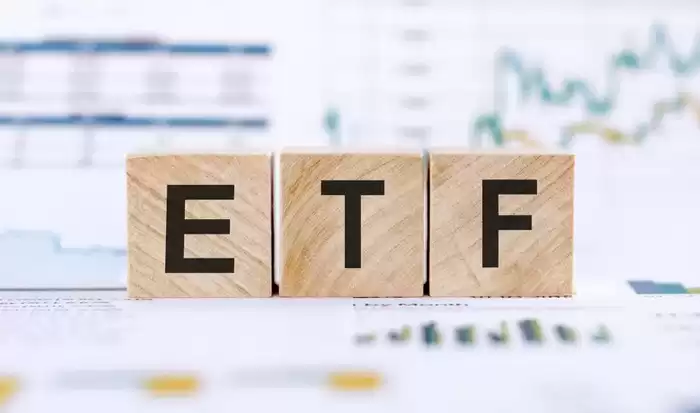
1. Understanding ETFsExchange-traded funds (ETFs) are investment instruments that track a specific index, sector, or commodity. They offer investors a diversified portfolio and provide liquidity and transparency.
2. Can an ETF Fail?Yes, an ETF can fail, although it is a rare occurrence. An ETF can fail if its underlying assets experience significant losses or if the provider decides to liquidate it.
3. Factors Contributing to ETF Failure- Poor Underlying Asset Performance: If the assets underlying an ETF lose significant value, the ETF's value will also decline, potentially leading to financial distress.
- Market Volatility: Extreme market fluctuations can cause sharp declines in the value of the ETF's assets and trigger a decline in the ETF's value.
- Managerial Mismanagement: Ineffective management, including poor investment decisions or high fees, can contribute to an ETF's failure.
- Unusual Market Conditions: Unusual events, such as pandemics or economic crises, can disrupt markets and result in an ETF's failure.
- Loss of Value: Investors in the ETF may lose a significant portion of their investment if the ETF fails.
- Market Disruption: The failure of a large or widely-traded ETF can create instability in the broader financial markets.
- Redemption Requests: Failure can lead to redemption requests from investors, which can accelerate the ETF's decline in value.
- Consistently Negative Returns: An ETF that consistently underperforms its benchmark or peers may be struggling.
- High Redemptions: A surge in investor redemptions can indicate a lack of confidence in the ETF's future.
- Low Trading Volume: Reduced trading volume can indicate decreased investor interest, which can negatively impact the ETF's liquidity.
- Warning Notices: The ETF provider may issue notices to investors warning of potential liquidation or other actions that could affect the ETF's stability.
- Diversification: Invest in multiple ETFs to reduce your risk.
- Research: Evaluate an ETF's potential risks and returns before investing.
- Avoid High-Risk ETFs: Consider ETFs with a lower risk profile and a longer track record.
- Monitor Your Investments: Regularly review the performance of your ETFs and seek professional advice if needed.
Disclaimer:info@kdj.com
The information provided is not trading advice. kdj.com does not assume any responsibility for any investments made based on the information provided in this article. Cryptocurrencies are highly volatile and it is highly recommended that you invest with caution after thorough research!
If you believe that the content used on this website infringes your copyright, please contact us immediately (info@kdj.com) and we will delete it promptly.






- Dom Kwok and XRP Army Unite Against Hacking Threats: Key Security Insights Revealed
- 2026-10-12 20:45:02
- Dollar Index: 18-Month High and Its Impact on Global Markets
- 2026-10-12 20:45:02
- ZachXBT Questions $250K XRP Bug Bounty, Standard Chartered Expands RLUSD Custody
- 2026-10-12 20:50:01
- CFTC Crypto Regulation Can Advance Under Existing Law, Pham Says, No Need to Wait for Congress
- 2026-10-12 20:50:01
- Kraken's UAE Launch: Full VARA Approval Unleashes AED Trading and Staking Power
- 2026-10-12 20:55:01
- Bybit's Bold Move: U.S. Stocks, ETFs, and the Tokenization Tidal Wave
- 2026-10-12 16:50:02
Related knowledge

What is a crypto ETF and why is it a big deal?
Nov 05,2025 at 10:20am
What Is a Crypto ETF?1. A crypto ETF, or exchange-traded fund, is an investment vehicle that tracks the price of one or more cryptocurrencies without ...
Is an ETF suitable for long-term holding?
Oct 01,2025 at 02:36am
Understanding ETFs in the Context of Cryptocurrency Investments1. Exchange-traded funds (ETFs) have gained significant traction in traditional financi...
What are ETF discounts and premiums?
Sep 29,2025 at 11:19pm
Understanding ETF Discounts and Premiums1. Exchange-traded funds (ETFs) are investment vehicles that trade on stock exchanges, much like individual st...

How do I evaluate an ETF?
Sep 22,2025 at 11:18am
Evaluating the Fundamentals of an ETF1. Examine the underlying index the ETF tracks to understand its investment focus. Whether it follows a broad mar...
What are the components of an ETF's fee structure?
Sep 30,2025 at 03:54am
Management Fees in ETFs1. Management fees, often referred to as the expense ratio, represent the primary cost investors pay for the operation of an ET...
What is ETF tracking error? How does it arise?
Sep 20,2025 at 03:18am
Understanding ETF Tracking Error in the Cryptocurrency Market1. Exchange-traded funds (ETFs) have become a significant bridge between traditional fina...
What is a crypto ETF and why is it a big deal?
Nov 05,2025 at 10:20am
What Is a Crypto ETF?1. A crypto ETF, or exchange-traded fund, is an investment vehicle that tracks the price of one or more cryptocurrencies without ...
Is an ETF suitable for long-term holding?
Oct 01,2025 at 02:36am
Understanding ETFs in the Context of Cryptocurrency Investments1. Exchange-traded funds (ETFs) have gained significant traction in traditional financi...
What are ETF discounts and premiums?
Sep 29,2025 at 11:19pm
Understanding ETF Discounts and Premiums1. Exchange-traded funds (ETFs) are investment vehicles that trade on stock exchanges, much like individual st...
How do I evaluate an ETF?
Sep 22,2025 at 11:18am
Evaluating the Fundamentals of an ETF1. Examine the underlying index the ETF tracks to understand its investment focus. Whether it follows a broad mar...
What are the components of an ETF's fee structure?
Sep 30,2025 at 03:54am
Management Fees in ETFs1. Management fees, often referred to as the expense ratio, represent the primary cost investors pay for the operation of an ET...
What is ETF tracking error? How does it arise?
Sep 20,2025 at 03:18am
Understanding ETF Tracking Error in the Cryptocurrency Market1. Exchange-traded funds (ETFs) have become a significant bridge between traditional fina...
See all articles


