

















-
 bitcoin
 $82600.285837 USD
0.18% - ethereum
$2491.373773 USD
-0.18% - tether
$0.999122 USD
-0.01% - bnb
$747.553401 USD
0.73% - xrp
$1.404757 USD
0.47% - usd-coin
$0.999879 USD
0.01% - solana
$109.815254 USD
-0.39% - tron
$0.330761 USD
-0.36% - hyperliquid
$84.316326 USD
-1.55% - zcash
$1227.112383 USD
0.23% - dogecoin
$0.086113 USD
1.03% - monero
$520.098078 USD
-4.45% - chainlink
$12.871943 USD
0.05% - cardano
$0.253341 USD
6.04% - unus-sed-leo
$8.763432 USD
-1.45%










What are the mainstream coins?
The mainstream cryptocurrency market consists of highly recognized and widely accepted coins, including the likes of Bitcoin, Ethereum, and Binance Coin, among others.
Oct 20, 2024 at 03:47 pm
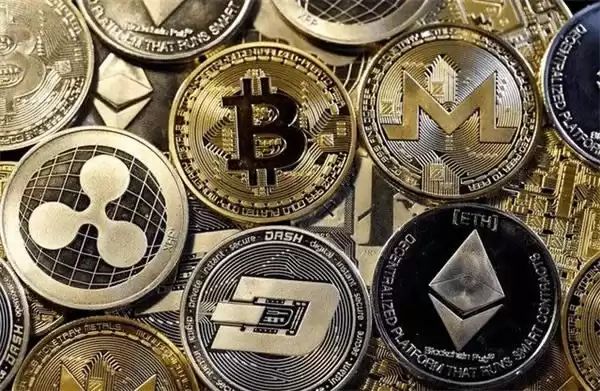
Mainstream cryptocurrencies are coins that are widely recognized, accepted, and traded in the crypto market. They typically have high market capitalization, strong liquidity, and a large user base.
Tier 1 Coins- Bitcoin (BTC): The original and most popular cryptocurrency, known for its decentralization, security, and store of value properties.
- Ethereum (ETH): The second-largest cryptocurrency, known for its blockchain technology that supports smart contracts and decentralized applications (dApps).
- Solana (SOL): A high-speed blockchain with low transaction fees and scalability, optimized for decentralized finance (DeFi) and non-fungible tokens (NFTs).
- Binance Coin (BNB): The native token of the Binance exchange, used for trading fees, staking, and participating in Binance's ecosystem.
- Ripple (XRP): A decentralized payment network designed to facilitate fast and low-cost cross-border transactions.
- Cardano (ADA): A third-generation blockchain with a focus on scalability, security, and developer friendliness.
- Polkadot (DOT): A multichain architecture that connects different blockchains and allows them to interact with each other.
- Polygon (MATIC): A scaling solution for Ethereum, designed to increase transaction throughput and reduce fees.
Tier 2 coins are smaller than Tier 1 coins but have a significant presence in the market and potential for growth.
- Litecoin (LTC): A peer-to-peer digital currency similar to Bitcoin but with faster transaction times.
- Dogecoin (DOGE): A meme cryptocurrency that gained popularity due to its humorous nature and endorsements from influential individuals.
- Shiba Inu (SHIB): Another meme cryptocurrency that has experienced significant price volatility.
- Tether (USDT): A stablecoin pegged to the US dollar, designed to maintain stability within the cryptocurrency market.
- USD Coin (USDC): Another stablecoin pegged to the US dollar, backed by real-world assets.
Tier 3 coins are typically more niche and have lower market capitalization and liquidity than Tier 1 and 2 coins.
- Chainlink (LINK): A decentralized oracle network that provides secure and reliable data feeds to smart contracts.
- Uniswap (UNI): A decentralized exchange protocol that allows users to trade cryptocurrencies without intermediaries.
- Aave (AAVE): A DeFi protocol that offers lending, borrowing, and interest-earning opportunities.
- Uniswap (UNI): A decentralized exchange protocol that allows users to trade cryptocurrencies without intermediaries.
- Axie Infinity (AXS): A play-to-earn game built on the blockchain that features collectible creatures called Axies.
Several factors contribute to a cryptocurrency's mainstream status:
- Market capitalization and liquidity: Coins with high market capitalization and liquidity ensure stability and ease of trading.
- Network effect: Widespread adoption and usage increase the coin's value and usability.
- Technological advancements: Coins with innovative features and strong fundamentals attract investor interest and market demand.
- Institutional adoption: Acceptance by financial institutions, such as investment funds and hedge funds, lends credibility to a cryptocurrency.
- Regulatory recognition: Clear regulatory frameworks and legal clarity contribute to the legitimacy and mainstream status of a cryptocurrency.
Disclaimer:info@kdj.com
The information provided is not trading advice. kdj.com does not assume any responsibility for any investments made based on the information provided in this article. Cryptocurrencies are highly volatile and it is highly recommended that you invest with caution after thorough research!
If you believe that the content used on this website infringes your copyright, please contact us immediately (info@kdj.com) and we will delete it promptly.






- US Unveils USDT Forfeiture Case Targeting Specific Crypto Address: What You Need to Know
- 2026-10-11 08:45:01
- Ethereum Faces Mounting Selling Pressure as ETH Dips Below 50-Day SMA, Signaling Caution for Investors
- 2026-10-11 08:45:01
- COTI Revolutionizes Privacy in Payments with Innovative New Product Suite
- 2026-10-11 08:50:02
- Thailand Unlocks Crypto ETF Access: Bitcoin and Ether ETFs Set to Debut on Stock Market
- 2026-10-11 04:30:50
- Evernorth CEO Ignites XRP Army with Nasdaq Listing and Vision for Future Finance
- 2026-10-11 04:30:50
- Tron Network Sees Explosive USDT Growth, Solidifying Stablecoin Issuance Dominance
- 2026-10-11 04:28:22
Related knowledge

What Is Solana SOL? A Complete Guide to Its Speed, Fees and Network Design
Sep 19,2026 at 04:39pm
Core Architecture and Consensus Innovation1. Solana employs a hybrid consensus model combining Proof of Stake (PoS) with Proof of History (PoH), a cry...

What Is Shiba Inu SHIB Used For? Understanding SHIB, Shibarium and Its Ecosystem
Sep 17,2026 at 05:59pm
Core Utility of SHIB Token1. SHIB serves as the foundational asset within the Shiba Inu ecosystem, functioning as a transferable ERC-20 token on Ether...

What Is Avalanche AVAX Used For? Understanding Staking and Avalanche Subnets
Sep 11,2026 at 07:40pm
Core Utility Functions of AVAX1. AVAX serves as the primary medium for settling transaction fees across all three native chains—X-Chain, C-Chain, and ...

What Is Cardano ADA Used For? Understanding Staking and the Cardano Ecosystem
Sep 19,2026 at 10:20am
Core Utility of ADA Tokens1. ADA serves as the native asset of the Cardano blockchain, functioning as the sole medium for settling transaction fees ac...

What Is Hyperliquid HYPE Used For? Understanding Its Token and Trading Network
Sep 12,2026 at 11:39am
Core Utility of HYPE Token1. HYPE serves as the native governance token of the Hyperliquid protocol, granting holders voting rights on critical upgrad...

What Is SUI Used For? Understanding SUI Staking and the Sui Ecosystem
Sep 11,2026 at 04:40pm
Bitcoin Halving Mechanics1. Bitcoin’s protocol enforces a fixed issuance schedule where block rewards are cut in half approximately every 210,000 bloc...
What Is Solana SOL? A Complete Guide to Its Speed, Fees and Network Design
Sep 19,2026 at 04:39pm
Core Architecture and Consensus Innovation1. Solana employs a hybrid consensus model combining Proof of Stake (PoS) with Proof of History (PoH), a cry...
What Is Shiba Inu SHIB Used For? Understanding SHIB, Shibarium and Its Ecosystem
Sep 17,2026 at 05:59pm
Core Utility of SHIB Token1. SHIB serves as the foundational asset within the Shiba Inu ecosystem, functioning as a transferable ERC-20 token on Ether...
What Is Avalanche AVAX Used For? Understanding Staking and Avalanche Subnets
Sep 11,2026 at 07:40pm
Core Utility Functions of AVAX1. AVAX serves as the primary medium for settling transaction fees across all three native chains—X-Chain, C-Chain, and ...
What Is Cardano ADA Used For? Understanding Staking and the Cardano Ecosystem
Sep 19,2026 at 10:20am
Core Utility of ADA Tokens1. ADA serves as the native asset of the Cardano blockchain, functioning as the sole medium for settling transaction fees ac...
What Is Hyperliquid HYPE Used For? Understanding Its Token and Trading Network
Sep 12,2026 at 11:39am
Core Utility of HYPE Token1. HYPE serves as the native governance token of the Hyperliquid protocol, granting holders voting rights on critical upgrad...
What Is SUI Used For? Understanding SUI Staking and the Sui Ecosystem
Sep 11,2026 at 04:40pm
Bitcoin Halving Mechanics1. Bitcoin’s protocol enforces a fixed issuance schedule where block rewards are cut in half approximately every 210,000 bloc...
See all articles


