














-
 bitcoin
 $84060.134384 USD
-2.66% - ethereum
$2682.919462 USD
-2.37% - tether
$0.999755 USD
-0.01% - bnb
$772.118581 USD
-2.23% - xrp
$1.498201 USD
-7.59% - usd-coin
$0.999784 USD
-0.02% - solana
$114.735776 USD
-3.37% - tron
$0.343446 USD
-0.11% - zcash
$1514.757840 USD
-6.65% - hyperliquid
$92.360649 USD
-4.93% - dogecoin
$0.094120 USD
-7.59% - monero
$559.635589 USD
-2.05% - chainlink
$12.384065 USD
-4.86% - cardano
$0.240287 USD
-6.77% - unus-sed-leo
$8.996503 USD
0.12%











how to explain ethereum
Ethereum, a decentralized blockchain platform, provides a foundation for decentralized applications (dApps) that are resistant to censorship, offer enhanced security through smart contracts, and promote transparency and programmability.
Oct 17, 2024 at 07:24 pm
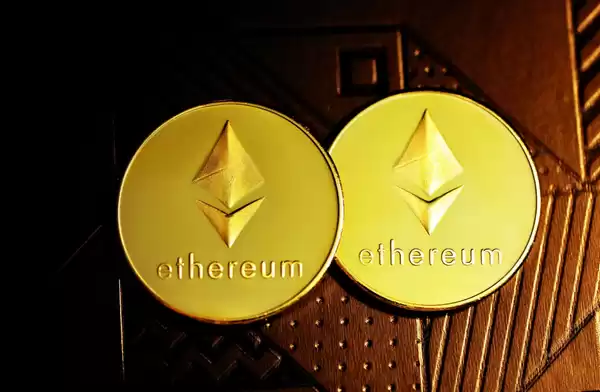
Understanding Ethereum: A Comprehensive Guide
1. What is Ethereum?
Ethereum is a decentralized open-source blockchain platform that utilizes smart contracts and provides a foundation for decentralized applications (dApps). It allows developers to build and deploy decentralized applications without relying on a centralized authority.
2. Key Concepts
- Smart Contracts: Reusable self-executing programs that facilitate reliable transactions based on predefined conditions.
- Ether (ETH): Ethereum's native cryptocurrency used to pay for transaction fees and execution of smart contracts.
- Ethereum Virtual Machine (EVM): A virtual machine that runs smart contracts on the Ethereum blockchain.
- Gas: A unit of measurement for the computational effort used by smart contracts, paid for in ETH.
3. Ethereum's Architecture
- Blockchain: A secure, distributed ledger that records transactions chronologically and transparently.
- Nodes: Computers that verify, process, and add transactions to the blockchain.
- Consensus Mechanism: A process called "Proof-of-Work" where miners compete to solve complex mathematical problems to validate transactions and secure the network.
4. Benefits of Ethereum
- Decentralization: Eliminates the need for centralized authorities, making applications resistant to censorship and manipulation.
- Security: Smart contracts are immutable and secured by cryptography, protecting them from unauthorized alterations.
- Transparency: Transactions and smart contract executions are publicly visible on the blockchain, promoting accountability and trust.
- Programmability: Smart contracts allow developers to create custom logic that automates processes, reduces risk, and increases efficiency.
5. Use Cases of Ethereum
- Decentralized Finance (DeFi): Provides alternatives to traditional financial services such as lending, borrowing, and trading.
- Non-Fungible Tokens (NFTs): Unique digital assets used to represent ownership and authenticity of art, collectibles, and other items.
- Supply Chain Management: Tracks goods and materials throughout the supply chain, ensuring transparency and provenance.
- Gaming: Enables the creation of decentralized games where players own and control their assets.
- Identity Management: Develops secure and verifiable digital identities for online transactions and interactions.
6. Future of Ethereum
- Ethereum 2.0: A significant upgrade focused on improving scalability, security, and energy efficiency.
- Proof-of-Stake (PoS): A consensus mechanism that replaces Proof-of-Work, reducing energy consumption and making validators more accessible.
- Sharding: A technique that will split the Ethereum network into multiple smaller parallel chains, increasing transaction throughput.
Conclusion
Ethereum is a transformative technology that has the potential to revolutionize various industries by enabling decentralized, secure, and transparent applications. Its versatility and programmability make it a powerful tool for developers and an innovative solution for a wide range of challenges. With continuous updates and advancements, Ethereum's future remains bright, promising further innovation and adoption.
Disclaimer:info@kdj.com
The information provided is not trading advice. kdj.com does not assume any responsibility for any investments made based on the information provided in this article. Cryptocurrencies are highly volatile and it is highly recommended that you invest with caution after thorough research!
If you believe that the content used on this website infringes your copyright, please contact us immediately (info@kdj.com) and we will delete it promptly.






- Pepeto vs. The Giants: Unveiling the Next 100x Crypto Amidst ADA and CRO's Steady Climb
- 2026-09-24 08:35:01
- Bittensor Price Prediction Soars 20% as Pepeto Presale Captures Early Investor Attention
- 2026-09-24 08:45:02
- Pepeto, XRP, and SHIB: Navigating the Next Wave in Crypto's Dynamic Landscape
- 2026-09-24 04:55:01
- MoonPay Acquires North Capital, Bolstering Private Markets Infrastructure for Tokenized Assets
- 2026-09-24 04:55:01
- Blockchain.com and NYSE Forge Ahead in Tokenized Securities with Global 24/7 Trading Vision
- 2026-09-24 05:00:01
- Circle's Stablecoin Chain, USDC, and Stablecoin Chain Dynamics: A New Era Dawns
- 2026-09-24 05:00:01
Related knowledge

What Is Solana SOL? A Complete Guide to Its Speed, Fees and Network Design
Sep 19,2026 at 04:39pm
Core Architecture and Consensus Innovation1. Solana employs a hybrid consensus model combining Proof of Stake (PoS) with Proof of History (PoH), a cry...

What Is Shiba Inu SHIB Used For? Understanding SHIB, Shibarium and Its Ecosystem
Sep 17,2026 at 05:59pm
Core Utility of SHIB Token1. SHIB serves as the foundational asset within the Shiba Inu ecosystem, functioning as a transferable ERC-20 token on Ether...

What Is Avalanche AVAX Used For? Understanding Staking and Avalanche Subnets
Sep 11,2026 at 07:40pm
Core Utility Functions of AVAX1. AVAX serves as the primary medium for settling transaction fees across all three native chains—X-Chain, C-Chain, and ...

What Is Cardano ADA Used For? Understanding Staking and the Cardano Ecosystem
Sep 19,2026 at 10:20am
Core Utility of ADA Tokens1. ADA serves as the native asset of the Cardano blockchain, functioning as the sole medium for settling transaction fees ac...

What Is Hyperliquid HYPE Used For? Understanding Its Token and Trading Network
Sep 12,2026 at 11:39am
Core Utility of HYPE Token1. HYPE serves as the native governance token of the Hyperliquid protocol, granting holders voting rights on critical upgrad...

What Is SUI Used For? Understanding SUI Staking and the Sui Ecosystem
Sep 11,2026 at 04:40pm
Bitcoin Halving Mechanics1. Bitcoin’s protocol enforces a fixed issuance schedule where block rewards are cut in half approximately every 210,000 bloc...
What Is Solana SOL? A Complete Guide to Its Speed, Fees and Network Design
Sep 19,2026 at 04:39pm
Core Architecture and Consensus Innovation1. Solana employs a hybrid consensus model combining Proof of Stake (PoS) with Proof of History (PoH), a cry...
What Is Shiba Inu SHIB Used For? Understanding SHIB, Shibarium and Its Ecosystem
Sep 17,2026 at 05:59pm
Core Utility of SHIB Token1. SHIB serves as the foundational asset within the Shiba Inu ecosystem, functioning as a transferable ERC-20 token on Ether...
What Is Avalanche AVAX Used For? Understanding Staking and Avalanche Subnets
Sep 11,2026 at 07:40pm
Core Utility Functions of AVAX1. AVAX serves as the primary medium for settling transaction fees across all three native chains—X-Chain, C-Chain, and ...
What Is Cardano ADA Used For? Understanding Staking and the Cardano Ecosystem
Sep 19,2026 at 10:20am
Core Utility of ADA Tokens1. ADA serves as the native asset of the Cardano blockchain, functioning as the sole medium for settling transaction fees ac...
What Is Hyperliquid HYPE Used For? Understanding Its Token and Trading Network
Sep 12,2026 at 11:39am
Core Utility of HYPE Token1. HYPE serves as the native governance token of the Hyperliquid protocol, granting holders voting rights on critical upgrad...
What Is SUI Used For? Understanding SUI Staking and the Sui Ecosystem
Sep 11,2026 at 04:40pm
Bitcoin Halving Mechanics1. Bitcoin’s protocol enforces a fixed issuance schedule where block rewards are cut in half approximately every 210,000 bloc...
See all articles


