


















-
 bitcoin
 $84601.256748 USD
-1.54% - ethereum
$2680.045919 USD
-1.83% - tether
$0.999799 USD
0.02% - bnb
$765.659472 USD
-1.46% - xrp
$1.484295 USD
-2.59% - usd-coin
$1.000001 USD
0.01% - solana
$119.409013 USD
-1.77% - tron
$0.335266 USD
0.34% - zcash
$1313.312697 USD
-4.71% - hyperliquid
$88.243793 USD
-2.05% - dogecoin
$0.092898 USD
-3.10% - chainlink
$14.023636 USD
-2.57% - monero
$548.524996 USD
-0.09% - cardano
$0.244976 USD
-3.69% - unus-sed-leo
$9.010974 USD
0.46%










how is ethereum deflationary
EIP-1559, implemented on Ethereum in 2021, introduces a deflationary element by burning base fees, reducing the total ETH supply during periods of high network activity.
Oct 22, 2024 at 02:30 am
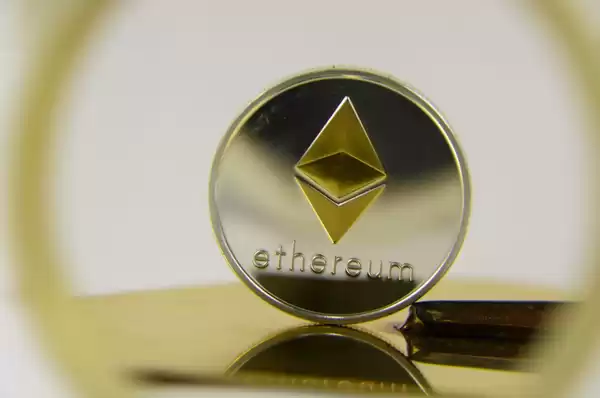
Ethereum, the second-largest cryptocurrency by market capitalization, implemented EIP-1559 (Ethereum Improvement Proposal 1559) on August 5, 2021, introducing significant changes to its fee structure and introducing a deflationary element to the network.
1. Base Fees and Priority FeesPrior to EIP-1559, Ethereum transaction fees were entirely determined by network demand and the gas price set by users. EIP-1559 introduced a two-tiered fee model:
- Base Fee (theEIP1559basefee): Calculated dynamically based on network congestion, effectively serving as a minimum fee required for transaction confirmation.
- Priority Fee (theEIP1559feetip): An optional fee set by users to expedite the processing of their transactions during peak demand.
A key feature of EIP-1559 is the burning of the base fees. Instead of distributing them to miners like traditional transaction fees, base fees are permanently removed from circulation, effectively reducing the total supply of ETH. This burning mechanism introduces a deflationary element to Ethereum.
3. Transaction Fee EstimationEIP-1559 provides a more reliable and predictable fee structure by introducing a new component called the "effective gas price." This price represents the sum of the base fee and the priority fee, allowing users to estimate transaction costs with greater accuracy.
Impact on DeflationThe burning of base fees contributes to Ethereum's deflationary nature by reducing the total supply of ETH. This is in contrast to Bitcoin, where the supply is predetermined and fixed, and transaction fees are typically distributed to miners, resulting in an inflationary effect over time.
By burning base fees, EIP-1559 creates scenarios where Ethereum's supply decreases during periods of high network activity. As a result, the circulating supply of ETH can decrease, potentially leading to an increase in its value.
LimitationsWhile EIP-1559 promotes deflation, its impact on the price of ETH is not guaranteed and can be influenced by various factors, including network demand, adoption, and macroeconomic conditions. The deflationary effect may be mitigated during periods of low network activity, when there are fewer base fees to burn.
ConclusionThe implementation of EIP-1559 on the Ethereum network has introduced a novel approach to fee management and transaction confirmation. The burning of base fees creates a deflationary element, where the total supply of ETH decreases during periods of high network activity. This mechanism adds a layer of complexity and predictability to Ethereum's fee structure, offering users a more informed decision-making process regarding transaction fees.
Disclaimer:info@kdj.com
The information provided is not trading advice. kdj.com does not assume any responsibility for any investments made based on the information provided in this article. Cryptocurrencies are highly volatile and it is highly recommended that you invest with caution after thorough research!
If you believe that the content used on this website infringes your copyright, please contact us immediately (info@kdj.com) and we will delete it promptly.






- ZEC Spot ETF Faces Hefty $93.56M Outflows: A Closer Look at Market Dynamics
- 2026-10-03 16:30:09
- Bitcoin Braces for Fed's Decision: Crypto Market Navigates Interest Rate Hikes and Inflation Data
- 2026-10-03 16:30:09
- SlowMist Uncovers FlashLoopAdapter Flaw Draining Safe Wallets: A Wake-Up Call for DeFi Integrations
- 2026-10-03 08:50:01
- Ethereum Layer-2 Faces Asset Move Deadline as Blast Announces Shutdown
- 2026-10-03 08:55:02
- Ethereum Layer 2 Blast Shuts Down: Network Winds Down Amidst Unsustainable Economics
- 2026-10-03 08:45:01
- SEC Unlocks Triple Threat: 3x Bitcoin, Ethereum, and Commodity ETPs Get the Green Light
- 2026-10-03 08:45:01
Related knowledge

What Is Solana SOL? A Complete Guide to Its Speed, Fees and Network Design
Sep 19,2026 at 04:39pm
Core Architecture and Consensus Innovation1. Solana employs a hybrid consensus model combining Proof of Stake (PoS) with Proof of History (PoH), a cry...

What Is Shiba Inu SHIB Used For? Understanding SHIB, Shibarium and Its Ecosystem
Sep 17,2026 at 05:59pm
Core Utility of SHIB Token1. SHIB serves as the foundational asset within the Shiba Inu ecosystem, functioning as a transferable ERC-20 token on Ether...

What Is Avalanche AVAX Used For? Understanding Staking and Avalanche Subnets
Sep 11,2026 at 07:40pm
Core Utility Functions of AVAX1. AVAX serves as the primary medium for settling transaction fees across all three native chains—X-Chain, C-Chain, and ...

What Is Cardano ADA Used For? Understanding Staking and the Cardano Ecosystem
Sep 19,2026 at 10:20am
Core Utility of ADA Tokens1. ADA serves as the native asset of the Cardano blockchain, functioning as the sole medium for settling transaction fees ac...

What Is Hyperliquid HYPE Used For? Understanding Its Token and Trading Network
Sep 12,2026 at 11:39am
Core Utility of HYPE Token1. HYPE serves as the native governance token of the Hyperliquid protocol, granting holders voting rights on critical upgrad...

What Is SUI Used For? Understanding SUI Staking and the Sui Ecosystem
Sep 11,2026 at 04:40pm
Bitcoin Halving Mechanics1. Bitcoin’s protocol enforces a fixed issuance schedule where block rewards are cut in half approximately every 210,000 bloc...
What Is Solana SOL? A Complete Guide to Its Speed, Fees and Network Design
Sep 19,2026 at 04:39pm
Core Architecture and Consensus Innovation1. Solana employs a hybrid consensus model combining Proof of Stake (PoS) with Proof of History (PoH), a cry...
What Is Shiba Inu SHIB Used For? Understanding SHIB, Shibarium and Its Ecosystem
Sep 17,2026 at 05:59pm
Core Utility of SHIB Token1. SHIB serves as the foundational asset within the Shiba Inu ecosystem, functioning as a transferable ERC-20 token on Ether...
What Is Avalanche AVAX Used For? Understanding Staking and Avalanche Subnets
Sep 11,2026 at 07:40pm
Core Utility Functions of AVAX1. AVAX serves as the primary medium for settling transaction fees across all three native chains—X-Chain, C-Chain, and ...
What Is Cardano ADA Used For? Understanding Staking and the Cardano Ecosystem
Sep 19,2026 at 10:20am
Core Utility of ADA Tokens1. ADA serves as the native asset of the Cardano blockchain, functioning as the sole medium for settling transaction fees ac...
What Is Hyperliquid HYPE Used For? Understanding Its Token and Trading Network
Sep 12,2026 at 11:39am
Core Utility of HYPE Token1. HYPE serves as the native governance token of the Hyperliquid protocol, granting holders voting rights on critical upgrad...
What Is SUI Used For? Understanding SUI Staking and the Sui Ecosystem
Sep 11,2026 at 04:40pm
Bitcoin Halving Mechanics1. Bitcoin’s protocol enforces a fixed issuance schedule where block rewards are cut in half approximately every 210,000 bloc...
See all articles


